Event Types / Sponsorship Activation Services in Atlanta GA
Sponsorship Activation Services in Atlanta GA
Strategic sponsorship activation services open up maximum brand impact across Atlanta's diverse convention zones, from the busy downtown cluster at Georgia World Congress Center and AmericasMart to airport-adjacent facilities like Georgia International Convention Center, ensuring smooth coordination for sponsors targeting high-traffic events.
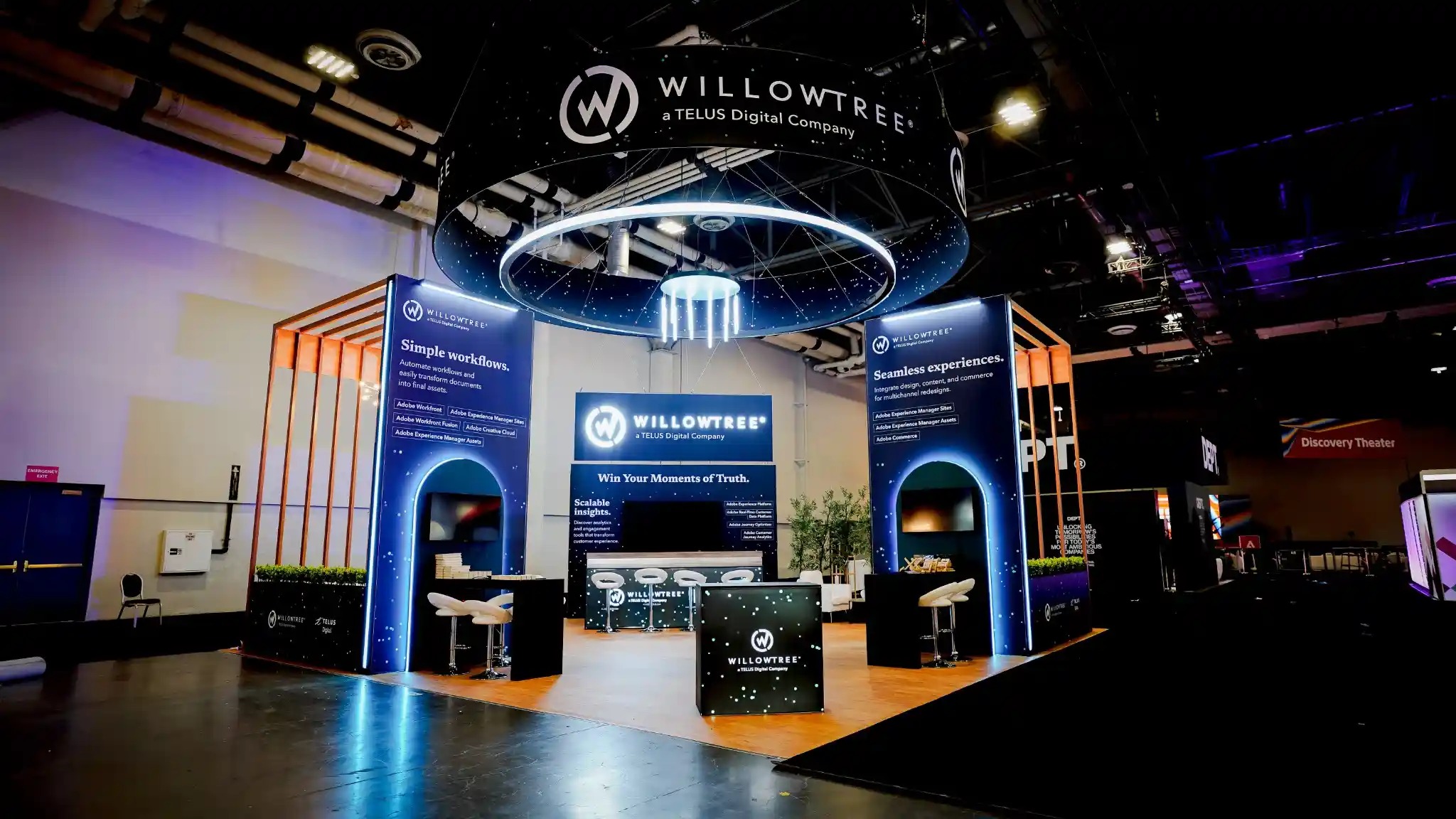
Mastering Downtown Atlanta's Convention Cluster for Sponsor Impact
The downtown Atlanta cluster, led by Georgia World Congress Center, Centennial Olympic Park, and AmericasMart Atlanta, forms the backbone of sponsorship activation opportunities, where massive exhibit halls and interconnected public spaces enable brands to deploy large-format experiences that capture diverse attendee demographics during peak convention seasons. At Georgia World Congress Center, activations can utilize expansive floor plans for immersive sponsor pavilions integrated into trade show layouts, coordinating setups that align with the venue's rigorous load-in schedules and proximity to Centennial Olympic Park for spillover outdoor engagements like branded lounges or photo activations that extend visibility beyond indoor confines. AmericasMart's multi-building campus further enhances this zone's appeal, supporting market-week activations where sponsors coordinate showroom-adjacent pop-ups to intercept wholesale buyers navigating the permanent showrooms and temporary exhibits.
Coordination in this flagship area emphasizes smooth transitions between venues, such as shuttling activations from Georgia World Congress Center's hall exhibits to Centennial Olympic Park's event plazas, where open-air formats allow for weather-resilient, high-engagement tactics like interactive product demos or live performances that draw crowds from adjacent conventions. Planners map these flows meticulously, accounting for pedestrian pathways, security perimeters, and peak-hour congestions to ensure sponsor assets remain accessible and performant, turning the zone's density into a multiplier for brand exposure rather than a logistical hurdle. This approach has proven essential for activations at events blending convention exhibits with public festivals, maximizing reach across Atlanta's deepest cluster of buyer and spectator demand.
Beyond spatial strategies, downtown activations benefit from pre-coordinated utility hookups and rigging approvals at Georgia World Congress Center, paired with AmericasMart's showroom lighting specs, enabling tech-heavy experiences like AR-enhanced sponsor booths or digital signage networks that sync across venues. By focusing on these operational specifics, coordinators deliver activations that not only fit the zone's scale but also adapt to its event rhythm, from multi-day trade shows to one-off market surges, ensuring sponsors achieve sustained visibility amid the competitive downtown environment.
Sustained success here relies on iterative zone mapping, where historical data from past conventions informs placement decisions, such as positioning activations near high-dwell areas in Centennial Olympic Park or buyer traffic chokepoints at AmericasMart, fostering organic interactions that elevate sponsor ROI through prolonged engagements.
Leveraging Airport Corridor Venues for Fly-In Activation Efficiency
Atlanta's airport and College Park corridor, featuring Georgia International Convention Center and Gateway Center Arena, caters to sponsorship activations optimized for transient fly-in audiences, where proximity to ATL SkyTrain and Hartsfield-Jackson Airport streamlines logistics for quick-turn events demanding minimal setup windows and maximum convenience. At Georgia International Convention Center, coordinators blueprint activations within the venue's versatile floor plans, positioning sponsor experiences in high-visibility lobbies or exhibit spaces that intercept arriving delegates, incorporating elements like self-service tech stations or branded refreshment hubs that align with the facility's focus on efficient, airport-adjacent programming. Gateway Center Arena complements this with its sports-entertainment vibe, enabling activations that blend event sidelines with arena concourses for energetic, shareable moments during conferences or hybrid gatherings.
The corridor's strength lies in its accessibility, allowing activations to emphasize portability and rapid deployment, such as modular display units at GICC that comply with getting-here protocols via SkyTrain, ensuring sponsors connect with jet-lagged yet decision-ready attendees without downtown travel delays. Planners orchestrate these to capitalize on the area's fast-turn meeting dynamics, coordinating power drops, AV integrations, and flow controls that keep experiences fluid amid convention bursts, turning the zone's convenience into a competitive edge for brands targeting national associations or corporate roadshows.
Integration between GICC's convention halls and Gateway Center Arena's arena spaces opens hybrid activation potentials, like pre-event tailgates or post-session networking zones, all mapped to attendee pipelines from airport terminals. This zone-specific coordination mitigates common pitfalls of fly-in events, such as compressed timelines, by pre-vetting floor plans and adjacency options, delivering sponsor impacts that resonate in a high-mobility context.
Performance in this corridor hinges on metrics like immediate lead captures and social shares, with activations designed for instant gratification to match the audience's on the Go mindset.
Expanding Reach in Suburban Convention Zones
Suburban Atlanta venues like Cobb Convention Center and the Duluth/Gwinnett corridor's Gas South Convention Center extend sponsorship activation horizons beyond urban cores, accommodating corporate, regional trade shows, and community events with ballroom-centric layouts that favor intimate, scalable experiences. Cobb Convention Center's northwest submarket positioning supports activations tailored to association meetings and regional expos, where coordinators align sponsor elements with ballroom divisions and pre-function areas, ensuring smooth integration into programs that draw local business networks without the scale pressures of downtown counterparts.
In the northeast, Gas South Convention Center captures similar demand, enabling activations that leverage its expo hall flexibility for mid-sized sponsor villages, coordinated around community event calendars to maximize regional attendance. These zones demand strategies attuned to suburban access patterns, such as parking adjacencies and shuttle routes, allowing brands to deploy grounded, relationship-focused experiences like workshop integrations or VIP receptions that build lasting connections in less transient settings.
Cross-zone coordination links these facilities to core Atlanta events, such as overflow activations from Georgia World Congress Center routed to Cobb for extended programming, with planners handling permit variances and scale adjustments to maintain consistency. This peripheral focus diversifies sponsor portfolios, tapping demand outside flagship venues while adhering to each site's operational rhythms.
Suburban activations excel through localized relevance, with custom flows that enhance ballroom utility and expo expansions.
Phased Planning for Sponsorship Activation Excellence
Sponsorship activation planning unfolds in structured phases tailored to Atlanta's venue diversity, beginning with objective alignment where sponsor goals sync to zone potentials—like high-volume demos at Georgia World Congress Center or targeted intercepts at Georgia International Convention Center—followed by detailed site surveys virtualized across clusters to preempt layout conflicts. This discovery phase incorporates floor plan analyses from GICC planners' resources and GWCC guides, mapping activation footprints to traffic models and ensuring compliance with venue-specific rigging and utility standards.
Conceptualization refines these into experiential blueprints, iterating designs for modularity across downtown's scale and suburbs' intimacy, with mockups tested against attendee personas derived from convention profiles. Execution planning then layers logistics, coordinating timelines that stagger load-ins at AmericasMart with park activations at Centennial Olympic Park, mitigating overlaps in Atlanta's congested event calendar.
Monitoring and optimization phases embed real-time dashboards, adjusting based on live metrics from arena flows at Gateway Center or exhibit dwell times at Cobb, culminating in debriefs that refine future activations. This phased rigor ensures adaptability across Atlanta's four zones.
Each phase builds contingencies, like weather protocols for park-adjacent work or SkyTrain delays at airport venues.
Logistical Synchronization Across Atlanta's Event Zones
Logistical coordination for sponsorship activations demands a panoramic view of Atlanta's zones, synchronizing timelines from Georgia World Congress Center's multi-hall load-ins to Gas South's suburban setups, with centralized tracking that harmonizes vendor interfaces, permitting sequences, and asset transports without localized dependencies. Downtown's interconnected venues require phased handoffs, such as GWCC exhibit installs flowing into Centennial Olympic Park exteriors, all calibrated to shared security protocols and peak-hour windows.
Airport corridor logistics prioritize velocity, aligning GICC floor plans with SkyTrain arrivals for Just in Time activations, while Gateway Center Arena demands arena-event cadences that sync with sports calendars. Suburban extensions at Cobb involve regional routing optimizations, ensuring activations arrive primed for ballroom reveals amid association schedules.
Cross-zone tech stacks unify AV, lighting, and data captures, enabling sponsor dashboards that aggregate insights from all areas, turning fragmented executions into cohesive campaigns.
This synchronization scales effortlessly, from single-venue pops to multi-cluster tours.
Quantifying Success in Sponsorship Activations
Measuring sponsorship activation efficacy in Atlanta ties directly to zone dynamics, deploying KPIs like engagement rates at Centennial Olympic Park's open spaces versus conversion funnels in AmericasMart's buyer paths, with tools capturing dwell times, interactions, and leads via integrated RFID or app beacons compliant with GWCC privacy standards. Airport venues emphasize velocity metrics, tracking SkyTrain-proximal impressions at GICC against post-event follows, while suburban Cobb activations focus on relationship depth through follow-up surveys.
Holistic frameworks aggregate these, benchmarking against historical zone data to ROI-model future scales, such as correlating park activations with convention overflows or arena buzz with fly-in spikes. Coordinators deliver these insights promptly, empowering sponsors to iterate.
Advanced attribution layers video analytics and heat maps tailored to venue flows, revealing optimization paths like repositioning at Gateway Center concourses.
This data-centric close loop elevates activations from tactical to strategic assets.
Smooth Integration with Atlanta's Broader Event Ecosystem
Sponsorship activations amplify when woven into Atlanta's event fabric, coordinating with trade shows at GWCC, conferences at GICC, and corporate programs at Cobb to create symbiotic experiences where sponsor elements enhance overall programming. Downtown's cluster synergy, for instance, links AmericasMart markets to Centennial festivals, positioning activations as connective tissue.
Airport and suburban zones extend this, syncing fly-in roadshows with regional expos for portfolio continuity. Planners forecast these integrations via calendar overlays, ensuring activations complement rather than compete.
Long-term, this builds sponsor equity across Atlanta's zones, fostering repeat engagements.
Questions
Frequently asked questions
Direct answers on timing, field leadership, and venue coordination for this Atlanta scope.
How do sponsorship activations differ across Atlanta's convention zones?
Downtown zones like Georgia World Congress Center emphasize large-scale exhibits and park extensions, airport corridors at GICC focus on quick fly-in setups via SkyTrain, and suburban venues like Cobb prioritize intimate ballroom integrations, with coordination adapting to each area's demand profile.
What planning phases are involved in Atlanta sponsorship activations?
Phases include objective alignment, site-specific blueprinting using venue floor plans, execution logistics across zones, and performance measurement with zone-tailored KPIs like dwell times at Centennial Olympic Park or leads at AmericasMart.
Can activations span multiple Atlanta venues?
Yes, turnkey coordination synchronizes elements from GWCC halls to GICC lobbies and Cobb ballrooms, managing timelines, permits, and flows for multi-zone campaigns.
How are logistics handled for airport-adjacent activations?
Leveraging ATL SkyTrain access at Georgia International Convention Center and Gateway Center Arena, logistics prioritize modular, rapid deployments with pre-vetted floor plans for efficient fly-in events.
What metrics evaluate activation success in Atlanta?
Zone-specific KPIs track engagements in downtown clusters, velocity in airport areas, and relationship depth in suburbs, aggregated via dashboards for comprehensive ROI analysis.
How do activations integrate with trade shows and conferences?
Activations enhance core programming at venues like AmericasMart and Gas South by aligning sponsor experiences with attendee flows, from exhibit adjacencies to networking extensions.
Related links