Locations / Midtown Atlanta GA Trade Show Stand Planning and Custom Exhibit Design
Midtown Atlanta GA Trade Show Stand Planning and Custom Exhibit Design
Midtown Atlanta occupies a pivotal district position in the city's four-zone trade show framework, offering exhibitors strategic proximity to the downtown flagship cluster led by the Georgia World Congress Center, Centennial Olympic Park, and AmericasMart.
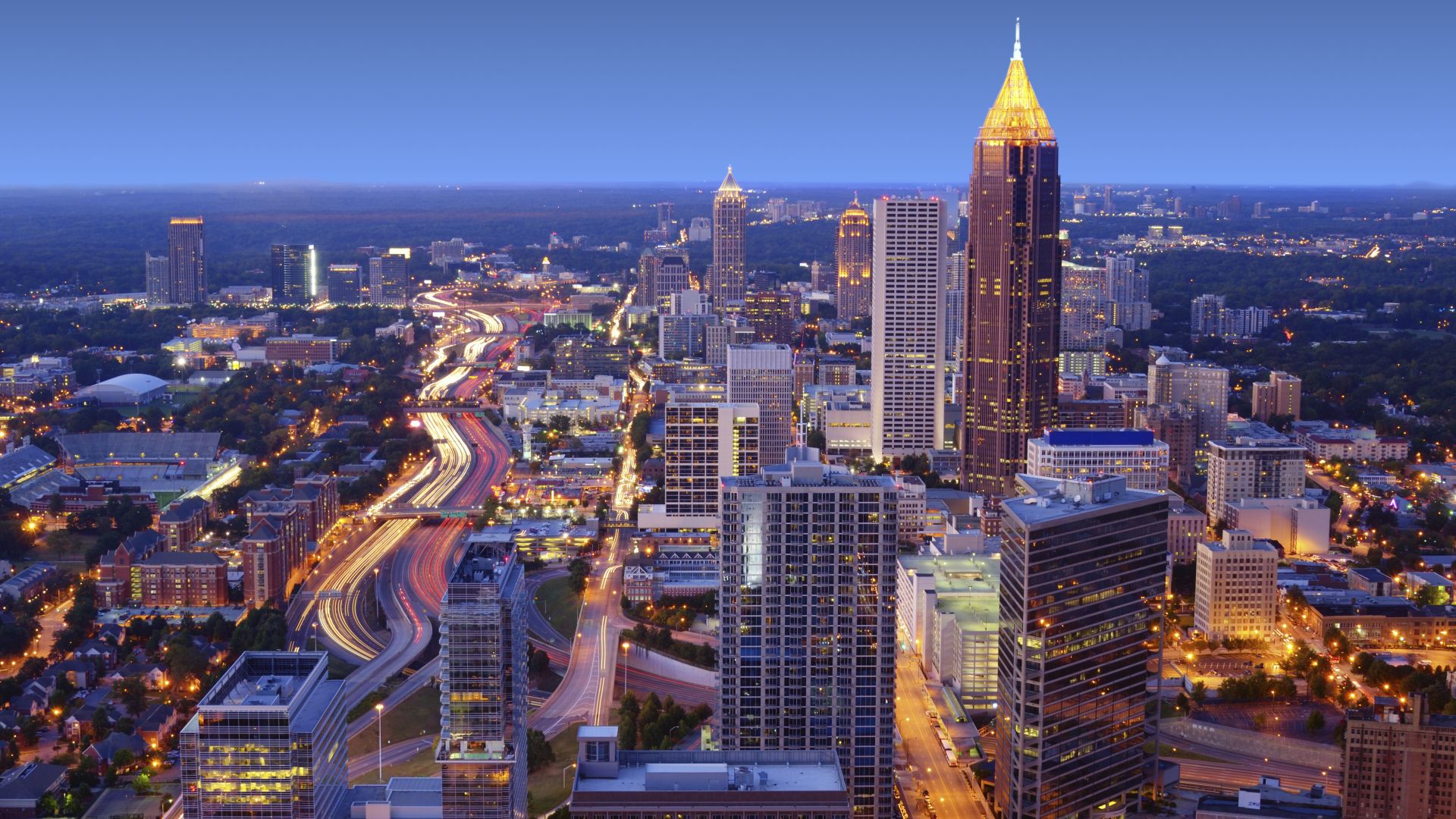
Midtown Atlanta Within the Four-Zone Trade Show Framework
Atlanta trade show demand distributes across four distinct operational zones rather than concentrating in any single area. Downtown Atlanta serves as the flagship convention zone due to the combined pull of the Georgia World Congress Center, Centennial Olympic Park, and AmericasMart, which together generate the highest density of exhibit, activation, and buyer-showroom activity. Midtown Atlanta sits directly adjacent to this core cluster, creating natural advantages for planning that leverages downtown momentum while addressing the district's own business and cultural rhythms.
The airport and College Park corridor emphasizes fly-in convenience through facilities positioned around ATL SkyTrain access. Northwest suburban venues in the Cumberland and Cobb submarket capture corporate and association events outside the urban core. Northeast corridors including Duluth and Gwinnett host community and regional programming at centers such as Gas South. Effective Midtown planning integrates these realities by developing exhibit solutions capable of performing across zone boundaries rather than treating each in isolation.
This zonal awareness drives nuanced decisions around scale, materials, and reconfiguration potential. Exhibits destined for Midtown-adjacent events must balance the expansive requirements of downtown convention floors with the more targeted needs of suburban or airport-proximate shows. Such differentiation at the district level prevents oversimplified strategies and supports programs grounded in the actual geography and demand patterns of the Atlanta market.
Flagship Venues and Their Influence on Midtown Planning
The Georgia World Congress Center remains central to downtown Atlanta's convention identity, with its scale and infrastructure supporting events that demand sophisticated, high-impact displays. Planning for these halls from a Midtown perspective involves accounting for large attendee volumes, elevated ceiling heights, and complex load-in logistics that characterize flagship facilities. Complementary spaces at Centennial Olympic Park introduce opportunities for outdoor or hybrid activations that extend brand presence beyond indoor booth footprints.
AmericasMart Atlanta adds another layer through its focus on wholesale markets and seasonal buyer events, where exhibits often function in both temporary and semi-permanent capacities. These showroom-oriented applications require designs that maintain visual coherence over repeated use while appealing to specialized industry audiences in categories such as home furnishings, apparel, and gifts. Midtown's proximity allows planners to treat these venues as an integrated cluster rather than disparate destinations.
Airport-adjacent venues including the Georgia International Convention Center and Gateway Center Arena further expand the planning matrix. Their emphasis on accessibility for national and international travelers favors compact, rapidly deployable formats that minimize on-site complexity. Coordination resources help synthesize these varying technical and audience requirements into unified exhibit programs that preserve brand integrity across the full spectrum of Atlanta venues.
Custom Fabrication Strategies Suited to Midtown Demographics
Demand for Atlanta stand builders tilts toward fabrication capabilities and purpose-built exhibit formats instead of rental-first solutions. In Midtown, this translates into designs that capture the district's contemporary business aesthetic through clean architectural lines, integrated digital elements, and materials conveying innovation. Custom construction provides control over every dimension, enabling precise alignment with specific booth footprints documented in venue planning guides while differentiating against competitive displays.
Modularity emerges as a key operational advantage when programs span multiple zones. A core structure developed for a GWCC show can incorporate interchangeable components that adapt to smaller suburban footprints or airport venue constraints. This approach maximizes investment by reducing redundant production costs across the regional event calendar. Fabrication also supports advanced features such as interactive technology and sustainable construction methods that resonate with Midtown's progressive corporate and creative communities.
Attention to detail extends beyond appearance to functional performance. Weight considerations for transport between districts, durability for multi-day use, and compliance with venue-specific regulations all factor into successful planning. These operational nuances distinguish authoritative Midtown resources from generic providers, ensuring exhibits not only look appropriate but function reliably within the documented Atlanta market structure.
The resulting stands communicate brand sophistication in environments where decision-makers expect elevated experiences. Whether supporting product launches at major conventions or targeted networking at district-specific events, custom fabrication allows tailoring that generic options cannot achieve.
Coordinating Programs Across Atlanta's Operational Corridors
Midtown Atlanta planning routinely incorporates participation in events distributed throughout the four zones. Downtown flagship shows provide primary visibility, yet airport corridor gatherings at the Georgia International Convention Center attract different national audiences prioritizing convenience. Cobb and Gwinnett suburban venues draw corporate and community participants whose expectations differ from urban convention crowds. Structured coordination frameworks address these variations systematically.
Timeline development represents a foundational element. Early alignment of design approval, fabrication milestones, shipping windows, and venue-specific setup requirements prevents last-minute complications across dispersed locations. This process draws on documented venue planning materials to anticipate technical needs ranging from electrical specifications at the GWCC to load-in procedures at suburban centers.
Brand consistency receives equal priority. Core messaging and visual language remain intact while allowing modifications that respond to each zone's audience profile. An exhibit successful in the downtown cluster might emphasize different interactive elements when redeployed for a Gwinnett community event. Such adaptability extends the value of initial custom investment across the full Atlanta market.
District Differentiation and Midtown-Specific Considerations
Midtown Atlanta presents a distinct profile compared to Downtown, Buckhead, West Midtown, or Old Fourth Ward. Its concentration of corporate offices, design agencies, technology firms, and cultural venues creates demand for exhibits that blend professional credibility with creative expression. Planning therefore examines how traffic patterns, attendee dwell time, and engagement preferences differ from neighboring districts to inform more targeted display strategies.
Proximity to MARTA lines and major arteries influences practical decisions around portability and rapid reconfiguration. Exhibitors often move between Midtown hotels, downtown convention floors, and suburban venues within short timeframes. Designs that facilitate efficient breakdown and transport without sacrificing impact deliver measurable operational advantages in this environment.
Compared with Sandy Springs or Brookhaven locations further north, Midtown events frequently combine business development with networking among creative professionals. This suggests hybrid booth layouts featuring both demonstration areas and collaborative meeting spaces. Recognizing these district-level nuances prevents reliance on standardized templates and supports solutions grounded in actual Atlanta market dynamics.
Timeline Management and Operational Best Practices
Successful Midtown exhibit programs depend on disciplined timeline management that begins months before show dates. Integration of venue floor plans, such as those available from the Georgia World Congress Center, allows accurate space planning and prevents costly on-site adjustments. Fabrication schedules must accommodate shipping realities across the metro region's varied corridors.
Material selection forms another critical operational focus. Choices balance visual goals with practical factors including weight for transport, durability across multiple setups, and compliance with industry standards. For AmericasMart events, additional consideration goes to how temporary displays complement permanent showroom aesthetics during recurring market weeks.
Post-event evaluation closes the planning loop. Documented outcomes from one show inform refinements for subsequent events in different zones, whether at the Gateway Center Arena or suburban facilities. This iterative process builds increasingly sophisticated programs that align with the documented evolution of Atlanta trade show demand.
Throughout, emphasis remains on turnkey planning that spans convention centers, market campuses, airport venues, and suburban expo facilities. The approach positions exhibitors to compete effectively regardless of specific district or venue within the broader Atlanta ecosystem.
Extending Midtown Strategies to Complementary Metro Areas
While centered on Midtown, comprehensive planning frequently incorporates nearby recommended locations including Buckhead, Sandy Springs, Duluth, Marietta, Alpharetta, College Park, and Decatur. Each contributes distinct demand drivers to the regional calendar. Buckhead emphasizes upscale corporate events, while Duluth and Lawrenceville capture northeast suburban activity. Airport-proximate cities like College Park and East Point align with fly-in convenience.
This broader view enables campaigns that deploy core custom elements across multiple sites, maximizing return on fabrication investment. An exhibit optimized for Midtown-adjacent downtown shows can be reconfigured for Cobb County conventions or Gwinnett community events with minimal additional cost. Planning resources map these relationships to support efficient multi-location execution.
The resulting metropolitan approach avoids treating any single district in isolation. Instead, it leverages the full documented network of Atlanta venues and submarkets. Exhibitors gain flexibility to respond to opportunities wherever they arise within the primary and secondary recommended locations surrounding Midtown.
Questions
Frequently asked questions
Direct answers on timing, field leadership, and venue coordination for this Atlanta scope.
How does Midtown Atlanta fit into the city's overall trade show zones?
Midtown serves as a primary district adjacent to the downtown flagship zone containing the Georgia World Congress Center, Centennial Olympic Park, and AmericasMart. This positioning supports planning that bridges downtown density with the airport, Cobb, and Gwinnett corridors that make up Atlanta's four practical operating zones.
Why focus on custom fabrication rather than rentals for Midtown events?
Atlanta stand builder demand favors fabrication capabilities that create unique, venue-specific exhibits. Custom solutions enable precise adaptation to Midtown's professional demographics, modular reconfiguration across zones, and superior brand differentiation compared to standard rental inventories.
Which major venues influence planning for Midtown Atlanta exhibitors?
Key facilities include the Georgia World Congress Center for large-scale conventions, AmericasMart for market events, Centennial Olympic Park for activations, the Georgia International Convention Center for airport-adjacent shows, and suburban centers in Cobb and Gwinnett corridors.
What operational details matter most in Midtown exhibit coordination?
Timeline alignment with venue schedules, material selections balancing impact and transport efficiency, modular designs for multi-zone use, and integration of technical specifications from facilities like the GWCC all contribute to predictable outcomes across Atlanta's diverse event landscape.
How should exhibitors approach multi-zone campaigns from Midtown?
Develop adaptable core structures with zone-specific modifications, maintain consistent brand messaging, and construct timelines that account for the distinct characteristics of downtown flagship, airport, northwest suburban, and northeast regional venues.
What distinguishes Midtown planning from other Atlanta districts?
Midtown's concentration of corporate, media, and creative businesses calls for sophisticated hybrid exhibits that support both demonstration and collaboration. Its transit connectivity and proximity to downtown create unique logistical considerations compared with Buckhead, Decatur, or Sandy Springs.
Related links