Services / Trade Show Installation and Dismantle Coordination in Atlanta
Trade Show Installation and Dismantle Coordination in Atlanta
Expert coordination ensures smooth exhibit setup and teardown across Atlanta's key convention zones, from the busy halls of the Georgia World Congress Center to the expansive facilities at Gas South Convention Center.
Pre-Installation Logistics and Site Preparation
Before crews arrive at venues like Georgia World Congress Center or Cobb Convention Center, coordinators conduct thorough reviews of floor plans and service manuals to plot optimal booth footprints and access routes. This involves cross-referencing exhibit manifests with hall capacities, ensuring that modular components for island or peninsula displays fit within load-bearing limits and aisle setbacks. In downtown Atlanta's dense cluster, where AmericasMart Atlanta runs parallel market-week programming, pre-installation includes advance freight coordination to stage materials in designated marshaling yards, avoiding congestion from overlapping supplier deliveries.
Site preparation extends to utility hookups and rigging assessments, particularly critical in multipurpose spaces like Centennial Olympic Park that blend indoor exhibits with outdoor activations. Coordinators verify power distributions, carpet laying sequences, and hanging sign placements against venue grids, preempting issues like voltage mismatches or overhead clearance restrictions. For airport venues such as Georgia International Convention Center, this phase incorporates SkyTrain-adjacent loading protocols, streamlining Just in Time arrivals for fly-in conferences.
On-Site Installation Execution Across Venue Zones
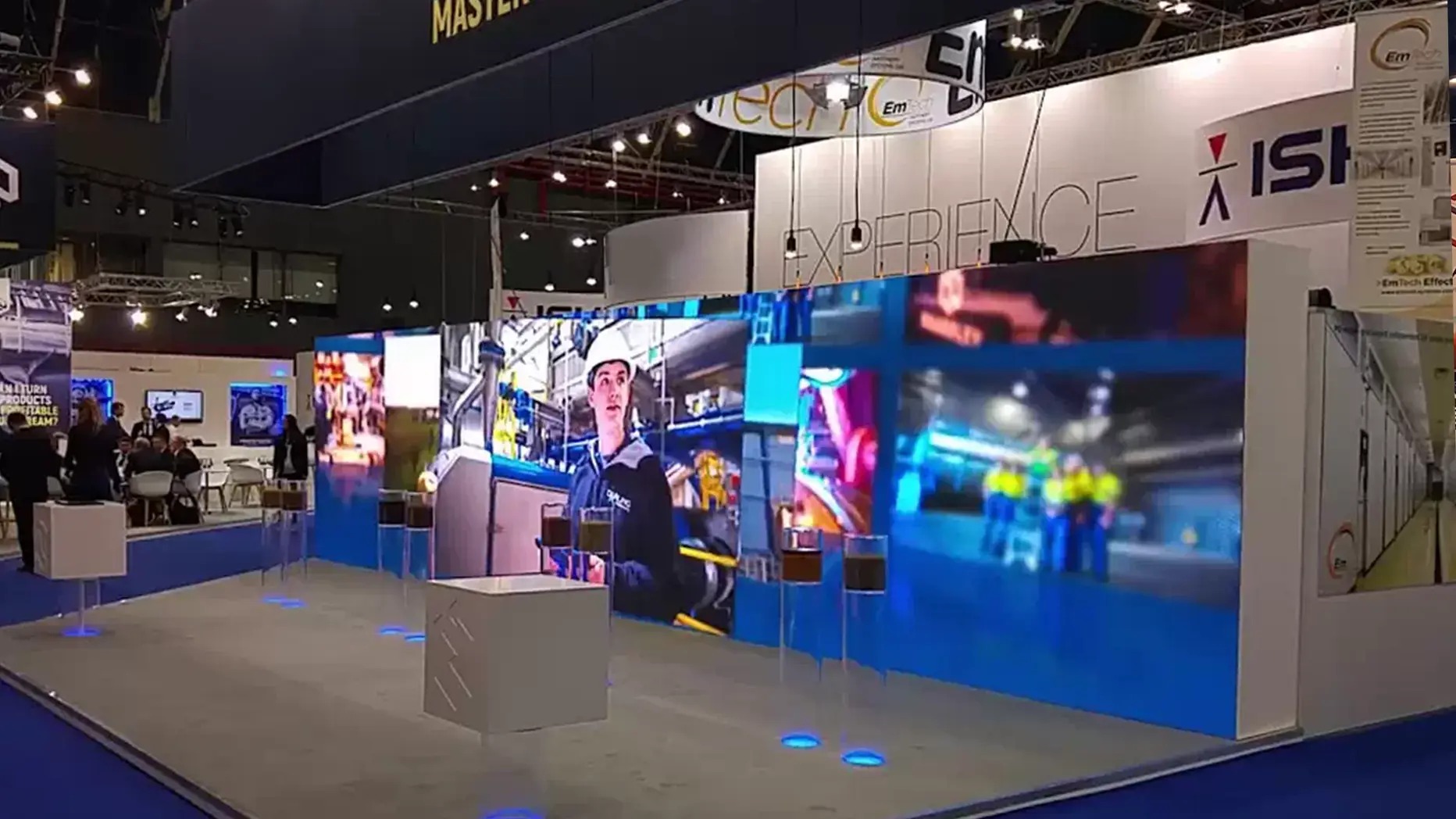
Installation unfolds in phases synchronized to each zone's operational cadence, starting with rough framing in the expansive halls of Georgia World Congress Center, where teams erect skeletal frameworks before cladding and graphics application. Downtown's high-stakes environment demands rapid progression to free up space for neighboring builds, with coordinators monitoring progress against show-open timelines that often span 24-48 hours for linear booths up to 40-foot islands. This execution emphasizes modular snapping systems for speed, ensuring plumb alignment under venue lighting rigs.
Suburban and airport sites like Gas South Convention Center and Gateway Center Arena at College Park allow for more flexible pacing due to lower concurrent densities, yet require adaptations for arena-style flooring transitions and elevated humidity controls. Coordinators deploy tiered supervision—lead installers overseeing specialized tasks like tension fabric installs or LED wall mounts—while maintaining real-time logs for accountability. Integration testing follows structural completion, confirming interactive elements function amid ambient noise from adjacent sessions.
Downtown Atlanta Venue-Specific Adaptations
The flagship downtown cluster—Georgia World Congress Center, Centennial Olympic Park, and AmericasMart Atlanta—presents unique installation challenges due to its role in hosting large-scale conventions and buyer showrooms. At GWCC, crews navigate multi-hall configurations with dedicated freight elevators and service corridors, assembling exhibits that must withstand pedestrian surges during peak hours. Coordinators prioritize seismic bracing for taller structures and coordinate with park-side activations that spill into Olympic green spaces, ensuring smooth visual continuity.
AmericasMart's permanent showroom integration demands precise matching of temporary installs to fixed infrastructure, with dismantle planning baked in from day one to protect underlying fixtures. Centennial Olympic Park setups blend exhibit pods with event staging, requiring weatherproofing consultations and rapid anchor points for outdoor elements. These adaptations hinge on advance liaison with venue operations teams to lock in service windows amid the zone's year-round programming intensity.
Airport and Suburban Venue Coordination
Georgia International Convention Center and Gateway Center Arena at College Park leverage airport proximity for expedited installs, where coordinators align with SkyTrain timetables to ferry components from off-site storage directly to docks. This corridor suits fast-turn meetings, with installation focusing on lightweight, wheeled modulars that assemble in under eight hours, minimizing labor exposure in transit-heavy zones. Dismantle here emphasizes swift palletizing for outbound hauls, syncing with flight schedules for next-market deployments.
Further afield, Cobb Convention Center and Gas South Convention Center in Cumberland/Cobb and Duluth/Gwinnett corridors host corporate and regional shows with ballroom-hybrid layouts. Installations account for divisible walls and carpeted perimeters, deploying ballast systems for freestanding towers without floor penetrations. Coordinators scale efforts to venue footprints—1,000-seat ballrooms versus 100,000 Square Foot expos—ensuring dismantle crews clear by noon on move-out days to enable resets for evening receptions.
Dismantle Procedures and Asset Recovery
Dismantle reverses installation logic with deconstruction sequencing that safeguards components, beginning at venues like AmericasMart with graphics removal to prevent adhesive residues on showroom surfaces. In Georgia World Congress Center's high-volume halls, teams work backward from utilities disconnects, collapsing frameworks in envelopes that match inbound packaging for damage-free outbound. Coordinators enforce timed sweeps—typically four to six hours for standard booths—to vacate spaces promptly, coordinating with cleaning crews for zero-trace handoffs.
Airport sites demand accelerated paces, with Gateway Center Arena teardowns prioritizing AV derigging before flooring roll-ups, all palletized for SkyTrain efficiency. Suburban venues allow methodical packing, but still require inventory audits to confirm 100% recovery of rented elements like truss or barriers. This phase includes condition reporting, flagging wear for refurbishment, ensuring assets cycle smoothly into future Atlanta deployments or national tours.
Risk Mitigation and Compliance Integration
Throughout installation and dismantle, risk frameworks address Atlanta's venue variances, from GWCC's fire marshal walkthroughs mandating egress clearances to GICC's aviation security overlays. Coordinators implement daily safety huddles, PPE escalations for elevated work, and contingency kits for common disruptions like power flickers in Centennial Park hybrids. Compliance logging captures inspections, from OSHA-aligned rigging certs to local permitting for outdoor stakes.
Insurance alignments cover transit to teardown, with venue-specific riders for high-value installs at Cobb or Gas South. Proactive measures like weather monitoring for park events and traffic advisories for downtown docks prevent cascading delays, preserving schedules across zones.
Smooth Handoff to Project Management
Installation and dismantle coordination dovetails with overarching services, feeding completion certs into show management for activation handoffs at AmericasMart or GWCC. Post-dismantle reports detail variances—labor overages from tight windows or savings from suburban flex—and inform bid refinements for repeat Atlanta clients. This closed-loop approach positions exhibitors for scalable programs, whether single-zone hits or multi-venue circuits.
Integration ensures dismantle insights refine future preps, like pre-cutting cables for GICC's quick-turn needs, fostering efficiency gains over serial events in Atlanta's dynamic landscape.
Questions
Frequently asked questions
Direct answers on timing, field leadership, and venue coordination for this Atlanta scope.
How do installation timelines vary by Atlanta venue?
Downtown sites like Georgia World Congress Center typically allow 24-48 hour move-ins for complex builds, while airport venues such as Georgia International Convention Center prioritize eight-hour setups for fly-in efficiency, and suburban centers like Cobb offer flexible 12-24 hour windows based on event scale.
What safety measures are standard in dismantle processes?
Procedures include sequenced de-rigging to maintain stability, full PPE enforcement, and venue-mandated egress checks, with special protocols for high-traffic zones like Centennial Olympic Park to protect public access during teardowns.
Can installation handle custom or modular exhibits across zones?
Yes, coordination adapts modular snapping and custom framing to hall grids at AmericasMart or Gas South, ensuring fit within aisle rules and load specs regardless of downtown density or suburban openness.
How is freight managed post-dismantle?
Components are repackaged in original configurations, consolidated at venue docks, and scheduled for outbound via zone-specific routes—SkyTrain for airport, highways for Cobb—to minimize holding costs.
What role does pre-planning play in avoiding delays?
Advance mapping of floor plans, utility plots, and access routes preempts issues, with zone-tailored staging like GWCC marshaling yards preventing overlaps in high-density downtown operations.
How does this service integrate with EAC or GCC workflows?
Smooth handoffs align labor with exhibitor-appointed or general contractor directives, sharing logs and certs to maintain unified timelines across Atlanta's venue clusters.
Related links