Industries / Technology Trade Show Services Atlanta GA - Exhibit Planning Coordination
Technology Trade Show Services Atlanta GA - Exhibit Planning Coordination
Coordinate standout technology exhibits across Atlanta's dynamic convention zones, from the expansive halls of the Georgia World Congress Center to the accessible facilities of the Georgia International Convention Center, ensuring your brand captures attention in high-stakes tech gatherings.
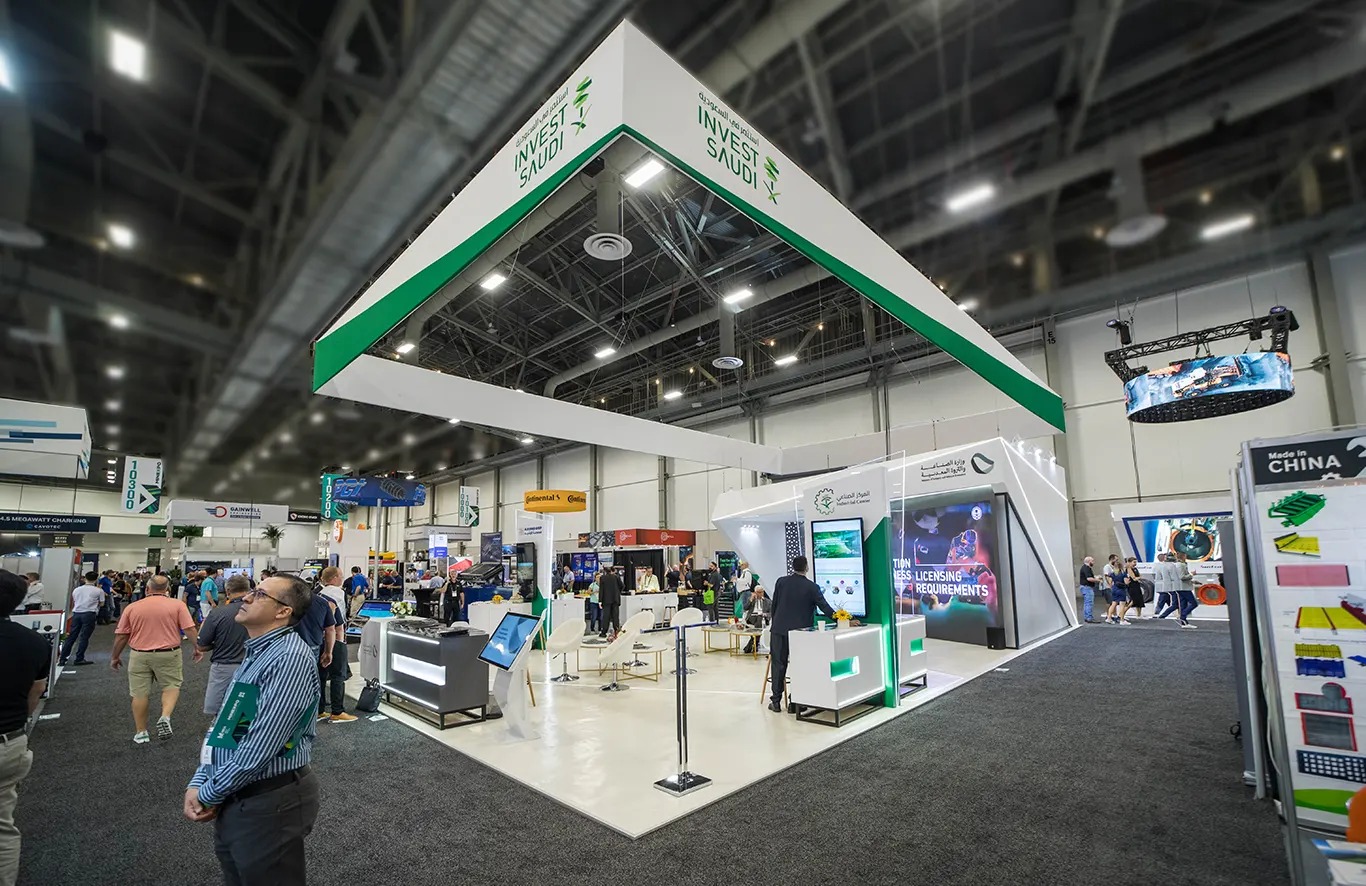
Downtown Atlanta Venues for Flagship Technology Expos
The downtown Atlanta zone, encompassing the Georgia World Congress Center, Centennial Olympic Park, and AmericasMart Atlanta, forms the epicenter of large-scale technology trade shows where flagship exhibits demand robust planning to handle intense foot traffic and multi-hall sprawl. GWCC's infrastructure supports expansive conventions with dedicated exhibit spaces that accommodate towering tech installations, intricate cabling for live demos, and integrated AV setups, requiring coordinators to preemptively map load-in sequences around peak convention overlaps and Olympic Park-adjacent activations that spill into public viewing areas for amplified brand exposure.
Centennial Olympic Park enhances this cluster by enabling hybrid indoor-outdoor technology showcases, where exhibits transition from GWCC halls to park activations, drawing casual passersby alongside credentialed attendees during major tech gatherings; planning here involves synchronizing weather-resilient elements with security perimeters and MARTA access points to maximize dwell time around interactive kiosks or AR experiences central to tech narratives.
AmericasMart Atlanta complements these with its market-week cadence, ideal for technology firms targeting B2B showroom interactions, where booth designs must navigate multi-building layouts, temporary wall systems, and high-volume buyer traffic, ensuring modular components facilitate quick reconfigurations between appointment cycles while adhering to the venue's stringent material handling guidelines.
Airport Corridor Facilities for Fly-In Tech Conferences
The airport and College Park corridor, highlighted by the Georgia International Convention Center and Gateway Center Arena, caters to technology trade shows emphasizing national draw and rapid delegate turnover, positioned explicitly for ATL SkyTrain convenience that streamlines fly-in access from Hartsfield-Jackson. GICC's floor plans support mid-sized tech conferences with flexible exhibit halls that prioritize demo-heavy booths, where planning coordinates drayage paths from SkyTrain platforms to assembly zones, minimizing jet-lag disruptions for Out of State exhibitors unveiling software platforms or hardware prototypes.
Gateway Center Arena adds a dynamic layer with its sports-adjacent vibe, suitable for tech events blending keynotes, exhibits, and networking receptions, where booth coordination factors in arena concourse flows and event-day overlaps, crafting stands that double as photo ops amid high-energy atmospheres to boost social shares for emerging tech brands.
This zone's strength lies in fast-turn meeting programs, prompting exhibit strategies that emphasize lightweight, wheeled modulars for swift setups post-airport arrivals, integrated with on-site power for uninterrupted VR simulations or data viz walls that resonate in conference settings.
Northwest Suburban Options at Cobb Convention Center
Cobb Convention Center in the Cumberland and Cobb submarket serves technology trade shows oriented toward corporate clients and regional associations, offering ballroom-driven flexibility that suits mid-tier exhibits blending seminars with hands-on tech trials. Planning here revolves around northwest Atlanta's accessibility for regional attendees, coordinating booth builds that utilize the venue's divisible halls for segmented experiences like cybersecurity workshops adjacent to endpoint device demos, ensuring fluid transitions between sessions without disrupting exhibit integrity.
The center's corporate event focus demands stands engineered for repeated modularity, accommodating sponsor activations or partner pavilions within tighter footprints compared to downtown behemoths, with emphasis on acoustic isolation for audio-rich tech pitches and ergonomic layouts that facilitate prolonged booth-side consultations typical in enterprise sales cycles.
Suburban positioning allows for extended load-in windows outside downtown rushes, enabling intricate fabrications like tension grids for LED arrays or recessed flooring for sensor integrations, all calibrated to Cobb's service elevator capacities and freight door specs.
Northeast Gwinnett Corridor for Community Tech Events
The Duluth and Gwinnett corridor, led by Gas South Convention Center, captures technology trade shows with community and association flavors, where exhibits must resonate in expansive yet approachable spaces designed for regional innovation showcases. This zone's venues facilitate diverse programming from startup pitch fairs to established vendor expos, requiring booth planning that scales interactive elements like touchscreens and robotics displays to match attendance swells during multi-day formats.
Gas South's layout supports hybrid tech gatherings with arena linkages, prompting coordinated designs that extend exhibit narratives into adjacent programming, such as live-streamed panels feeding into booth traffic for deeper engagements with IoT solutions or AI platforms, all while navigating the corridor's highway access for efficient peripheral shipments.
Planning emphasizes durable, reusable formats resilient to higher community turnover, with reinforced structures for hands-on trials and visibility hierarchies that prioritize messaging amid casual footfall patterns distinct from downtown's professional intensity.
Cross-Zone Logistics Coordination for Technology Stands
Navigating Atlanta's four zones requires integrated logistics planning that unifies timelines across downtown's high-density ops, airport fly-in rhythms, Cobb's corporate steadiness, and Gwinnett's regional pulses, ensuring technology exhibits arrive sequenced for venue-specific freight windows and assembly crews. For instance, pre-staging components off-site allows synchronized drops at GWCC during pre-convention lulls, while GICC benefits from SkyTrain-aligned Just in Time deliveries that bypass airport congestion.
Exhibit handlers must calibrate shipping manifests to each cluster's drayage realities—AmericasMart's multi-building hauls versus Cobb's compact service yards—incorporating tech-specific needs like climate-controlled transport for prototypes or sequenced power-ups for synchronized AV rollouts, preventing cascading delays in multi-venue show rotations.
Holistic oversight extends to load-out protocols, where modular breakdowns facilitate rapid clears at high-turnover spots like Gateway Arena, freeing assets for redeployment to Gas South follow-ups, maximizing asset utilization in Atlanta's year-round tech calendar.
Fabrication Formats Tailored to Tech Exhibit Demands
Technology trade shows favor fabrication approaches that prioritize adaptability, with truss-based frameworks at GWCC enabling suspended monitors for panoramic data viz, contrasted against AmericasMart's tension fabric systems for lightweight showroom elegance that withstands daily reopens. Planners specify materials like powder-coated aluminum extrusions for durability in Centennial Park's exposure variables, ensuring UV resistance and quick-field repairs during extended activations.
Interactive tech elements demand precision joinery for recessed ports accommodating cabling bundles or haptic feedback units, calibrated to venue power grids—GWCC's high-amp provisions versus Cobb's zoned outlets—while GICC's conference scales call for collapsible pods that ship flat for SkyTrain efficiency.
Gas South and Gateway formats lean toward hybrid millwork with integrated tech bays, where planning anticipates association budgets by blending rental cores with custom overlays, fostering scalable narratives from booth to plenary extensions across Atlanta's venue spectrum.
Activation Strategies Enhancing Tech Booth Impact
Effective activations in Atlanta's zones amplify technology messaging, such as GWCC hall immersives with motion-tracked projections drawing convention crowds, or Centennial Park pop-ups blending QR-linked apps with physical prototypes for viral shareability. Coordination ensures these align with venue security, like timed access for live coding sessions amid Olympic Park footfall.
Airport venues like GICC thrive on fly-in activations with badge-scan gamification leading to demo queues, planned around SkyTrain pulses to capture jet-fresh energy, while Cobb's corporate setups favor lounge integrations for RFP discussions, with booth perimeters fostering unhurried VR tours.
Suburban Gas South activations harness community vibes through collaborative maker spaces within exhibits, extending to arena afterparties, all under planning that sequences lighting cues and content loops to peak attendee densities unique to each corridor.
Questions
Frequently asked questions
Direct answers on timing, field leadership, and venue coordination for this Atlanta scope.
Which Atlanta venues are optimal for large technology trade shows?
The Georgia World Congress Center, Centennial Olympic Park, and AmericasMart Atlanta in downtown excel for flagship tech expos due to their capacity for expansive exhibits, public activations, and market-week support.
How does the airport corridor benefit tech exhibitors?
Georgia International Convention Center and Gateway Center Arena provide ATL SkyTrain access and fly-in convenience, ideal for national conferences with fast-turn logistics and demo-focused halls.
What role do suburban venues play in tech events?
Cobb Convention Center handles corporate and regional trade shows with ballroom flexibility, while Gas South Convention Center in Gwinnett supports association gatherings and community activations.
How to plan exhibits across multiple Atlanta zones?
Turnkey coordination aligns booth designs with each zone's load-in protocols, power specs, and audience dynamics, from downtown clusters to suburban facilities.
What fabrication considerations apply to tech booths?
Modular truss systems, tension fabrics, and interactive bays tailored to venue ceilings, shipping constraints, and demo requirements ensure scalability and reliability.
Why emphasize downtown for technology market weeks?
AmericasMart's showroom infrastructure and buyer traffic rhythms suit B2B tech interactions, with planning focused on quick-reconfig modulars.
Related links