Industries / Industrial Trade Show Services in Atlanta
Industrial Trade Show Services in Atlanta
Atlanta stands as a pivotal hub for industrial trade shows, where exhibitors showcase heavy machinery, process equipment, and manufacturing innovations across a network of convention centers and expo facilities strategically positioned in downtown clusters, airport corridors, and suburban zones to accommodate diverse event scales and logistics demands.
Downtown Atlanta Venues for Flagship Industrial Exhibits
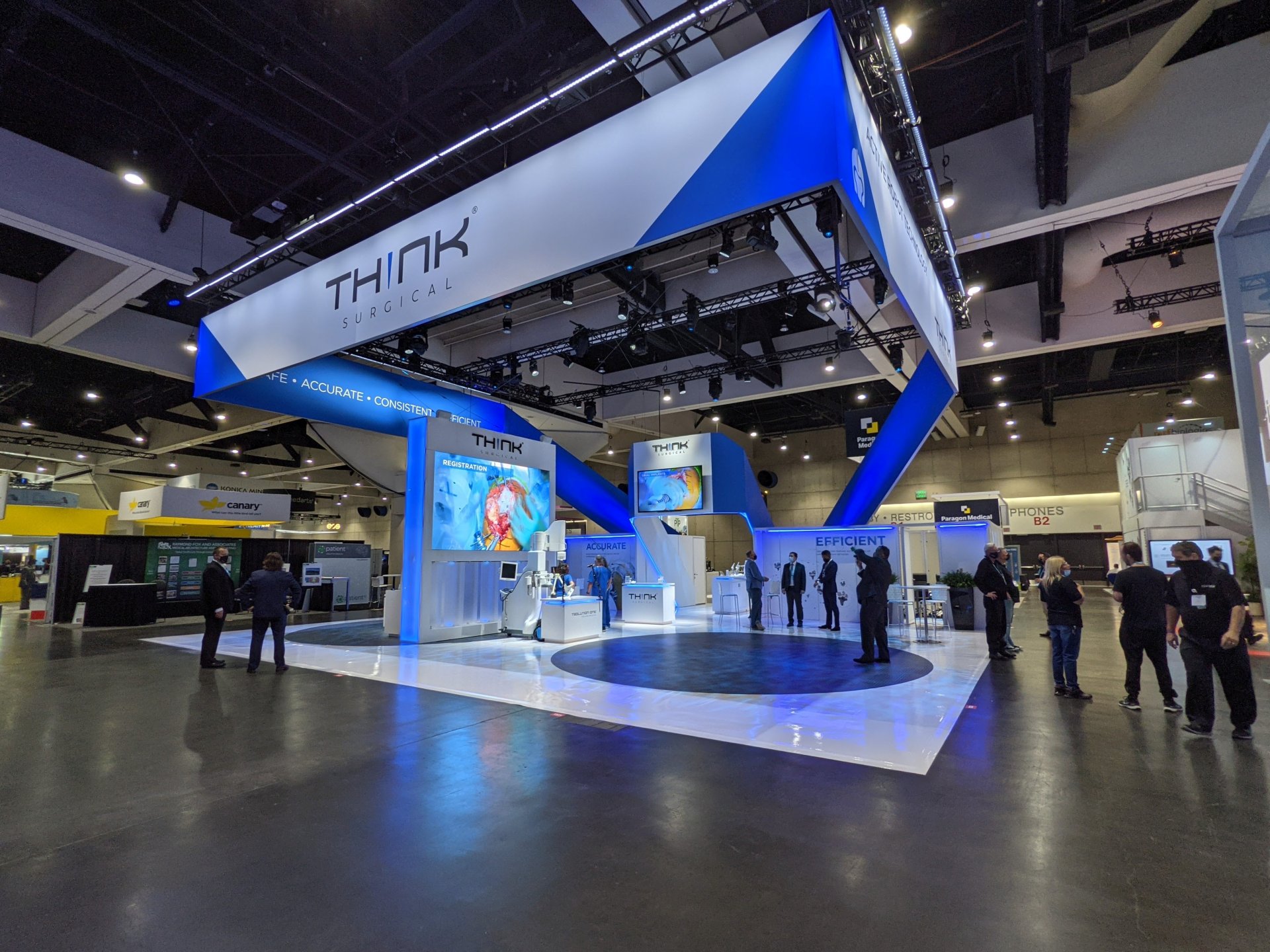
The downtown Atlanta cluster, encompassing the Georgia World Congress Center, Centennial Olympic Park, and AmericasMart Atlanta, forms the epicenter for major industrial trade shows where exhibitors deploy comprehensive booth arrays featuring operational prototypes and interactive process simulations. At the Georgia World Congress Center, vast exhibit halls provide the structural capacity for heavy-load industrial displays, with dedicated freight doors and service elevators facilitating the movement of palletized machinery into position. Planners coordinate timelines around peak convention schedules, ensuring stands are erected ahead of public activations that draw thousands through Centennial Olympic Park's adjacent pathways.
AmericasMart Atlanta complements this zone by hosting extended market events that overlap with industrial buyer gatherings, offering multi-building connectivity for distributed exhibit strategies. Coordination here involves synchronizing stand builds across floors, accounting for escalator freight limits and dedicated service cores to maintain flow during high-volume buyer weeks. This venue's showroom adjacency allows industrial exhibitors to extend booth narratives into permanent display areas, enhancing visibility amid wholesale and trade professional circulations.
Centennial Olympic Park serves as an outdoor extension for promotional activations tied to indoor industrial shows, where weather-resistant stand elements can amplify brand messaging. Overall, downtown planning demands precise sequencing of union labor windows, utility tie-ins, and teardown logistics to align with the zone's intensive operational rhythm.
Airport Corridor Facilities for Accessible Industrial Events
The Georgia International Convention Center and Gateway Center Arena in the College Park area position industrial trade shows for exhibitors relying on air freight and quick-turn logistics, given direct ATL SkyTrain connectivity and proximity to major cargo terminals. This corridor supports events where stand setups prioritize rapid assembly for booths housing compact industrial tools or scaled models, with the convention center's expansive floor plans accommodating forklift-accessible aisles and overhead crane provisions for mid-weight equipment.
Gateway Center Arena adds versatility for hybrid industrial gatherings combining exhibits with arena-style demonstrations, where booth coordinators plan modular frameworks that interface with sports-adjacent staging. Logistics planning emphasizes pre-cleared drayage routes from airport perimeters, minimizing customs delays for international industrial components and ensuring stands are show-ready within compressed timelines.
This zone's fly-in convenience streamlines coordination for Out of Region exhibitors, with venue protocols dictating sequenced power drops and fire lane clearances to safeguard demonstration areas during active sessions.
Suburban Venues for Regional Industrial Trade Shows
Northwest Atlanta's Cobb Convention Center caters to corporate and association-driven industrial events, featuring ballroom configurations that convert into exhibit floors for machinery overviews and supplier meetups. Coordination focuses on vehicle-unload zones and interior freight paths that handle pallet jacks for booth components, with exhibit managers plotting layouts to maximize natural light and adjacency to breakout sessions.
Further northeast, the Gas South Convention Center in the Duluth and Gwinnett corridor hosts community-oriented industrial expos, offering arena-linked halls for live demos of processing equipment. Planners integrate stand designs with the venue's expansion capabilities, coordinating elevated platforms for visibility and utility trenches for compressed air lines common in industrial setups.
These suburban options demand balanced logistics planning, bridging downtown supply chains with local access points to avoid peak-hour disruptions while leveraging lower density for extended setup windows and detailed buyer interactions.
Booth Design Considerations for Industrial Demonstrations
Industrial trade show stands in Atlanta require engineering-focused designs that withstand equipment vibrations and support interactive elements like conveyor mockups or fluid system tests, calibrated to each venue's floor load ratings from the Georgia World Congress Center's reinforced slabs to suburban centers' standard capacities. Coordinators specify modular truss systems and reinforced drape walls to frame product narratives, ensuring scalability across zone-specific booth allotments.
Material selections prioritize durability against tool handling and demo residues, with planning encompassing ventilation integrations for dust-generating displays and LED lighting arrays to highlight metallic finishes under varying hall illuminations. This level of detail extends to graphic panels engineered for high-traffic durability, positioned to guide flows from central aisles into engagement pods.
Teardown efficiency factors into initial designs, with quick-disconnect fittings and stackable crates streamlining reverse logistics across Atlanta's dispersed venue map.
Logistics and Timeline Coordination Across Zones
Effective industrial trade show execution in Atlanta hinges on unified logistics orchestration spanning the four operating zones, where advance shipping manifests align with venue drayage schedules at the Georgia World Congress Center and Georgia International Convention Center alike. Planners map inter-zone transfers for hybrid events, utilizing beltway access to shuttle oversized components without downtown congestion impacts.
Timeline mastery involves phasing advance warehouses with on-site builds, accounting for union move-in slots and inspector walkthroughs prior to show open. This ensures industrial stands transition smoothly from fabrication to activation, with contingency buffers for weather delays in outdoor-adjacent setups like Centennial Olympic Park.
Post-event breakdowns follow mirrored precision, prioritizing high-value equipment secures and recycling protocols to meet venue sustainability mandates across the board.
Utility and Compliance Planning for Industrial Booths
Atlanta venues impose rigorous utility specs for industrial exhibits, from three-phase power at the Georgia World Congress Center for motor-driven demos to compressed air hookups at suburban halls. Coordinators pre-qualify booth schematics against these, submitting scaled drawings that detail load centers and egress paths to expedite approvals.
Fire safety compliance shapes stand perimeters, mandating non-combustible materials around fuel-sampled displays and flame-retardant graphics throughout. Rigging plans for suspended industrial models receive venue engineer sign-offs, integrating with hall-wide systems to prevent conflicts.
This proactive framework minimizes disruptions, allowing industrial exhibitors to focus on buyer conversions within fully compliant, operationally sound booth environments.
Enhancing Buyer Engagement in Atlanta Industrial Shows
Industrial stands thrive in Atlanta by incorporating engagement architectures that funnel traffic from high-volume aisles into demo theaters, calibrated to venue footprints like AmericasMart's multi-level flows. Coordinators embed touchpoints such as AR overlays on equipment cutaways and scheduled operator-led walkthroughs to deepen connections.
Zone-specific adaptations include airport corridor stands with quick-pitch modules for time-pressed attendees and suburban layouts with lounge integrations for extended consultations. Metrics-driven planning tracks dwell times and lead captures, refining post-event reports for iterative improvements.
This engagement-centric approach capitalizes on Atlanta's buyer-dense conventions, transforming static industrial booths into dynamic conversion engines.
Questions
Frequently asked questions
Direct answers on timing, field leadership, and venue coordination for this Atlanta scope.
What makes Atlanta's venue zones ideal for industrial trade shows?
Atlanta's four zones—downtown with Georgia World Congress Center and AmericasMart, airport corridor via Georgia International Convention Center, Cobb for regional events, and Gwinnett's Gas South—offer varied capacities for heavy exhibits, logistics access, and buyer reach.
How do planners handle logistics across these dispersed venues?
Coordination involves sequenced shipping to match drayage windows, inter-zone transfers via beltways, and phased builds/teardowns to navigate union schedules and traffic patterns effectively.
What booth features are essential for industrial demonstrations?
Durable modular frames, vibration-resistant bases, utility-ready integrations for power and air, and safety-compliant enclosures ensure reliable operation in demo-heavy setups.
Which downtown venues support large-scale industrial booths?
Georgia World Congress Center provides reinforced halls for heavy loads, AmericasMart enables multi-floor market displays, and Centennial Olympic Park extends to outdoor activations.
How does the airport area benefit fly-in industrial exhibitors?
Georgia International Convention Center and Gateway Center Arena leverage SkyTrain and cargo proximity for fast equipment delivery and quick-assembly stands suited to transient events.
What compliance steps are critical for industrial stands?
Submitting load plans, utility diagrams, and material certs ahead aligns with venue fire, weight, and rigging rules, preventing setup delays.
Related links