Services / Trade Show Project Management in Atlanta GA
Trade Show Project Management in Atlanta GA
Orchestrating flawless trade show executions across Atlanta's diverse venue landscape demands precise project management that anticipates the unique demands of downtown conventions, airport-adjacent conferences, and suburban expos.
Pre-Show Planning for Atlanta's Downtown Venue Cluster
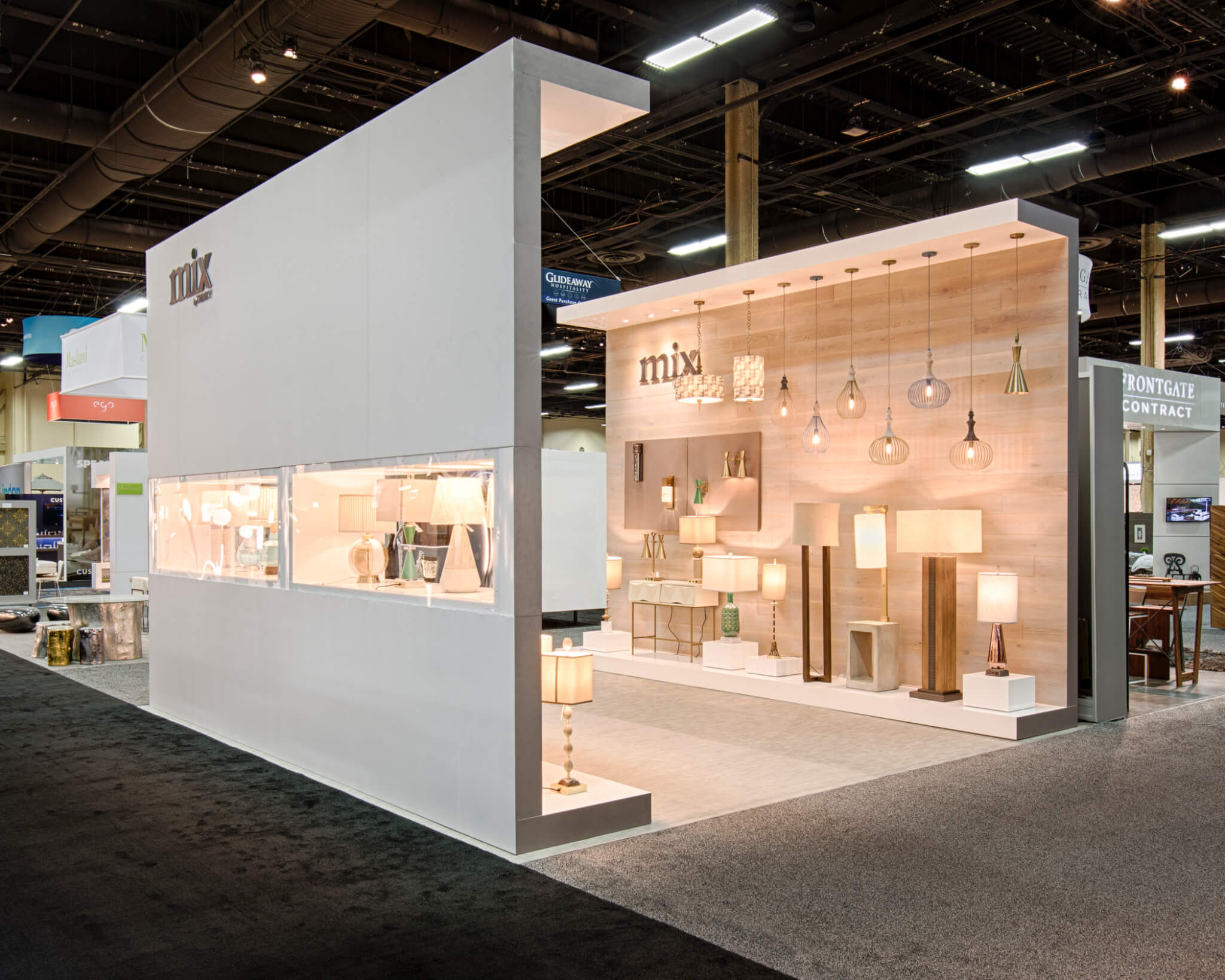
Initiating trade show projects at the Georgia World Congress Center, Centennial Olympic Park, and AmericasMart begins with comprehensive scoping that maps exhibit footprints against hall capacities and activation zones, ensuring alignment with the deep cluster of convention, public event, and buyer showroom demands in downtown Atlanta. Coordinators develop master schedules that sequence design approvals, fabrication milestones, and preliminary permitting submissions, factoring in the high-volume traffic of large conventions that necessitate early reservations for crane services and elevated platforms common in GWCC setups.
This phase extends to forecasting attendee flows around Centennial Olympic Park's outdoor activation potentials and AmericasMart's market-week showroom integrations, where project leads establish checkpoints for material audits and compliance verifications to preempt delays from overlapping flagship exhibits. Detailed risk registers capture variables like weather impacts on park-adjacent displays or showroom adjacency conflicts, allowing for contingency buffers that keep overall timelines intact amid downtown's flagship intensity.
Cross-referencing these plans with historical data from similar events ensures resource commitments match the scale, such as bolstering AV coordination for GWCC's multimedia halls or refining traffic management for AmericasMart's buyer circuits, positioning the project for smooth progression into logistics execution.
Logistics Coordination Across Airport and College Park Venues
Projects targeting the Georgia International Convention Center and Gateway Center Arena require logistics frameworks optimized for ATL SkyTrain access and fly-in participant patterns, where rapid ingress and egress cycles define success amid airport-corridor event dynamics. Management protocols prioritize carrier sequencing that leverages the GICC's floor plans for efficient booth placements, coordinating drayage routes that minimize customs delays for international exhibitors arriving via Hartsfield-Jackson.
Emphasis on fast-turn meeting programs at these sites involves pre-clearing exhibit components through venue-specific manifests, synchronizing with Gateway Center Arena's sports-adjacent scheduling to avoid conflicts during arena transitions. Project oversight includes real-time tracking dashboards that monitor freight from off-site storage to show floors, ensuring alignment with SkyTrain-timed load-ins and mitigating risks from air cargo backlogs.
By embedding venue notes into the logistics backbone—such as GICC's proximity to major highways for trucking efficiency—these plans deliver turnkey readiness, enabling exhibitors to capitalize on the convenience factor that draws conferences to this corridor without operational disruptions.
Suburban Expo Project Management in Cumberland, Cobb, and Gwinnett
For events at the Cobb Convention Center and Gas South Convention Center, project management adapts to northwest and northeast suburban demands by crafting schedules that accommodate corporate trade shows, regional gatherings, and community activations outside downtown's congestion. This involves tailoring resource plans to ballroom-driven programs, where exhibit configurations must flex for hybrid meeting spaces and localized vendor ecosystems.
Coordinators navigate submarket specifics like Cobb's focus on northwest corporate logistics, sequencing installations to align with regional carrier availabilities and Gwinnett's community event cadences that favor modular setups. Budget models incorporate suburban permitting nuances, such as shorter lead times but heightened scrutiny on traffic impacts, ensuring fiscal controls match the scale of these venues.
Integration across these sites emphasizes modular planning that allows exhibits to relocate fluidly between Cobb's convention halls and Gas South's expo floors, with debrief protocols capturing lessons on attendee parking patterns and post-event dismantle efficiencies unique to suburban operations.
Timeline Synchronization for Multi-Zone Trade Show Executions
Atlanta's split across downtown, airport, Cumberland-Cobb, and Duluth-Gwinnett zones necessitates timeline frameworks that harmonize disparate load-in protocols, such as GWCC's structured multi-day windows versus GICC's accelerated SkyTrain-synced setups. Project managers deploy Gantt charts layered with venue milestones, from AmericasMart showroom lockoffs to Cobb ballroom conversions, preventing cascade failures from zone-specific delays.
Critical path analysis identifies chokepoints like Centennial Olympic Park's public activation permits or Gateway Arena's event overlaps, with buffer allocations calibrated to carrier throughput at each cluster. Regular stakeholder syncs—encompassing designers, fabricators, and logistics partners—maintain velocity, adjusting for variables like market-week surges at AmericasMart or fly-in peaks at College Park.
This synchronized approach yields predictable completions, where downtown-scale projects inform suburban optimizations, fostering a portfolio-wide efficiency that scales with exhibitor ambitions across Atlanta's venue spectrum.
Budget and Risk Oversight in Atlanta's Trade Show Landscape
Financial stewardship in Atlanta projects balances zone-varying costs, from GWCC's premium drayage rates to Cobb's regional carrier efficiencies, through granular forecasting that ladders line items against venue floor plans and activation scopes. Contingency funds are positioned for high-impact risks like SkyTrain disruptions at GICC or weather contingencies at Centennial Park, derived from pattern analysis of past cluster events.
Risk matrices prioritize issues such as AmericasMart buyer traffic surges straining labor coordination or Gas South community events triggering permit revisions, with mitigation strategies embedded in contracts and insurance riders. Quarterly reviews track variances, enabling mid-project pivots that safeguard ROI amid fluctuating expo demands.
This disciplined oversight ensures budgets reflect the turnkey reality of executing across Atlanta's four zones, delivering measurable value through controlled expenditures and preempted liabilities.
Post-Show Evaluation and Optimization for Future Atlanta Events
Debriefing after GWCC or GICC shows compiles metrics on timeline adherence, budget fidelity, and engagement outcomes, benchmarking against downtown flagship standards and airport fast-turn benchmarks to refine future protocols. Insights from Centennial Park activations or Cobb corporate runs inform exhibit modularity enhancements, capturing nuances like AmericasMart showroom dwell times.
Stakeholder feedback loops dissect logistics friction points, such as carrier handoffs in Duluth corridors or SkyTrain-timed egress at College Park, feeding into playbook updates for cross-zone deployments. Performance dashboards quantify efficiencies gained, positioning subsequent projects for amplified impact across Atlanta's venue diversity.
This iterative refinement cements project management's role as a strategic asset, evolving with market shifts to sustain exhibitor competitiveness in Atlanta's dynamic trade show arena.
Questions
Frequently asked questions
Direct answers on timing, field leadership, and venue coordination for this Atlanta scope.
How does project management differ across Atlanta's venue zones?
Downtown clusters like GWCC and AmericasMart emphasize large-scale convention logistics and market-week activations, airport venues such as GICC focus on fly-in rapidity via SkyTrain, while suburban sites like Cobb prioritize regional corporate flexibility.
What timelines are typical for Atlanta trade show projects?
Pre-show planning spans 8-12 weeks for downtown flagships, compressing to 4-6 weeks for airport fast-turns, with suburban events allowing modular adjustments based on ballroom availability.
How are budgets managed for multi-venue executions?
Forecasts segment costs by zone—drayage premiums in downtown, carrier efficiencies in suburbs—with contingencies for permitting and activation variables across GWCC, GICC, and Cobb.
What risks are unique to Atlanta's trade show market?
Zone-specific challenges include SkyTrain dependencies at College Park, weather for Centennial Park, showroom conflicts at AmericasMart, and traffic for Gwinnett community events.
Can projects span multiple Atlanta venues?
Unified management coordinates timelines and resources across downtown, airport, and suburban clusters for turnkey handling of touring exhibits or hybrid programs.
How is post-show performance assessed?
Metrics evaluate timeline hits, budget controls, and ROI against venue benchmarks, informing optimizations for future GWCC, Gas South, or Gateway Arena engagements.
Related links