About
About Trade Show Installation of Atlanta
An Atlanta installation partner focused on labor pacing, venue coordination, freight timing, utilities, and show-site control from first scope through final closeout.
Designed around the pressure that shows up on the floor
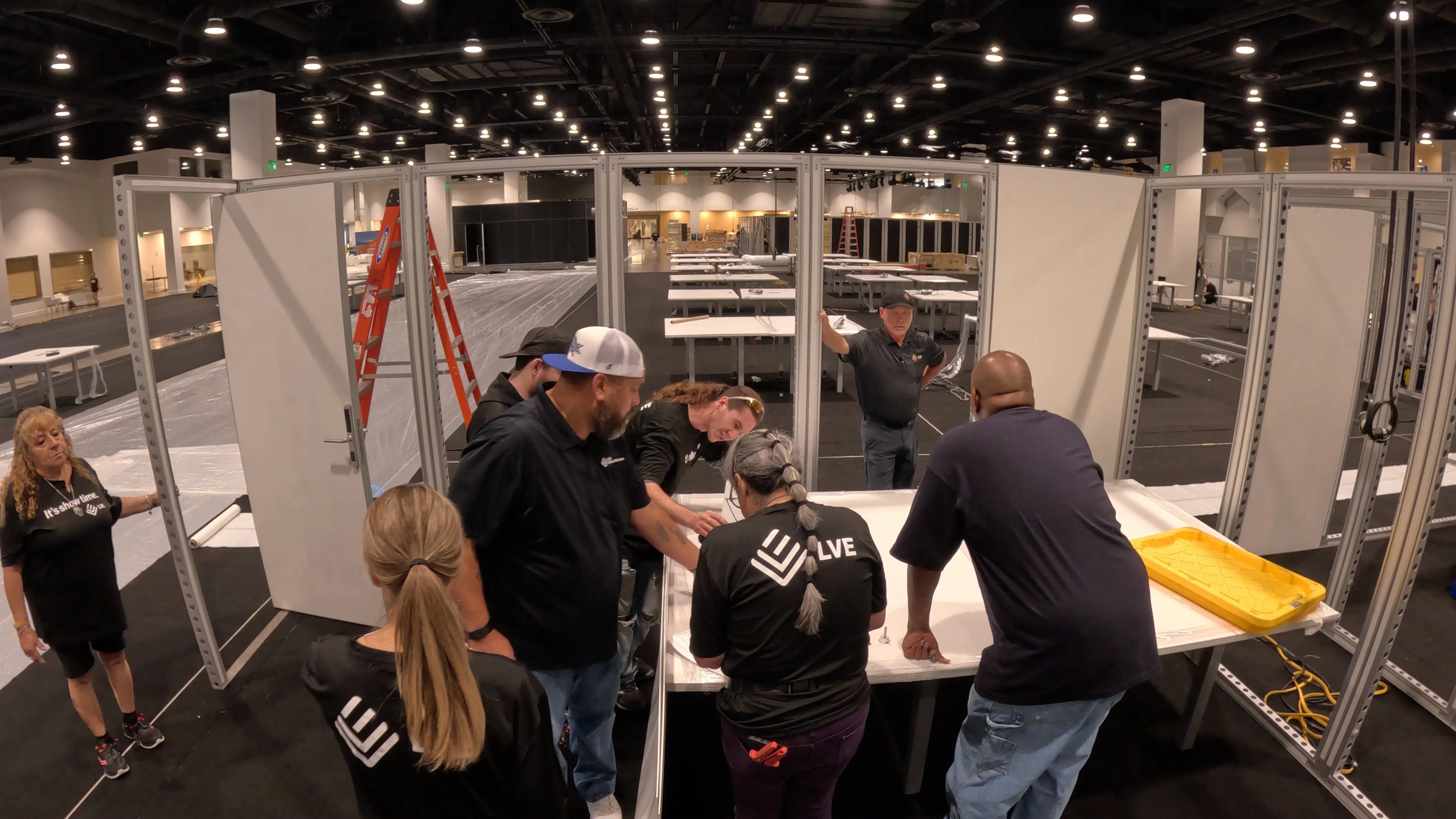
Trade Show Installation of Atlanta is organized around the work that determines whether an event feels composed once the hall opens. Freight timing has to line up with labor planning, utility orders have to fit the booth, and venue coordination has to match the promises already made to sales teams, sponsors, and leadership.
That approach matters in Atlanta because the market moves through very different settings. Downtown campuses, airport-corridor venues, hotel ballrooms, Cobb properties, and Gwinnett convention centers all create different pressure on dock timing, graphics deadlines, staffing plans, and closeout.
A dependable installation partner turns those moving parts into one operating picture. The client gets better visibility into the schedule, the crew gets clearer priorities on the floor, and the booth reaches opening with fewer surprises still unresolved.
What the team handles before show week begins
The work includes install and dismantle planning, labor scheduling, venue paperwork, show-site supervision, utility coordination, exhibitor-appointed contractor alignment, and multi-show programs that need more than a narrow labor conversation. Many jobs also involve graphics timing, AV handoff, flooring and furniture sequencing, and direct communication with venue teams well before move-in.
That combination matters because show-week problems rarely stay in one lane. A print delay changes the install sequence. A power revision changes the layout. A freight issue can affect merchandising, staffing, and the quality of the opening. Solving those questions early keeps the event from becoming a chain of small emergencies.
Clients usually feel the benefit in the handoffs. Stakeholders know what has been approved, vendors know what comes next, and the floor team gets a cleaner path once materials and labor are moving toward the building.
Why reuse and review matter after the strike
Protection starts with planning but it continues after the show closes. Crate logic, storage discipline, refurbishment timing, and post-show review all influence whether the next event starts from a strong base or from a pile of avoidable repairs.
That longer view is what makes an installation-led partner valuable. The booth is treated like a working asset that should hold up across travel, repeated handling, and changing venue requirements rather than as a one-time build.
When the work is handled with that level of care, the result is not only a cleaner opening day. It is a stronger next event, better budget control, and more confidence when the calendar turns back toward Atlanta.