Event Types / Pop-Up Event Services in Atlanta GA
Pop-Up Event Services in Atlanta GA
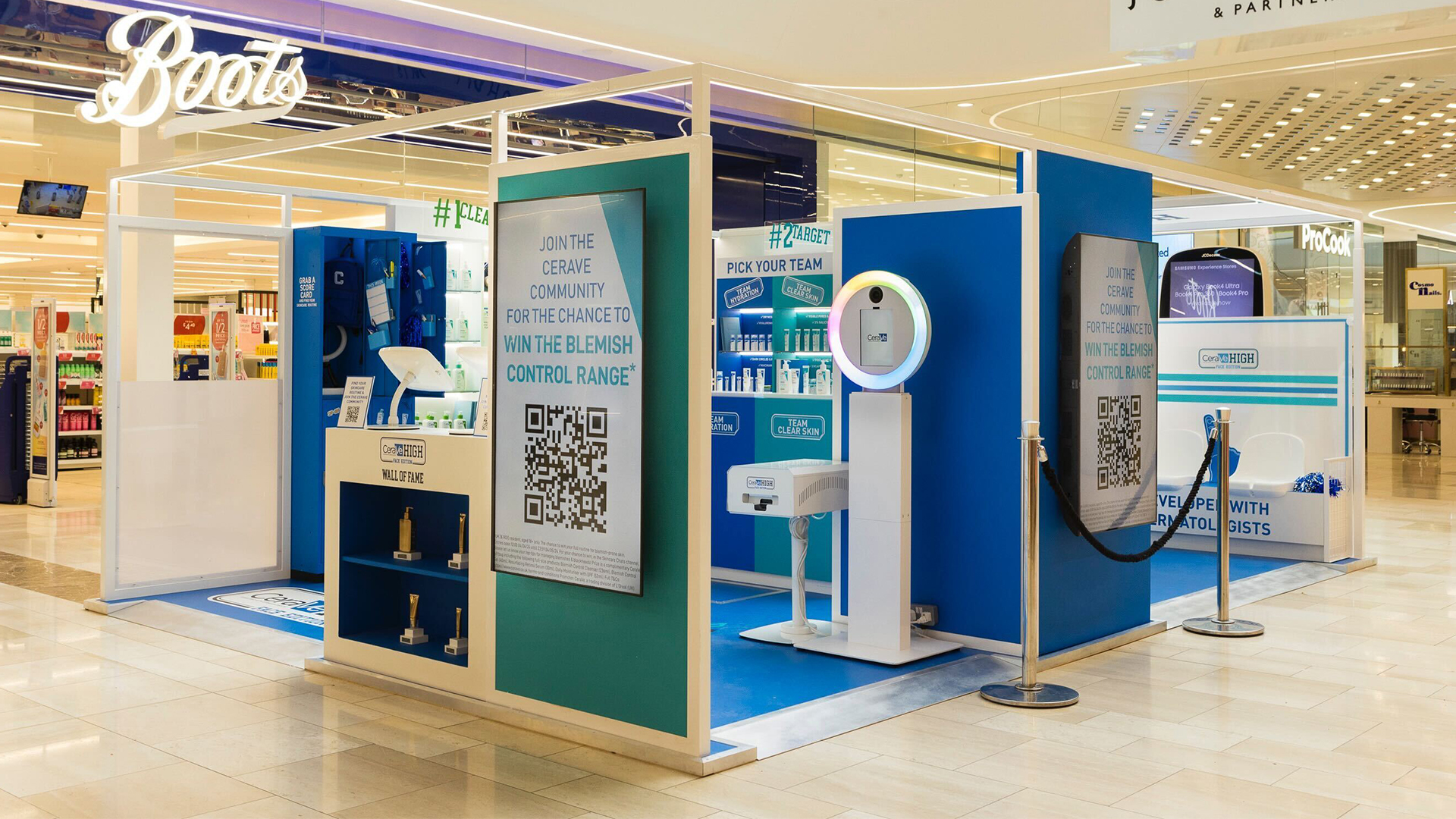
Atlanta's busy event ecosystem offers unmatched opportunities for pop-up activations, with coordinated services spanning downtown convention hubs, airport-adjacent facilities, and suburban expo centers to deliver high-impact temporary experiences.
Downtown Atlanta as the Epicenter for High-Volume Pop-Ups
Georgia World Congress Center anchors downtown's pop-up potential with its vast exhibit halls and proximity to high-density visitor paths, allowing temporary activations to draw from convention crowds without competing for permanent space. Planners coordinate pop-ups here to sync with major tradeshow calendars, positioning experiential zones that feed into main floor traffic while utilizing adjacent loading docks for rapid material ingress. This setup supports pop-ups ranging from interactive product demos to branded lounges that capitalize on the venue's 1.5 million annual square feet of flexible space.
Centennial Olympic Park complements indoor efforts by offering outdoor pop-up canvases steps from Georgia World Congress Center, where weather-resilient temporary structures can engage park passersby during event peaks. Coordination involves aligning pop-up timelines with park activation guidelines, ensuring setups enhance rather than disrupt the public green space's role as a convention spillover area. AmericasMart Atlanta extends this downtown strength into dedicated market weeks, where pop-up services fill showroom gaps with short-term displays tailored to buyer showroom rhythms.
Airport Corridor Venues for Transient Pop-Up Engagements
Georgia International Convention Center's location along the ATL SkyTrain route makes it prime for pop-ups targeting air travelers and regional delegates, with exhibit halls designed for fast setup and breakdown to match fly-in schedules. Coordinators plan pop-ups that leverage the venue's 140,000 square feet of space, integrating them with conference agendas to create smooth activation points near registration and breakout areas. The corridor's logistics streamline material delivery, avoiding downtown congestion for time-sensitive executions.
Gateway Center Arena at College Park adds arena-style versatility for pop-up events blending sports-adjacent energy with convention formats, where temporary stands can occupy concourse or floor spaces during off-peak hours. This venue's proximity to airport parking and shuttles facilitates quick-access pop-ups that engage outbound attendees, with coordination focusing on noise and lighting compatibility to enhance rather than overshadow primary programming.
Suburban Venues Expanding Pop-Up Reach Beyond Downtown
Cobb Convention Center in the Cumberland submarket serves pop-up needs for northwest Atlanta corporate and regional events, offering ballroom and exhibit combinations that accommodate mid-scale temporary installations without urban premiums. Planners coordinate these to tap local business districts, positioning pop-ups near breakout sessions to foster B2B interactions in a less saturated environment than downtown. The venue's dedicated service corridors enable discreet setups that integrate smoothly into association meetings or trade gatherings.
Gas South Convention Center in the Duluth and Gwinnett corridor captures northeast demand with its 350,000 square feet across arenas and halls, ideal for pop-ups serving community expos and suburban corporate activations. Coordination here emphasizes rail-adjacent logistics for efficient supply chains, allowing temporary structures to scale with event footprints from arena perimeters to full hall takeovers, broadening pop-up viability across Atlanta's outer rings.
Logistics and Timing Strategies for Multi-Zone Pop-Ups
Effective pop-up coordination across Atlanta's zones demands synchronized logistics, starting with venue-specific load-in windows at Georgia World Congress Center's multiple docks versus Georgia International Convention Center's SkyTrain-buffered entries. Planners map material flows to avoid peak convention overlaps, using downtown's cluster density for shared trucking efficiencies while isolating suburban runs to dodge interstate rushes. This approach ensures pop-ups launch on schedule, with contingency buffers for weather impacts at outdoor-linked sites like Centennial Olympic Park.
Timing pop-ups requires alignment with annual cycles, such as AmericasMart's market weeks or Georgia World Congress Center's concert-adjacent conventions, where temporary slots open between headliners. Coordinators forecast footfall peaks from venue calendars, positioning pop-ups for maximum dwell time without encroaching on contracted exhibit spaces, and scale durations from 48-hour blasts to week-long runs based on zone capacities.
Integrating Custom Builds into Pop-Up Frameworks
Pop-up services benefit from modular stand designs that adapt to venue constraints, such as Georgia World Congress Center's height limits or AmericasMart's showroom aesthetics, allowing temporary frameworks to house digital interactives or product replicas. Coordination involves pre-fabrication reviews against floor plans, ensuring pop-up elements comply with rigging specs at Gateway Center Arena or fire codes in Cobb Convention Center's ballrooms. This integration turns short-term spaces into immersive environments without permanent alterations.
Sustainability enters pop-up planning through reusable components that travel between zones, from downtown's high-turnover halls to Gwinnett's extended runs, minimizing waste while meeting venue recycling mandates. Planners select materials that balance visual punch with disassembly speed, coordinating strikes to free spaces promptly for subsequent bookings across Atlanta's venue network.
Audience Targeting and Measurement in Atlanta Pop-Ups
Pop-ups in downtown clusters like Georgia World Congress Center and Centennial Olympic Park target convention-goers with proximity plays, where activations intercept badge-holders en route to sessions. Airport venues shift focus to transient professionals via Georgia International Convention Center's delegate paths, capturing decision-makers mid-travel. Suburban sites at Cobb and Gas South hone in on local networks, using pop-ups to deepen regional ties during association events.
Success metrics for pop-ups span lead scans at AmericasMart buyer shows to dwell analytics at Gateway Center Arena concourses, with coordinators embedding tech for real-time tracking across zones. Post-event debriefs refine future placements, leveraging Atlanta's venue data shares to benchmark against baseline traffic, ensuring iterative improvements in engagement ROI.
Questions
Frequently asked questions
Direct answers on timing, field leadership, and venue coordination for this Atlanta scope.
What makes downtown Atlanta ideal for pop-up events?
The Georgia World Congress Center, Centennial Olympic Park, and AmericasMart form a dense cluster supporting high-volume activations with shared logistics and peak convention traffic.
How do airport venues support quick-turn pop-ups?
Georgia International Convention Center and Gateway Center Arena offer SkyTrain access and fast-load facilities tailored for fly-in events with minimal dwell times.
Can pop-ups extend to suburban Atlanta areas?
Yes, Cobb Convention Center and Gas South Convention Center enable regional targeting with ballroom and arena spaces suited for corporate and community pop-ups.
What logistics coordination is key for multi-zone pop-ups?
Align load-ins with venue docks, forecast interstate flows, and sync with annual calendars to avoid overlaps across downtown, airport, and suburban sites.
How are custom elements incorporated into pop-ups?
Modular stands and temporary structures are pre-vetted against floor plans and codes for smooth integration at all major Atlanta venues.
What metrics evaluate pop-up performance?
Track leads, dwell times, and scans benchmarked against venue traffic data, with tech embedded for cross-zone consistency.
Related links