
Event Types / Association Meeting Services Atlanta
Association Meeting Services Atlanta
Orchestrating exhibit displays for association meetings demands precision in aligning booth configurations with the unique rhythms of professional gatherings held across Atlanta's diverse venue network, from expansive downtown complexes to airport-adjacent facilities.
Atlanta's Venue Clusters and Their Association Meeting Dynamics
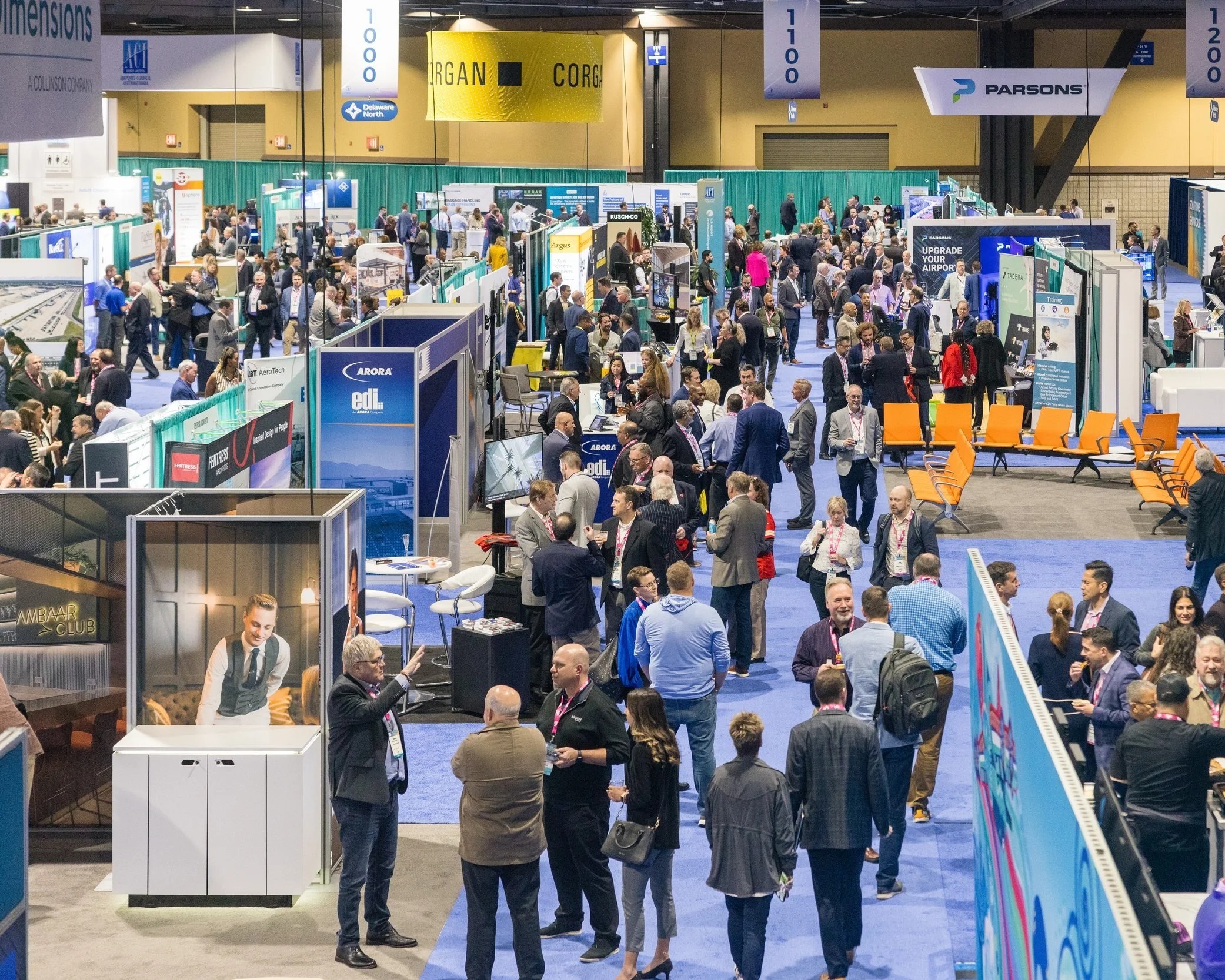
The downtown Atlanta zone centered on Georgia World Congress Center, Centennial Olympic Park, and AmericasMart Atlanta forms the epicenter for association meetings requiring deep exhibit integration, where large conventions generate sustained foot traffic through flagship exhibit halls linked to session ballrooms and public activation spaces. Planners must sequence booth builds around market-week supports and conference logistics, positioning displays to capture overflows from educational tracks into exhibit floors that span multiple levels. This cluster's density enables exhibits with high-visibility backdrops drawing from Olympic Park's adjacency, fostering extended dwell times as attendees transition between panels and networking zones.
Shifting to the airport and College Park corridor, Georgia International Convention Center and Gateway Center Arena @ College Park cater to association meetings with fly-in convenience via ATL SkyTrain access, where exhibit planning emphasizes fast-turn configurations in halls optimized for sports-adjacent activations and quick meeting programs. Booth designs here prioritize compact modularity to handle variable delegate arrivals, incorporating quick-plug tech for sessions that spill into exhibit areas, ensuring minimal disruption during peak airport-driven rushes. Northwest suburban venues like Cobb Convention Center extend this flexibility for regional association events, with ballroom-driven programs allowing exhibits to anchor corporate-style gatherings outside downtown congestion.
Tailoring Booth Configurations to Association Agendas
Association meetings thrive when exhibits mirror the event's thematic cadence, such as aligning booth layouts at Georgia World Congress Center with keynote proximities to intercept motivated attendees post-session. Configurations often feature tiered shelving for literature stacks alongside demo stations sized for group huddles, calibrated to the venue's floor load capacities and aisle clearances mandated in planning guides. In AmericasMart Atlanta's showroom environments, deeper exhibit depths accommodate product replicas central to professional discourse, with adjustable partitions enabling hybrid virtual-physical interactions common in modern associations.
At Georgia International Convention Center, where floor plans support expansive single-level exhibits, planners coordinate island booths that encircle central demo pods, facilitating 360-degree engagement for fly-in crowds navigating SkyTrain-adjacent logistics. Gateway Center Arena setups lean toward perimeter walls for space efficiency, integrating LED panels synced to session timers, while Cobb Convention Center's ballroom adjacencies demand low-profile risers that blend exhibits into breakout flow without impeding ballroom resets between agenda blocks.
Logistics Sequencing for Multi-Zone Association Deployments
Coordinating logistics across Atlanta's operating zones begins with phased timelines syncing load-in windows at Georgia World Congress Center's multiple docks to Centennial Olympic Park's outdoor perimeters, ensuring exhibit components arrive sequenced for assembly amid concurrent convention traffic. Planners map routes avoiding downtown bottlenecks, pre-staging modular frames for rapid erection that aligns with association agendas starting from welcome receptions. This zoning awareness extends to airport venues, where Georgia International Convention Center's proximity to highways demands Just in Time deliveries to match fly-in peaks, minimizing holding times in temp storage.
Suburban extensions like Cobb Convention Center require daylight-adjusted sequencing to leverage natural light in ballroom-exhibit hybrids, with teardown protocols reversing build order to clear for next-day regionals. Full-spectrum planning incorporates contingency buffers for weather impacts on park activations or SkyTrain delays, guaranteeing exhibit readiness dovetails with registration opens and plenary starts across all clusters.
Post-event reverse logistics reclaim assets efficiently, cataloging usage data from each zone to refine future deployments, such as reallocating durable graphics from AmericasMart showrooms to GICC quick-turns.
Engagement Amplifiers in Association Exhibit Spaces
Exhibits at association meetings elevate beyond static displays by embedding facilitation tools that spark dialogue, such as at Georgia World Congress Center where clustered seating pods within booths encourage post-session debriefs among peers. Interactive touchpoints like QR-linked resource libraries or live polling stations capture real-time feedback, calibrated to venue Wi-Fi strengths and bandwidth peaks during breaks. Centennial Olympic Park extensions incorporate weather-resilient outdoor kiosks extending indoor exhibits, drawing casual networkers into structured conversations.
Georgia International Convention Center's open floor plans suit roaming demo circuits, with booth-embedded charging hubs retaining delegate devices for app-based interactions tied to association directories. Gateway Center Arena's arena vibe prompts gamified elements like leaderboards tracking scan-ins, while Cobb Convention Center ballrooms favor intimate VR stations simulating field applications discussed in sessions.
These features compound networking value, positioning exhibits as agenda extensions that persist in attendee recollections long after adjournments.
Sustainability and Compliance in Exhibit Planning
Association priorities increasingly demand eco-aligned exhibits, prompting reusable frameworks at venues like AmericasMart Atlanta where modular panels reduce waste across market-week cycles. Planners audit materials for recyclability, coordinating with Georgia World Congress Center's rigging specs to minimize single-use rigging, while Centennial Olympic Park setups emphasize low-impact footprints preserving green spaces. Airport venues' fast-turn nature favors lightweight composites transportable via standard freight, aligning with GICC's efficient dock protocols.
Compliance layers include fire-rated fabrics standard across clusters, with booth designs pre-vetted against GWCC planning guide metrics for egress and load. Cobb Convention Center's regional focus incorporates local ordinance checks for electrical draws, ensuring smooth permitting that supports association governance standards without delays.
Tracking these elements yields certifications appealing to value-driven groups, enhancing exhibit credibility in RFP narratives.
ROI Frameworks for Association Meeting Investments
Quantifying exhibit impact at association meetings involves metrics like booth dwell averages tracked via heatmaps at Georgia International Convention Center's open layouts, correlating to lead volumes from integrated CRM handoffs. Planners benchmark against baseline traffic from session adjacencies, adjusting future configs at Gateway Center Arena to prioritize high-conversion zones near arenas. Downtown clusters' scale at GWCC allows A/B testing of engagement variants, refining ROI through post-event surveys capturing Intent to Act data.
Budget models allocate across zones, weighting AmericasMart's showroom premiums against Cobb's cost efficiencies, with modular swaps optimizing capex reuse. Centennial activations add experiential premiums justified by viral social captures, compounding intangible returns in membership growth.
Longitudinal tracking across annual cycles informs scaling decisions, transforming exhibits from cost centers to strategic assets.
Scaling Exhibits for Evolving Association Formats
As associations hybridize, exhibit planning at Atlanta venues adapts with dual-feed tech at Georgia World Congress Center, streaming booth cams to virtual platforms while anchoring in-person hubs. GICC's fly-in scalability supports tiered hybrids, with booths doubling as green rooms for remote moderators. AmericasMart's permanent-inspired setups lend to recurring formats, easing annual refreshes with swappable facades.
Suburban Cobb venues facilitate intimate hybrids via AV-over-IP, minimizing cabling in ballroom transitions. This evolution ensures exhibits remain central to blended experiences, coordinating across zones for consistent branding.
Forward planning anticipates format shifts, pre-building flex modules deployable from downtown spectacles to airport efficiencies.
Questions
Frequently asked questions
Direct answers on timing, field leadership, and venue coordination for this Atlanta scope.
How do Atlanta venue clusters influence association exhibit strategies?
Downtown's Georgia World Congress Center and AmericasMart support immersive scales, airport GICC favors quick-turns, and Cobb enables regional intimates, dictating modularity and logistics phasing.
What logistics considerations apply to multi-zone association meetings?
Phased load-ins sync with dock windows, route mapping avoids chokepoints, and contingencies cover SkyTrain or weather variables, ensuring agenda alignment across clusters.
How can exhibits enhance networking at association events?
Through interactive pods, QR resources, and scheduled hosts timed to breaks, booths extend sessions into peer exchanges, boosting dwell and connections.
What compliance standards shape Atlanta association exhibits?
Fire ratings, egress aisles, power specs from GWCC guides, and eco-materials meet venue rules and association values uniformly.
How is ROI measured for association meeting booths?
Via dwell metrics, lead scores, conversion uplifts, and Cost Per Lead by cluster, with A/B testing refining future investments.
Can exhibits adapt to hybrid association formats?
Yes, with dual-stream tech, flex modules, and AV integrations scaling from GWCC spectacles to GICC hybrids smoothly.
Related links