Services / Trade Show AV Production in Atlanta
Trade Show AV Production in Atlanta
Orchestrating audiovisual elements across Atlanta's expansive trade show venues demands precise planning that aligns technical capabilities with the unique demands of each convention zone, ensuring exhibits deliver maximum engagement without logistical disruptions.
AV Infrastructure Planning for Downtown Atlanta Venues
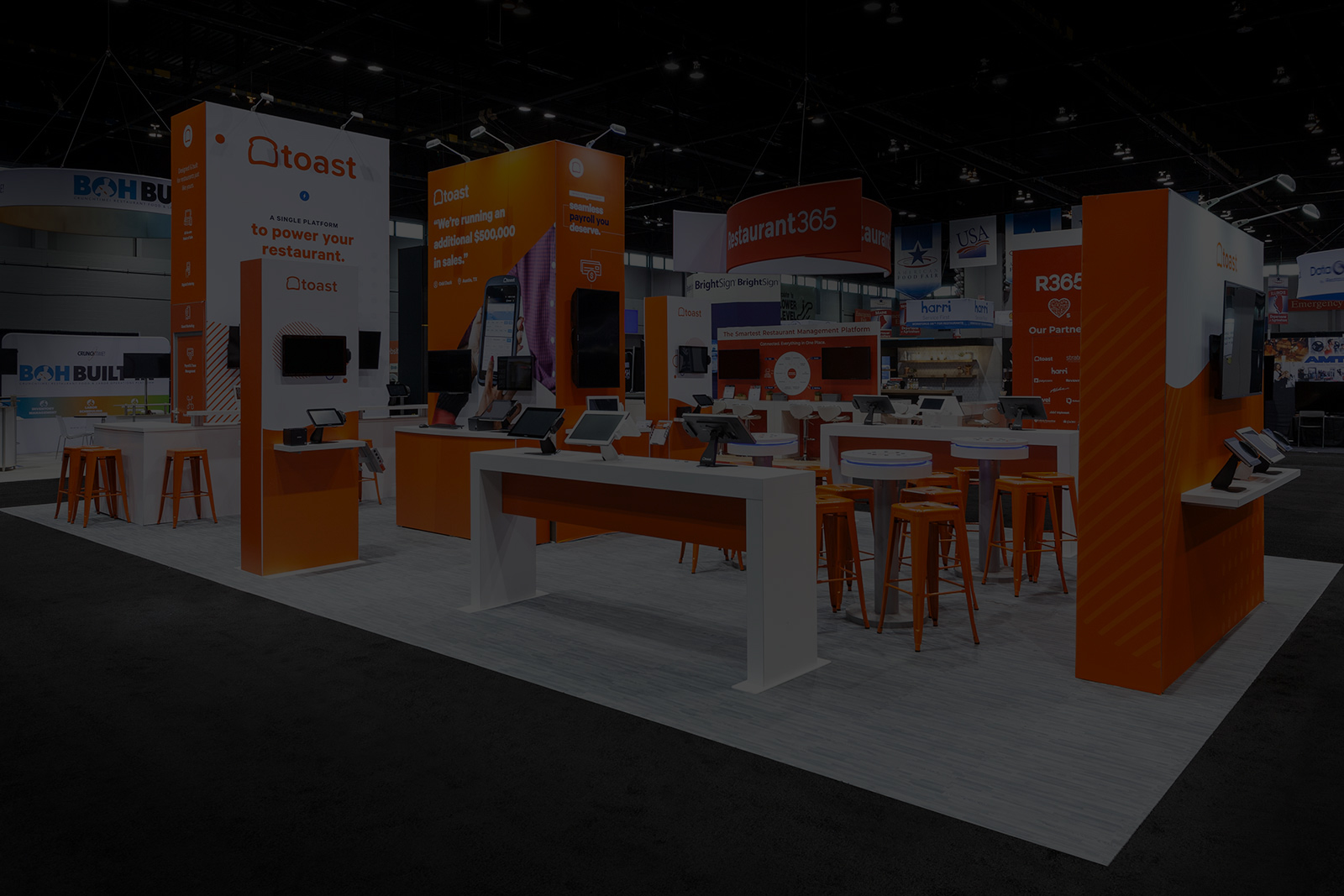
Georgia World Congress Center anchors downtown's flagship conventions, where AV production involves extensive cable runs across expansive halls and integration with Centennial Olympic Park's outdoor elements for hybrid exhibit experiences. Planners coordinate fiber optic backbones to support high-resolution video distribution, ensuring content from central control rooms reaches multiple booth positions without latency issues during peak buyer traffic. AmericasMart Atlanta's showroom clusters require modular AV racks that adapt to multi-floor market weeks, with uplinks designed for smooth transitions between permanent installations and temporary exhibit enhancements.
Power allocation at these sites demands pre-event audits to match exhibit demands against venue grids, preventing overloads during simultaneous activations. Signal processors handle diverse inputs from booth demos to live keynotes, while redundancy plans cover Atlanta's variable weather impacts on park-adjacent setups. This foundational planning layer sets the stage for immersive experiences that draw crowds through synchronized visuals and soundscapes.
Airport Corridor AV Strategies for Fly-In Events
Georgia International Convention Center and Gateway Center Arena in College Park cater to quick-turn fly-in conferences, where AV production emphasizes rapid deployment via ATL SkyTrain proximity. Coordinators prioritize lightweight truss systems and battery-backed audio to minimize setup times, aligning with the corridor's focus on fast-paced meeting programs and sports-adjacent activations. Video content pipelines must support real-time uploads from traveling teams, with edge caching to buffer against airport bandwidth fluctuations.
Logistics planning integrates AV handoff from air cargo to venue floors, ensuring projectors and LED panels arrive pre-configured for immediate hot-plug into hall infrastructures. Sound zoning prevents bleed between arena events and convention sessions, while projection angles account for the venues' elongated layouts. This streamlined approach maximizes uptime for exhibitors arriving on tight schedules across Atlanta's airport zone.
Dismantle protocols accelerate asset recovery, with rolling cases designed for SkyTrain transport back to staging areas, preserving momentum for multi-stop tours.
Suburban Venue AV Optimization
Cobb Convention Center in the Cumberland submarket and Gas South Convention Center in Gwinnett handle corporate trade shows and community expos, requiring AV production that scales to ballroom-driven formats and regional audience sizes. Planners deploy distributed audio networks to cover variable room configurations, syncing with exhibit islands that blend freestanding displays and modular walls. Lighting control systems adapt to lower ceilings, using LED pars for energy-efficient booth highlighting without straining suburban grids.
Venue-specific mapping identifies load-in paths for heavy AV gear, coordinating with northwest and northeast corridor traffic patterns to avoid show-day delays. Interactive touchpoints like QR-triggered videos demand low-latency wireless distribution, tested against local interference from nearby business parks. This targeted optimization ensures suburban events punch above their scale, rivaling downtown impact through precise AV layering.
Post-event data logging captures performance metrics for iterative improvements, feeding into broader Atlanta-wide exhibit strategies.
Video and Projection Systems Integration
Across Atlanta's zones, video walls and projection mapping form the backbone of trade show AV, customized to venue sightlines at Georgia World Congress Center's vast halls or Georgia International Convention Center's focused arenas. Production teams sequence content playback to match booth traffic peaks, employing edge blending for curved surfaces that wrap exhibit perimeters and draw passersby into narratives. Calibration sessions align pixel-perfect imagery with structural elements, compensating for ambient light variances from Centennial Olympic Park's daylight spill or AmericasMart's interior fluorescents.
Multi-source switching enables live feeds from demos, keynotes, or virtual integrations, routed through redundant HDMI extenders to thwart cable failures. For Gateway Center Arena's hybrid events, 4K upscaling preserves quality across sports-arena distances, while Cobb facilities benefit from compact projectors suited to ballroom throws. This integration elevates static booths into dynamic storytelling hubs, calibrated for Atlanta's diverse show rhythms.
Audio and Lighting Design Coordination
Audio reinforcement in Atlanta trade shows balances clarity across zones, from line arrays filling GWCC halls to cardioid patterns isolating AmericasMart conversations. Planners model dispersion patterns to cover booth footprints without hot spots, integrating wireless mics for roaming presenters and subwoofers for demo impacts. EQ profiles counter venue acoustics, like Centennial Park's open-air reverb or GICC's tiled hall echoes, ensuring speech intelligibility hits 90%+ thresholds.
Lighting designs layer exhibitor moods atop venue washes, using moving heads for rhythmic pulses synced to video cues at Gas South events or static gels for corporate polish at Cobb. PAR cans and strips outline structures, with DMX universes daisy-chained for control efficiency. This dual audio-lighting orchestration amplifies engagement, turning Atlanta exhibits into multisensory destinations that linger in attendee memories.
Safety interlocks and thermal monitoring prevent overloads, with cloud dashboards enabling remote tweaks during show runs.
Power Logistics and Technical Rehearsals
Power planning dissects Atlanta venue charts, allocating circuits for AV draws at GWCC's megawatt halls or GICC's targeted panels. Coordinators deploy PDUs with monitoring to track loads in real-time, distributing across phases to sidestep brownouts during peak activations. Extension strategies snake through undercarpet trays, tying into booth gensets for overflow capacity in park settings.
Rehearsal cadences build from dry tech runs in staging zones to full dress in-venue, iterating cues for Gateway Center's arena acoustics or Cobb's ballroom drapes. Crew briefs align on failover scripts, testing matrix switches for instant source swaps. This rigorous prep translates to flawless showtime delivery, insulating against Atlanta's multi-zone variables.
Asset tagging streamlines post-show audits, quantifying uptime for future bids.
Turnkey Execution Across All Zones
Turnkey AV production unifies Atlanta's fragmented venues, from downtown's convention depth to suburban flexibility, via standardized workflows that plug into any site. Planners cascade schedules syncing AV milestones with I&D crews, ensuring video content loads Pre Move in at AmericasMart or audio hangs precede load-in at Gas South. Cross-zone templates normalize rigging specs, adapting only for unique hall geometries like GWCC's curved walls or GICC's SkyTrain-adjacent bays.
Quality gates at each phase—design, build, test, deploy—enforce consistency, with digital twins simulating full setups pre-arrival. This holistic coordination maximizes ROI, turning logistical diversity into a competitive edge for exhibitors spanning Atlanta's four operating corridors.
Questions
Frequently asked questions
Direct answers on timing, field leadership, and venue coordination for this Atlanta scope.
How does AV production differ across Atlanta's convention zones?
Downtown venues like GWCC and AmericasMart demand high-capacity video and audio for large crowds, airport sites like GICC prioritize quick setups for fly-ins, and suburban spots like Cobb focus on modular scalability for corporate events.
What venue-specific factors influence AV planning at Georgia World Congress Center?
Extensive hall layouts require long cable runs and robust signal distribution, integrated with Centennial Olympic Park activations for hybrid experiences.
How to handle power needs for AV at Georgia International Convention Center?
Audit airport-corridor grids for phased distribution, using PDUs to manage draws from video walls and audio rigs during fast-turn conferences.
What role does projection mapping play in AmericasMart trade shows?
It wraps showroom structures for immersive market-week narratives, calibrated against interior lighting for sharp, engaging visuals.
How are rehearsals structured for suburban venues like Gas South?
Off-peak sessions test audio zoning and lighting syncs against ballroom configs, ensuring smooth integration with regional expo flows.
Why emphasize turnkey AV across Atlanta zones?
It ensures consistent execution from downtown flagships to Gwinnett corridors, preventing zone-specific disruptions.
Related links