
Services / Atlanta Registration and Entry Environments for Trade Shows
Atlanta Registration and Entry Environments for Trade Shows
Streamline attendee flow and capture first impressions with meticulously planned registration and entry environments tailored to Atlanta's diverse convention landscape, from the high-volume halls of downtown to the efficient setups of airport-adjacent facilities.
Downtown Atlanta High-Volume Configurations
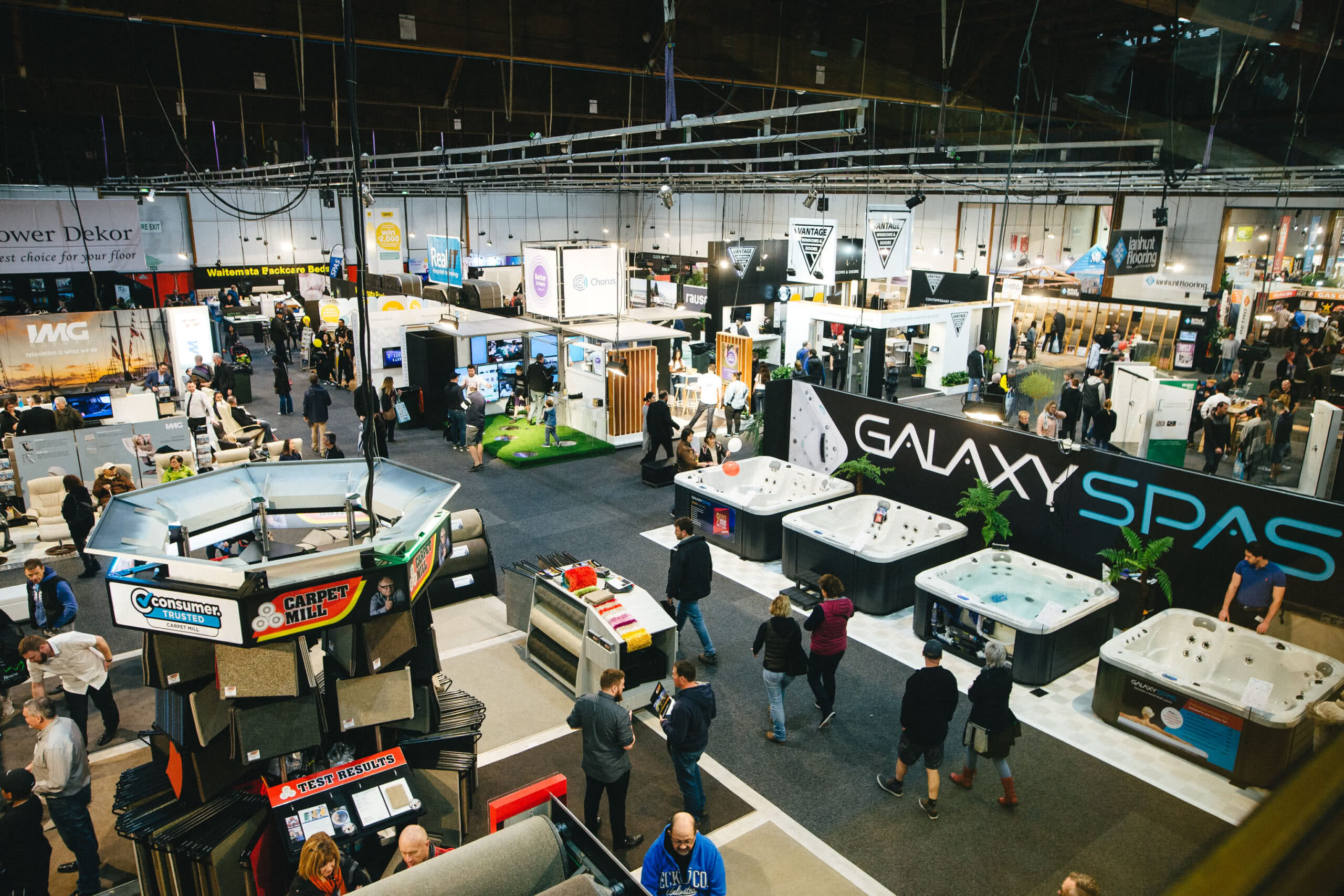
The downtown Atlanta cluster, led by the Georgia World Congress Center, Centennial Olympic Park, and AmericasMart Atlanta, represents the epicenter of trade show activity where registration environments must scale to accommodate thousands of daily attendees during large conventions and market weeks. Planners design multi-station kiosks with reinforced counters capable of handling simultaneous badge printing, wristband distribution, and app-based verifications, positioned strategically near primary entrances to distribute foot traffic evenly across exhibit halls. These setups incorporate weather-resistant enclosures for outdoor queuing during Centennial Olympic Park's public activations, ensuring protection from Georgia's variable climate while maintaining visibility for sponsor banners that capture attention from passing crowds.
Integration with the venue's infrastructure is paramount; for instance, at GWCC, registration zones align with escalator banks and SkyBridge connections, facilitating smooth transitions into Mercedes-Benz Stadium-adjacent events or Omni Hotel linkages. AmericasMart's multi-building layout demands segmented entry points per mart floor, with portable partitions that allow reconfiguration between gift shows and apparel markets, preventing cross-traffic interference. Coordinators prioritize durable materials like aluminum-framed stations that withstand repeated setups, focusing on ergonomic heights for staff efficiency and attendee comfort during extended peak hours.
Beyond basic functionality, these environments embed experiential elements such as LED video walls displaying real-time wait times and event agendas, enhancing the flagship convention atmosphere. Safety protocols dictate wide aisles compliant with fire marshal guidelines, while power distributions support multiple scanners and printers without overloading circuits shared with nearby exhibit activations.
Airport Corridor Efficiency Solutions
In the College Park area, the Georgia International Convention Center and Gateway Center Arena necessitate registration environments streamlined for transient, fly-in audiences arriving via ATL SkyTrain and airport shuttles. Planners configure compact, high-tech kiosks with self-service kiosks featuring touchless scanners and QR code readers, minimizing contact points in fast-paced conference settings where attendees prioritize speed over elaborate setups. These zones position near the GICC's main lobby, leveraging the venue's 26,000 square feet of prefunction space for buffer areas that absorb surges from simultaneous breakout sessions.
Gateway Center Arena's arena-style layout requires mobile registration carts that navigate around basketball court perimeters, supporting hybrid sports-event activations with dual-purpose stations for ticket swaps and exhibit passes. Emphasis falls on lightweight, wheeled structures that transport easily via service elevators, coordinating with the venue's fly-in convenience to enable setup completion hours before doors open. Digital signage mounted on adjustable poles provides multilingual directions, catering to international delegates common in airport-proximate gatherings.
Operational flow integrates with parking garages and ride-share drop-offs, using serpentine queuing to maximize linear space in constrained lobbies. Backup power units ensure uninterrupted operations during potential outages, while antimicrobial surfaces address health standards for post-pandemic events.
Suburban Venue Adaptations
Suburban facilities like the Cobb Convention Center in the Cumberland submarket and Gas South Convention Center in Duluth/Gwinnett demand registration environments attuned to regional trade shows and corporate gatherings, where space is often ballroom-contiguous rather than vast exhibit halls. Coordinators deploy freestanding podiums with integrated monitors for smooth check-in, placed at ballroom entrances to segment attendee groups by agenda track, preventing overlap with catering services or general sessions. These setups utilize stackable chairs for overflow seating, allowing quick pivots to networking receptions without full teardowns.
Cobb's northwest positioning influences designs with enhanced acoustics to mask background noise from adjacent hotels, incorporating privacy hoods over scanners for secure data entry during sensitive corporate registrations. In Gwinnett, broader campus layouts permit expansive entry plazas with tensile fabric canopies sheltering kiosks from rain, directing flows toward amphitheaters or outdoor demos. Planners account for lower peak volumes by prioritizing modularity, enabling consolidation of stations during lighter days.
Compliance with local load-in protocols ensures carts fit standard freight elevators, while eco-friendly materials like recycled countertops appeal to sustainability-focused associations hosting in these community-oriented venues.
Flow Integration with Exhibit Transitions
Registration and entry environments in Atlanta must fluidly connect to core exhibit spaces, particularly in GWCC's interconnected halls where Post Check in paths lead directly to trade floors via wide concourses. Planners map attendee progression using simulation software to position exit gates with turnstiles or RFID portals that sync badges to exhibit apps, reducing re-verification at activation zones. At AmericasMart, transitions incorporate showroom previews via strategically placed digital totems, priming buyers for market-week navigation across 50 floors of permanent displays.
Airport venues like GICC require streamlined handoffs to shuttle bays for offsite tours, with registration outputs feeding real-time attendee trackers visible on hall monitors. Suburban setups at Cobb emphasize one-way flows from lobbies to ballrooms, using carpeted runners to delineate paths and prevent exhibit floor contamination. Overall, these integrations minimize dwell times at entry, channeling energy into booth interactions within minutes of arrival.
Custom thresholds with anti-slip mats handle footwear transitions, while overhead banners reinforce directional cues amid multi-event overlaps.
Technology and Structural Synergies
Advanced tech elevates Atlanta registration zones, with GWCC-compatible systems featuring cloud-synced databases for instant updates across distributed kiosks during citywide conventions. Planners specify rugged tablets mounted on adjustable arms for hybrid manual-digital processing, compatible with badge printers that produce durable, scannable laminates resistant to hall humidity. Integration with venue Wi-Fi ensures low-latency app logins, critical for Centennial Park's outdoor extensions where cellular signals falter.
In airport settings, GICC setups leverage beacon technology for geofenced notifications, prompting pre-registration completions en route from ATL. Structural elements like tension-fabric backdrops provide smooth branding canvases, illuminated by energy-efficient LEDs that highlight sponsor logos without glare on nearby screens. Suburban adaptations favor battery-operated units for ballrooms lacking overhead power, extending runtime through midday lulls.
Data analytics from check-in logs inform real-time adjustments, such as deploying extra stations to slow lanes detected via footfall sensors embedded in flooring.
Signage and Wayfinding Mastery
Comprehensive signage transforms Atlanta entry environments into intuitive navigation hubs, especially in AmericasMart's labyrinthine buildings where color-coded arrows guide from registration to specific mart districts. Planners deploy die-cut vinyl on rigid panels for durability, mounted on telescoping poles that adjust for sightlines in crowded GWCC concourses. Thematic graphics unify the experience, echoing exhibit motifs to build anticipation from the first badge scan.
Airport corridors benefit from illuminated pylons visible from SkyTrain platforms, directing GICC arrivals with icons for exhibits, sessions, and exits. Cobb's compact footprint calls for wall-mounted directories updated via magnetic overlays, accommodating last-minute agenda shifts. In Duluth, expansive signage integrates with landscaping for plaza orientations, using reflective sheeting for low-light viability.
Universal design principles ensure accessibility, with braille options and high-contrast fonts compliant across all venue clusters.
Compliance and Dismantle Protocols
Adhering to Atlanta venue standards, registration setups incorporate fire-retardant fabrics and grounded electricals verified pre-install at GWCC and peers. Planners schedule inspections aligning with general contractor timelines, ensuring egress paths exceed code minima even at peak density. Health protocols mandate sanitization stations integral to kiosks, with touchless dispensers standard since regional event rebounds.
Dismantle phases coordinate with I&D crews for efficient strikes, using labeled components that pack into labeled crates for outbound logistics. At airport venues, rapid teardowns accommodate tight turnarounds for consecutive fly-ins, while suburban sites allow overnight clears without overtime premiums. Documentation captures as-built photos for future references, refining subsequent deployments.
Questions
Frequently asked questions
Direct answers on timing, field leadership, and venue coordination for this Atlanta scope.
How do registration setups differ across Atlanta's venue clusters?
Downtown zones at GWCC and AmericasMart scale for massive conventions with multi-kiosk arrays, while airport facilities like GICC emphasize self-service speed for fly-ins, and suburban Cobb setups focus on ballroom modularity for corporate flows.
What technology is typically integrated into these entry environments?
Cloud-synced badge systems, QR scanners, RFID portals, and real-time analytics dashboards ensure efficient processing, with venue Wi-Fi compatibility standard across GWCC, GICC, and Cobb configurations.
How are attendee flows managed to prevent bottlenecks?
Serpentine barriers, wide aisles, and digital wait-time displays distribute traffic, mapped to venue entrances and exhibit transitions for smooth progression in high-demand clusters like Centennial Park activations.
What materials ensure durability in Atlanta's climate?
Aluminum frames, weather-resistant enclosures, and vinyl graphics withstand humidity and rain, particularly vital for outdoor extensions at Centennial Olympic Park and Duluth expos.
How long does setup take for typical registration zones?
Modular designs enable deployment in 2-4 hours, coordinated with venue load-in windows at facilities from AmericasMart market weeks to Gateway Center Arena events.
Are custom branding options available for entry areas?
Full wraps, LED backlit totems, and fabric canopies incorporate sponsor motifs, unified with wayfinding for cohesive impressions across all Atlanta operating zones.
Related links