
Services / Portable Display Systems for Atlanta Trade Shows
Portable Display Systems for Atlanta Trade Shows
Exhibitors targeting Atlanta's dynamic convention landscape rely on portable display systems to adapt quickly across downtown megavenues like the Georgia World Congress Center and AmericasMart, airport-adjacent facilities such as the Georgia International Convention Center, and suburban hubs including the Cobb Convention Center, ensuring operational flexibility without permanent infrastructure commitments.
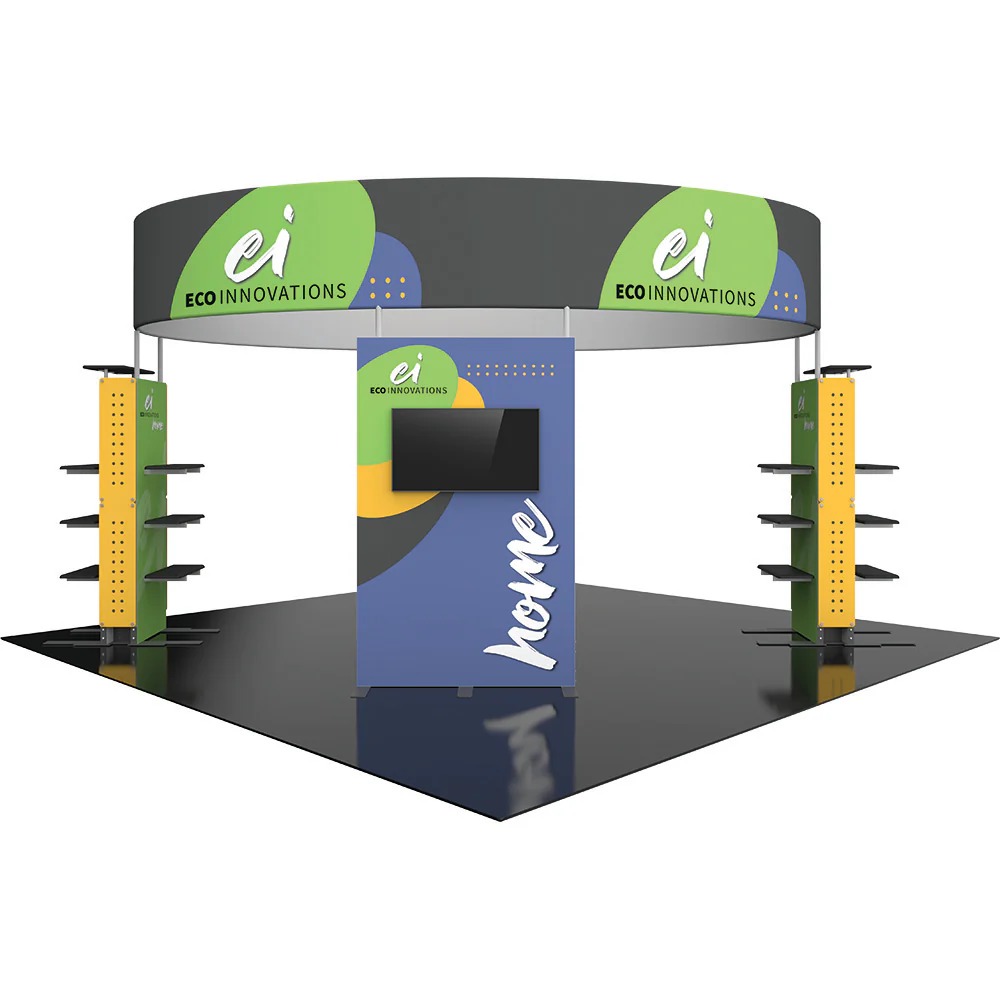
Adapting Portable Displays to Atlanta's Venue Clusters
Downtown Atlanta's Georgia World Congress Center, Centennial Olympic Park, and AmericasMart Atlanta form the core of high-volume exhibit demand, where the systems must navigate expansive floor plans and high-traffic pathways designed for simultaneous large conventions and market-week operations. Exhibitors plan these systems to utilize lightweight aluminum extrusions and SEG fabric graphics that snap into place within standard move-in periods, avoiding delays in union-supervised installations while maximizing visibility in open-concept hall configurations. The cluster's proximity enables shared transport routes from central staging areas, but planners account for varying ceiling heights and aisle widths by selecting systems with adjustable heights up to 20 feet and footprint options from 10x10 inline to 20x20 island setups, ensuring compliance with fire marshal setbacks and emergency egress requirements across these flagship sites.
Airport and College Park venues like the Georgia International Convention Center and Gateway Center Arena emphasize convenience for transient exhibitors, where portable displays incorporate rollable cases and quick-lock mechanisms to expedite SkyTrain-accessible load-ins from remote parking. These facilities support sports-adjacent activations and fast-turn meetings, prompting choices in vacuum-formed counters and backlit silhouettes that double as demo stations, resilient to the humidity fluctuations common in corridor-adjacent environments. Planners integrate wheeled transport dollies compatible with arena freight elevators, focusing on systems under 500 pounds per module to streamline disassembly for post-event outbound shipping amid tight turnaround schedules.
Suburban extensions such as the Cobb Convention Center in the Cumberland area capture corporate and regional trade shows in ballroom-driven programs, where portable displays prioritize elegant tension systems and curved panel arrays that elevate smaller footprints without overhead rigging. Operational planning here involves pre-assembling graphic panels off-site for on-venue snap-fit, accommodating northwest submarket traffic patterns and venue-specific docking bays, while ensuring magnetic or velcro attachments allow mid-show tweaks for audience flow in hybrid conference layouts.
Logistics Coordination Across Atlanta Zones
Effective logistics for the systems in Atlanta hinge on mapping transport paths between downtown's dense Georgia World Congress Center cluster and outlying Georgia International Convention Center, factoring in interstate interchanges and SkyTrain efficiencies that reduce drayage times for palletized cases. Planners sequence inbound freight to align with venue receiving docks open from early morning, using protective crating for tension frames and LED lightboxes that withstand pallet jack maneuvers, while coordinating with common carriers for consolidated shipments serving multiple zones on the same tour. This approach mitigates risks from Atlanta's variable weather during load-outs at Centennial Olympic Park activations, preserving fabric integrity through vapor-barrier wraps.
Zone-spanning coordination extends to suburban Cobb Convention Center deployments, where portable systems' flat-pack designs fit standard box trucks navigating perimeter roads, enabling Just in Time arrivals that sync with regional show calendars. Detailed manifests track component inventories across kits, ensuring exhibitors can pivot from AmericasMart showroom weeks to airport conferences without asset mismatches, with emphasis on serialized labeling for rapid I&D crew identification in mixed-use facilities.
Outbound logistics planning incorporates venue-specific trash-out policies, where disassembled portable elements pack into returnable cases labeled for next-zone reuse, optimizing fuel efficiency on return routes to central distribution points and minimizing dwell times at GICC's airport-proximate bays.
Customization Strategies for Market-Specific Impact
Portable display customization in Atlanta tailors to downtown's buyer-showroom intensity at AmericasMart, incorporating busy dye-sub prints on opaque blockers and illuminated headers that draw from adjacent retail pathways, with planners selecting wrinkle-resistant textiles for prolonged market-week exposures. Systems evolve through layered backwalls with integrated shelving for product rotation, aligning visual hierarchies with GWCC's high-footfall corridors and enabling A/B testing of messaging panels during convention peaks.
Airport venues like Gateway Center Arena benefit from compact, high-contrast portable setups featuring QR-embedded graphics and modular podiums that facilitate quick audience interactions in fly-in settings, where customization focuses on lightweight composites resistant to vibration from nearby transit. Planners embed USB charging ports and cable management channels to support demo tech, ensuring displays remain functional across varying power drops in College Park facilities.
Suburban Cobb events demand polished, professional finishes in portable towers with frosted acrylic accents and adjustable spotlights, customized to reflect corporate branding while fitting ballroom drape lines, with fabric choices prioritizing flame-retardant certifications for enclosed configurations.
Setup and Teardown Optimization Protocols
Setup protocols for portable displays at Georgia World Congress Center prioritize sequential assembly starting with base frames locked to floor pads, followed by vertical towers ratcheted into position and horizontal rails clipped for graphic tensioning, all within 90-minute windows to meet hall reopenings. Planners drill teams on torque specs for extrusion hubs and level checks using laser tools, accommodating GWCC's sloped entry ramps that influence initial placement stability amid concurrent installations.
Teardown at AmericasMart reverses this with graphic roll-offs first to protect prints, then frame collapses into labeled bundles, streamlining palletization for outbound via service elevators shared with neighboring showrooms. In Centennial Olympic Park outdoor-adjacent scenarios, wind-resistant anchoring kits secure bases, with protocols including dusk lighting verifications for extended activations.
Airport GICC setups leverage pre-fitted channel bars for 45-minute deployments, emphasizing magnetic tool pouches to speed panel swaps, while Cobb Convention Center teardowns incorporate protective padding for ballroom carpet preservation, ensuring cases exit via dedicated freight corridors without aisle disruptions.
Performance Enhancement Through Portable Integrations
Enhancing portable displays with tech integrations suits Atlanta's interactive show formats, such as embedding slim monitors into GWCC backwall pockets powered via daisy-chained distros compliant with venue amp limits, allowing video loops that sync with Centennial Park ambient flows. Planners specify IP-rated enclosures for humidity-prone zones, ensuring touchscreens remain responsive during high-engagement periods.
Logistics for integrated elements extend to airport venues, where battery-backed LED strips illuminate Gateway Arena islands without floor cords, and modular hubs support wireless charging amid SkyTrain transients. Customization includes NFC tags on fabric panels for app-linked content delivery.
Suburban Cobb deployments incorporate adjustable podium lifts within portable kits for elevated product reveals, with RGB underglow syncing to show AV cues, optimizing ROI through captured interaction data across zones.
Budgeting and Scalability for Ongoing Atlanta Programs
Budgeting the systems factors Atlanta's multi-zone cadence, allocating for durable kits reusable across 10+ annual shows at GWCC and GICC, with initial outlays covering extrusion molds and print runs offset by low drayage needs compared to hardwalls. Planners forecast amortizations over three-year cycles, incorporating refresh budgets for graphic updates tied to market-week themes at AmericasMart.
Scalability enables expansion from 10x20 starters to 30x30 hybrids by adding perimeter kits, suiting progression from Cobb regional events to downtown majors, with ROI tracked via modular analytics mounts collecting booth traffic metrics.
Sustainability budgeting prioritizes recyclable aluminum and eco-fabrics, aligning with Centennial Park ethos while reducing landfill contributions from teardowns across clusters.
Compliance and Risk Mitigation in Venue Operations
Ensuring portable displays meet Atlanta venue compliances involves pre-verifying flame ratings on all textiles per NFPA 701 standards mandatory at Georgia World Congress Center and AmericasMart, with planners submitting spec sheets during space applications to preempt marshal inspections. Structural engineering calcs for taller towers account for seismic zones, securing bases with weighted plates in open GWCC configurations.
Risk mitigation at airport sites like GICC includes non-slip flooring adapters for polished exhibit surfaces and grounded power taps preventing trip hazards in transit-heavy areas, with protocols for securing loose panels during Gateway Arena load-ins.
Suburban Cobb operations emphasize low-VOC graphics for indoor air quality and padded transport to protect venue finishes, with contingency kits for on-site repairs maintaining schedule adherence.
Questions
Frequently asked questions
Direct answers on timing, field leadership, and venue coordination for this Atlanta scope.
How do portable displays handle varying booth sizes at GWCC and GICC?
Modular interlocking frames allow smooth scaling from inline 10x10 to island 20x20 configurations, with add-on wings and risers adjusting to hall grids at Georgia World Congress Center while compact cases fit GICC's exhibit elevators, enabling exhibitors to match space bookings across zones without redesigns.
What transport considerations apply for multi-venue Atlanta tours?
Flat-pack designs ship in wheeled cases under 100 inches long, compatible with standard ground freight from downtown AmericasMart to College Park's SkyTrain bays or Cobb's perimeter docks, with protective interiors safeguarding against interstate vibrations.
Are portable systems suitable for outdoor activations near Centennial Olympic Park?
Wind-rated towers with guy-wire options and weighted bases secure setups adjacent to park events, using UV-stable fabrics for daytime exposures and quick-disconnect lighting for evening transitions, compliant with public space permitting.
How quickly can portable displays assemble in tight show schedules?
Most systems deploy in 60-90 minutes with two-person teams following sequenced Hubs and Spokes protocols, ideal for fast-turn airport conferences at Gateway Center Arena or regional starts at Cobb Convention Center.
What customization options enhance branding consistency across Atlanta zones?
Interchangeable SEG panels and magnetic headers permit graphic swaps for show-specific themes, with frame colors matching corporate palettes and integrated branding rails for logos, ensuring uniformity from downtown majors to suburban expos.
Do portable displays integrate with AV for interactive Atlanta exhibits?
Recessed pockets house monitors and speakers powered through frame channels, supporting wireless syncing for GWCC demos or GICC touchpoints, with cable raceways minimizing floor clutter in high-traffic venues.
Related links