Services / Modular Exhibit Systems Atlanta - Flexible Scalable Trade Show Booths for GWCC AmericasMart GICC
Modular Exhibit Systems Atlanta - Flexible Scalable Trade Show Booths for GWCC AmericasMart GICC
Modular exhibit systems deliver exhibitors unparalleled adaptability in Atlanta's dynamic trade show environment spanning downtown clusters Georgia World Congress Center Centennial Olympic Park and AmericasMart to airport-adjacent Georgia International Convention Center and Gateway Center Arena plus suburban Cobb Convention Center facilities.
Adapting Modular Systems to Downtown Atlanta's Flagship Venues
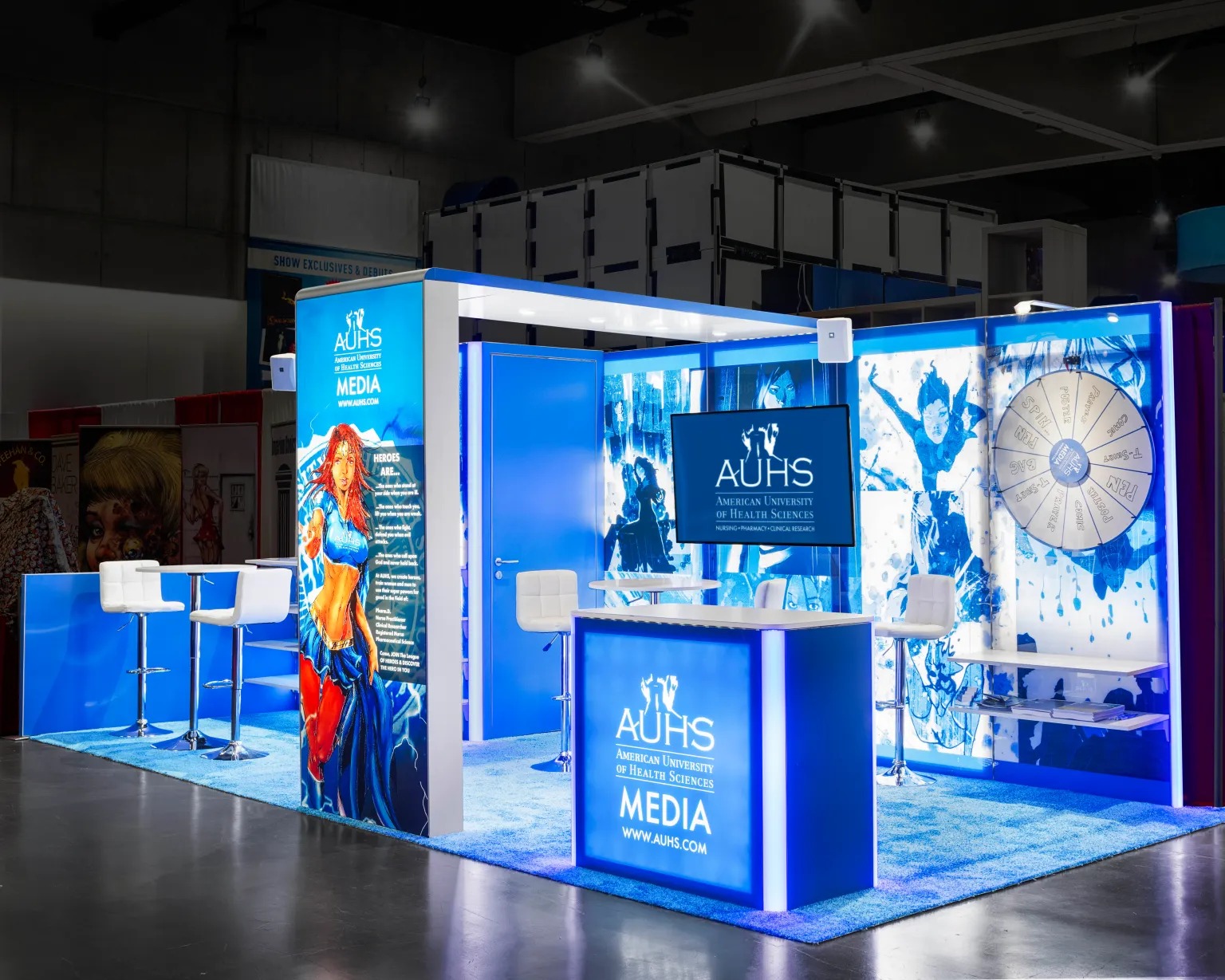
Georgia World Congress Center Centennial Olympic Park and AmericasMart form Atlanta's deepest cluster for large-scale conventions flagship exhibits public activations and market-week support where modular exhibit systems shine through their ability to reconfigure for GWCC's vast 1.5 million square feet of exhibit space across multiple halls or AmericasMart's showroom-driven layouts. Planners select base frames with 10-foot modular heights extending to 16 or 20 feet via stacking connectors matching GWCC's ceiling clearances and truss compatibility while ensuring compliance with fire safety and load-bearing specs detailed in venue planning guides. This zone's high-traffic buyer environments demand robust panel connections and reinforced corners to withstand repeated setups supporting extended show runs from three-day conferences to week-long markets without structural fatigue.
Centennial Olympic Park activations alongside GWCC events require lightweight yet stable modular towers for outdoor-indoor transitions where systems incorporate wind-rated bases and quick-lock mechanisms for daily reassembly. AmericasMart's permanent showroom adjacency influences modular choices toward hospitality-focused add-ons like modular bars and seating pods which snap into core frames facilitating buyer lounge conversions during Atlanta Market or temporary gift show phases. Coordination emphasizes pre-show mockups to verify module counts against hall diagrams ensuring perimeter booths at AmericasMart Building 1 align with traffic flow patterns from skybridges and escalators.
Optimizing for Airport and College Park Corridor Events
Georgia International Convention Center and Gateway Center Arena position around ATL SkyTrain access and fly-in convenience making modular exhibit systems ideal for events where transport efficiency and rapid setup dictate success. GICC's 140,000 square feet of contiguous space including pre-function areas calls for flat-pack modular crates that navigate loading docks and SkyTrain-adjacent freight elevators with minimal disassembly. Planners configure systems with wheeled bases for Hall to Hall moves within GICC's single-level exhibit floor supporting hybrid conference formats that blend trade show islands with breakout sessions.
Gateway Center Arena's sports-adjacent activations demand versatile modular podiums and video walls that reconfigure from arena-floor displays to concourse kiosks accommodating quick-turn meeting programs. Coordination integrates modular power distribution pods rated for GICC's high-amp circuits and Gateway's event lighting grids ensuring smooth AV tie-ins without custom wiring. These venues' proximity to Hartsfield-Jackson Airport streamlines module shipping from national hubs reducing lead times for last-minute adjustments in fast-paced aviation or logistics industry gatherings.
Scaling Modular Exhibits for Suburban Northwest and Northeast Venues
Cobb Convention Center in the Cumberland and Cobb submarket captures corporate events regional trade shows and ballroom-driven programs where modular systems provide scalable solutions from intimate 10x10s to 20x40 hybrids fitting the venue's 72,000 square feet across Galleria Hall and breakout spaces. Planners leverage modular counter heights adjustable from 36 to 42 inches to match ballroom dais levels while incorporating locking casters for easy repositioning during multi-day corporate galas. This northwest corridor's accessibility from I-75 influences crate sizing to standard pallet jacks enhancing coordination for association meetings that spill into adjacent hotels.
Further northeast Duluth and Gwinnett corridor's Gas South Convention Center handles community events with 90,000 square feet of flexible space suiting modular perimeters that expand via bridge connectors for welcome areas or vendor rows. Systems here emphasize acoustic panels and privacy screens as snap-in modules to delineate zones in open exhibit floors supporting family-friendly or workforce development shows. Turnkey planning aligns module inventories with Gas South's advance freight windows ensuring Just in Time delivery amid I-85 traffic patterns.
Logistics and Transport Coordination for Multi-Zone Modular Programs
Atlanta's four operating zones require meticulous logistics planning for modular exhibits factoring GWCC's dedicated freight yards GICC's SkyTrain ramps Cobb's surface lots and Gas South's dock scheduling to avoid peak-hour bottlenecks. Common modules like 40x40-inch panels and 98-inch towers pack into reusable hard cases with custom foam inserts protecting finishes during inter-venue hauls from downtown to College Park. Coordination sequences advance shipments to AmericasMart's bonded storage or GWCC's marshal yards aligning with union labor windows for I&D efficiency across shows.
Reusable crate systems with barcoded inventories track components via digital manifests enabling real-time adjustments for venue-specific footprints such as GICC's column spacing or Centennial Park's grassy perimeters. Planners forecast pallet counts based on zone distances—downtown to Cobb at 20 miles airport to Duluth at 35—optimizing carrier routes and ensuring compliance with oversized load permits for taller frame sections destined for GWCC domes.
Integration with Project Management and I&D Services
Modular exhibit systems amplify the value of comprehensive project management by standardizing timelines across Atlanta venues where GWCC move-in slots fill months ahead while GICC offers next-day turns. Coordinators develop master schedules syncing module pre-assembly with venue lock-up dates incorporating buffer times for AmericasMart's phased market builds or Gateway Arena's event overlaps. This integration flags potential conflicts like Cobb ballroom reconfigs ensuring modular swaps occur within contracted I&D shifts.
Installation and dismantle crews interface with modular quick-connects reducing setup from days to hours—critical for multi-occupancy halls at Gas South or Centennial activations. Post-show audits verify module integrity for reuse logging wear on extrusion joints or graphic pulls to inform refurb cycles supporting sustained programs from corporate roadshows to association circuits spanning all zones.
Fabrication Considerations for Atlanta-Specific Modular Frames
Modular frames fabricated from high-grade aluminum extrusions with powder-coated finishes withstand Atlanta's humid climate and high-traffic halls like GWCC's 100,000-attendee shows or AmericasMart's buyer rushes. Planners specify T-slot channels accepting universal connectors for add-ons like slatwall shelves or monitor mounts fitting GICC's AV-heavy conferences. Custom milling ensures precise tolerances for stacking seams invisible at 20-foot elevations in Cobb's Galleria or Gas South's arenas.
Graphics production favors dye-sublimated fabrics tensioned on modular stretch frames offering SEG replacements without tools—ideal for rebranding between downtown markets and suburban trades. Coordination verifies tension specs against venue lighting variances from Centennial's daylight floods to Gateway's LED arrays maintaining vibrancy across zones.
Sustainability and Long-Term ROI in Recurring Atlanta Shows
Modular systems drive sustainability by minimizing waste through 80-90% component reuse across Atlanta's annual 200+ events from GWCC's mega-shows to Duluth's locals. Planners calculate ROI via lifecycle tracking where initial fabrication amortizes over 50+ deployments offsetting custom builds' one-off costs. Zone-spanning programs at GICC and Cobb benefit from modular storage efficiencies reducing off-season warehousing needs.
Refurb protocols refresh tension fabrics and recertify frames annually aligning with venue safety audits for GWCC domes or AmericasMart permanents. This extends exhibit lifespans supporting exhibitors' ESG goals in association events at Gas South while delivering measurable savings on logistics for fly-in College Park setups.
Customizing Modular Add-Ons for Venue Activation Zones
Atlanta venues feature unique activation zones where modular add-ons elevate engagement: GWCC's concourses take freestanding towers with interactive kiosks; Centennial Park employs weatherproof podiums for pedestrian flows; AmericasMart lounges integrate modular hospitality pods. Coordinators spec magnetic mounts for quick graphic swaps suiting GICC's hybrid sessions or Cobb's corporate keynotes.
Gateway Arena and Gas South demand charging stations and LED counters as plug-in modules powering attendee dwell times during breaks. Planning verifies electrical capacities—GWCC's 208V feeds versus suburban 120V—ensuring smooth power passthrough in multi-module clusters across all corridors.
Questions
Frequently asked questions
Direct answers on timing, field leadership, and venue coordination for this Atlanta scope.
How do modular exhibits adapt to different booth sizes at GWCC versus GICC?
Modular systems use interchangeable frames scaling from 10x10 linears at GICC's compact halls to 30x30 islands in GWCC's expansive spaces with connectors bridging 10-foot bays for precise footprint matching.
What logistics challenges arise transporting modules between Atlanta zones?
Coordinators plan for zone distances like downtown to Cobb via I-75 using pallet-optimized crates and digital tracking to sync with venue freight windows avoiding SkyTrain or I-85 peaks.
Can modular systems handle high ceilings in venues like Gas South Convention Center?
Extrusion towers stack to 20 feet with truss adapters compatible with Gas South's rigging while bases stabilize against arena floor vibrations for elevated branding.
How does modularity support multi-show reuse in Atlanta markets?
Component inventories enable reconfiguration from AmericasMart perimeters to Centennial activations with 90% reuse rates tracked via manifests for cost recovery over annual programs.
What I&D efficiencies do modular systems provide at airport venues?
Quick-lock mechanisms cut GICC and Gateway setups to under 4 hours per 20x20 with wheeled bases facilitating SkyTrain-adjacent moves and dismantle packing.
Are modular graphics durable for Atlanta's high-traffic environments?
SEG tension fabrics and reinforced panels withstand GWCC crowds or AmericasMart rushes with field-replaceable options maintaining appearance across zones.
Related links