Locations / Norcross GA Trade Show Exhibit Planning and Coordination
Norcross GA Trade Show Exhibit Planning and Coordination
Norcross functions as a strategic northeastern node within Atlanta's distributed trade show ecosystem, supporting businesses that engage with both suburban Gwinnett corridor venues and the flagship downtown convention cluster.
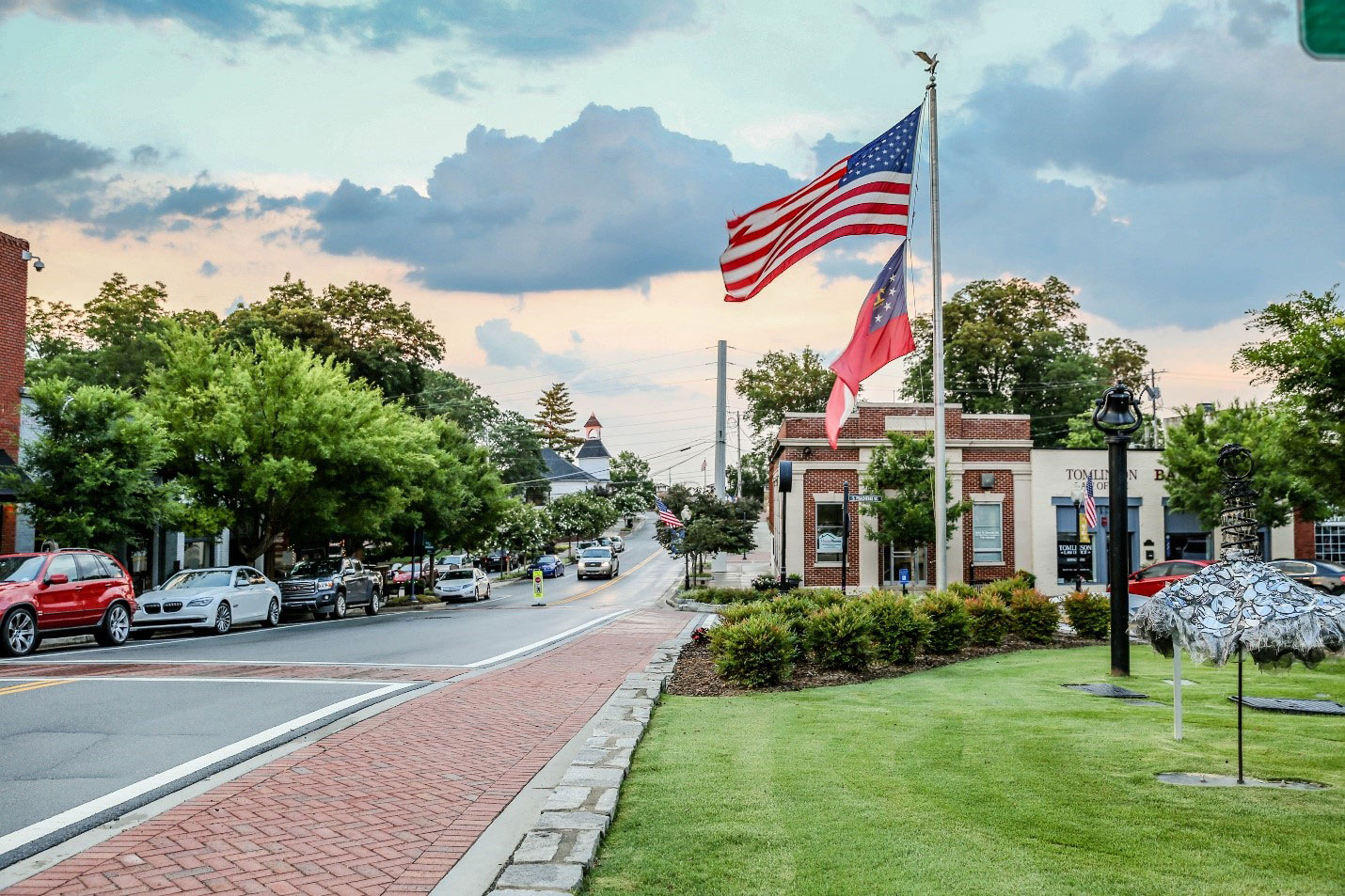
Norcross Position Within Atlanta's Northeast Suburban Corridor
The Duluth and Gwinnett area, including Norcross, forms one of four practical operating zones that define Atlanta trade show activity. While downtown Atlanta remains the flagship district due to the concentration of the Georgia World Congress Center, Centennial Olympic Park, and AmericasMart, the northeast corridor captures substantial corporate, association, and community event volume at facilities such as the Gas South Convention Center. Businesses based in Norcross therefore benefit from reduced transit times to these suburban venues while retaining reasonable access to downtown when participating in larger national exhibitions.
This dual-zone reality shapes exhibit planning. Designs must accommodate the more intimate scale and focused attendee profiles typical of northeast suburban events while scaling effectively for the expansive halls and diverse international audiences found downtown. Coordination resources focus on identifying these distinctions early, ensuring fabrication choices support both environments without requiring complete redesign between shows.
Operational detail centers on understanding venue load-in schedules, dock access variations, and electrical specifications that differ between suburban expo facilities and the downtown convention infrastructure. Planning documents prepared for Norcross clients routinely map these variables so exhibit programs maintain consistency even as they move between the northeast corridor and the core downtown cluster.
Coordinating Exhibits for Downtown Atlanta Flagship Venues
The Georgia World Congress Center stands as the cornerstone of Atlanta's downtown convention activity, supported by adjacent facilities at Centennial Olympic Park and the permanent showroom environment at AmericasMart. These venues generate the highest density of exhibit and activation demand, requiring stands that deliver immediate visual impact within large, column-free halls while supporting complex interactive elements for national audiences.
Planning from Norcross involves detailed review of the GWCC planning guide specifications for booth construction, hanging signs, and lighting requirements. Exhibits must be engineered for efficient assembly within tight move-in windows typical of major downtown rotations. Coordination includes pre-show renderings that verify compliance with venue guidelines while preserving the brand elements developed for the company's broader marketing objectives.
AmericasMart adds another layer of nuance through its permanent market showroom model. Exhibitors from the Norcross area often require hybrid solutions that function both as temporary trade show booths and as semi-permanent display environments capable of supporting multiple market weeks throughout the year. This demands fabrication approaches that balance portability with the refined aesthetic expected in the gift, apparel, and home furnishings sectors that dominate those shows.
Centennial Olympic Park activations introduce outdoor considerations including weather resistance, lighting for evening events, and integration with temporary structures that complement the park's open layout. Successful coordination translates these varied downtown requirements into unified exhibit programs that Norcross companies can deploy confidently across multiple downtown engagements.
Airport-Adjacent and Southside Venue Execution
The Georgia International Convention Center and Gateway Center Arena at College Park represent the airport corridor's contribution to Atlanta's trade show distribution. These venues leverage direct SkyTrain access from Hartsfield-Jackson Atlanta International Airport, making them preferred destinations for fly-in corporate meetings, medical conferences, and events where attendee convenience outweighs downtown density.
Exhibit coordination for these southside facilities emphasizes lightweight modular systems that reduce shipping costs for Norcross companies while meeting the GICC's specific floor plan and electrical distribution requirements. The venues' focus on functional rather than ornamental architecture allows for greater emphasis on interactive technology and demonstration areas rather than elaborate scenic elements.
Planning protocols include verification of crate dimensions against Gateway Center Arena's arena floor constraints when events combine exhibit space with stage presentations. This operational detail prevents common staging conflicts that arise when trade show components must share space with performance or general session setups.
Northwest Suburban and Cobb Venue Differentiation
The Cumberland and Cobb submarket, led by the Cobb Galleria Centre, serves a different segment of Atlanta demand characterized by regional association meetings, technology expos, and corporate training events. From a Norcross base, coordination involves balancing the shorter drive times to Gwinnett venues against the distinct attendee demographics found in the northwest corridor.
Exhibit systems planned for Cobb events often incorporate more private consultation areas and presentation theaters than those used in downtown environments. The venue's multi-level layout and adjacent hotel facilities create natural traffic flows that reward strategic placement of interactive zones near escalators and food service areas.
Fabrication decisions reflect these nuances. Materials chosen for northwest suburban deployment prioritize durability for frequent regional use while maintaining the professional appearance required when the same exhibit appears at a downtown GWCC show weeks later. This cross-zone compatibility represents a core planning competency for companies operating from Norcross.
Fabrication and Design Strategies Across Atlanta Zones
Stand fabrication for the Atlanta market has shifted toward engineered modularity that accommodates the distinct requirements of downtown, airport, Cobb, and Gwinnett venues. Custom aluminum framing systems with interchangeable skin panels allow Norcross companies to reconfigure footprints from 10x20 islands at Gas South to 40x60 peninsula layouts at the Georgia World Congress Center without sacrificing structural integrity or brand presentation quality.
Material selection protocols weigh factors beyond aesthetics. Carpet tiles specified for suburban venues must withstand the heavier foot traffic patterns seen at community-oriented Gwinnett events, while lighting arrays for downtown shows require dimmable LED systems capable of competing with the high ambient light levels in the GWCC halls. These operational specifications are documented during initial planning phases to prevent costly on-site modifications.
Digital integration follows similar zone-specific logic. Touchscreen configurations successful in the quieter corridors of AmericasMart require additional brightness and anti-glare treatments when deployed on the more brightly lit floors of suburban expo centers. Coordination resources maintain updated specifications for each major Atlanta venue to streamline these technology decisions.
Logistics and Calendar Optimization for Norcross Programs
Multi-event exhibit calendars originating from Norcross require sophisticated sequencing that accounts for storage transitions, refurbishment windows, and transportation routing between the northeast suburbs and venues spread across the metro area. Planning emphasizes predictive scheduling that builds in sufficient buffer time for unexpected delays at high-volume downtown load docks while preserving tight turnaround capabilities for Back to Back suburban shows.
Storage solutions must support both long-term archival of core exhibit components and short-term staging of refreshed graphics between events. The planning process maps these requirements against the annual Atlanta event calendar, identifying opportunities to combine shipments for Cobb and Gwinnett shows occurring in close proximity on the calendar.
Budget frameworks incorporate these logistical realities. Rather than treating each exhibition as an isolated expense, coordination identifies cost-sharing opportunities across related events in the same calendar quarter. This approach typically reveals opportunities to amortize custom fabrication investments across eight to twelve annual touchpoints spanning all four Atlanta operating zones.
Measuring Success and Refining Future Norcross Exhibit Strategy
Post-event evaluation completes the planning cycle for Norcross companies. Metrics extend beyond basic lead counts to include engagement duration, qualified opportunity conversion, and brand recall measurements that can be tracked consistently whether the exhibit appeared at a downtown flagship show or a northeast suburban community event.
Data collected across multiple Atlanta venues reveals patterns that inform future design decisions. For instance, interactive elements that drive strong engagement at Gas South may require scaling and repositioning to compete with the higher noise levels and faster walking speeds observed on the GWCC show floor. These insights are systematically documented to create progressively more effective exhibit programs year over year.
Long-term strategy development incorporates emerging trends in sustainability, digital integration, and experiential marketing while maintaining compatibility with existing Atlanta venue infrastructures. The planning resource role includes horizon scanning that prepares Norcross exhibitors for evolving requirements at both suburban and downtown facilities.
Questions
Frequently asked questions
Direct answers on timing, field leadership, and venue coordination for this Atlanta scope.
How does Norcross fit into Atlanta's four-zone trade show structure?
Norcross operates within the northeast suburban corridor alongside Duluth and Lawrenceville, providing efficient access to venues like Gas South Convention Center while maintaining connections to downtown flagship locations including the Georgia World Congress Center and AmericasMart. Planning focuses on bridging the distinct operational characteristics of these zones.
What venue types should Norcross companies prioritize in their exhibit calendars?
Successful programs typically balance participation across downtown convention centers for national exposure, airport-adjacent facilities for fly-in convenience, northwest suburban venues for regional association events, and northeast suburban locations for targeted corporate and community gatherings. Coordination ensures each appearance supports overall brand objectives.
Why does fabrication approach matter when exhibiting across multiple Atlanta zones?
Different venues impose varying requirements for booth height, loading procedures, electrical configurations, and lighting conditions. Modular fabrication systems engineered for cross-zone compatibility reduce costs and maintain brand consistency whether the exhibit is installed in a downtown hall or a suburban expo facility.
What distinguishes downtown Atlanta venues from northeast suburban facilities?
Downtown venues generate the deepest demand for large-scale exhibits and international buyer engagement, while northeast suburban venues capture strong corporate, association, and community event activity with more focused regional audiences. Exhibit strategy must address these audience and scale differences.
How should logistics be coordinated from a Norcross base?
Planning sequences transportation, storage, and installation timing to accommodate both short drives to Gwinnett venues and longer movements to downtown or airport locations. Calendar optimization identifies opportunities to combine shipments and minimize redundant handling across the annual event schedule.
What role does sustainability play in Atlanta exhibit planning?
Material selection and design choices increasingly emphasize reuse across multiple events in all four zones. Planning documents track amortization of custom components over successive shows while ensuring compliance with evolving venue environmental guidelines.
Related links