
Locations / Alpharetta GA Trade Show Booth Planning and Custom Exhibit Coordination
Alpharetta GA Trade Show Booth Planning and Custom Exhibit Coordination
Strategic guidance for companies in Alpharetta developing high-performance trade show stands optimized for Atlanta's distributed convention zones and suburban expo facilities.
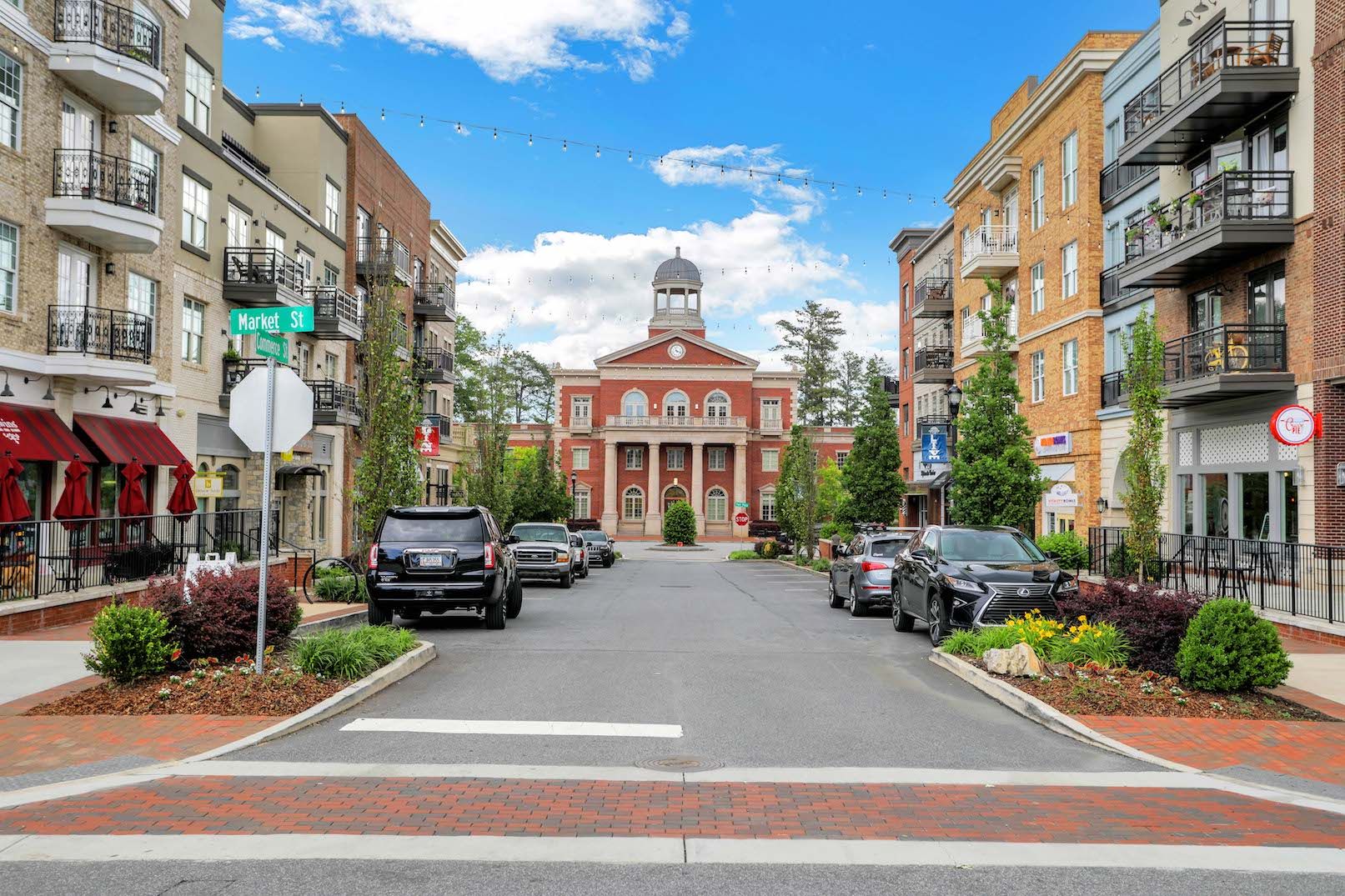
Alpharetta's Strategic Role in Atlanta's Four-Zone Trade Show Ecosystem
The Atlanta trade show demand landscape operates across four distinct practical zones rather than concentrating exclusively downtown. Downtown Atlanta remains the flagship district where the Georgia World Congress Center, Centennial Olympic Park, and AmericasMart generate the highest density of exhibit halls, buyer showrooms, and large-scale activations. This core area draws national and international audiences that require stands engineered for high traffic, extended hours, and complex technical integrations.
Alpharetta's northern location positions companies advantageously for the Duluth and Gwinnett segment of the northeast corridor. Venues in this zone, including the Gas South Convention Center, typically host corporate meetings, association gatherings, and community-oriented events that favor targeted networking and regional decision-makers. Stands planned for these environments benefit from slightly more intimate scales, modular components that facilitate quick setup, and messaging tuned to Southeast-specific industry verticals.
The airport and College Park corridor, led by the Georgia International Convention Center and Gateway Center Arena, emphasizes fly-in convenience through direct ATL SkyTrain access. Exhibits destined for this zone must accommodate tighter turnaround schedules and logistics that align with air travel patterns. Meanwhile, the Cumberland and Cobb submarket serves a complementary corporate and association base with its own facility requirements. Successful Alpharetta exhibitors develop master plans that allow one core stand design to be adapted across all four zones while preserving brand integrity.
This distributed reality demands early-stage mapping of participation calendars, audience profiles, and venue specifications. Planning at this level prevents last-minute redesigns and ensures every element from graphics to structural load ratings matches the specific environment where the stand will deploy.
Custom Stand Design Optimized for Alpharetta Corporate Identities
Companies headquartered in Alpharetta frequently emphasize innovation, precision engineering, and digital fluency in their market positioning. Exhibit designs therefore integrate interactive technology, clean modular lines, and high-resolution graphics that reflect these brand values without compromising functionality under show-floor conditions. The planning process evaluates sight lines, power requirements, and data connectivity needs unique to each target venue.
Stands intended for the downtown flagship venues must accommodate heavier visitor volumes and longer operating days typical of GWCC and AmericasMart events. In contrast, northeast corridor shows at Gas South often allow for more consultative environments where demonstration areas and semi-private meeting spaces increase engagement quality. Coordination resources help calibrate these differences during the initial design phase rather than after fabrication.
Material selections receive particular attention because Alpharetta companies commonly schedule multiple appearances within a single fiscal year. Lightweight yet durable substrates, tool-free connection systems, and finishes that resist shipping wear enable the same stand to move between suburban expo halls and downtown convention centers with minimal refurbishment. Graphic packages are designed as layered components so messaging can be refreshed without rebuilding the entire structure.
Lighting, digital overlays, and sustainable elements are evaluated against the specific lighting conditions and sustainability guidelines published by each venue cluster. This detailed matching process ensures the stand performs at peak visibility and compliance whether deployed at an intimate Gwinnett event or a high-profile downtown activation.
Venue-Specific Coordination Across Atlanta Market Clusters
The Georgia World Congress Center serves as the region's primary convention engine, supported by adjacent Centennial Olympic Park and the expansive AmericasMart campus. Planning for these venues requires precise adherence to published load-in schedules, ceiling height restrictions, and electrical specifications detailed in official planning guides. Stands must be engineered to maximize presence within large halls while allowing smooth attendee circulation.
Northeast suburban facilities such as the Gas South Convention Center operate on schedules and scale expectations better suited to regional audiences. Coordination from an Alpharetta base benefits from shorter delivery windows, yet still requires the same attention to floor plans, rigging points, and emergency egress rules. The planning resource maps these requirements Side by Side so exhibitors can forecast labor, shipping, and storage variables accurately.
Airport-adjacent venues like GICC and Gateway Center Arena emphasize convenience for national attendees arriving through Hartsfield-Jackson. Exhibits planned for these locations prioritize quick assembly sequences and compact crate dimensions that align with SkyTrain and hotel proximity. Cobb County venues introduce yet another layer of differentiation focused on association-driven programming and community events.
A unified coordination framework prevents duplication of effort. By documenting the distinct technical riders, move-in timelines, and post-show teardown protocols for each cluster, Alpharetta companies maintain consistency while optimizing budget across their annual event calendar.
Logistics and Timeline Management for Multi-Zone Participation
Effective timeline construction begins twelve to eighteen months ahead of flagship downtown events and six to nine months ahead of suburban corridor dates. This staggered planning accounts for fabrication lead times, proofing cycles, and the need to preview stands at Alpharetta headquarters before final transport. Coordination resources maintain master calendars that flag overlapping requirements across zones.
Shipping and drayage patterns differ markedly between downtown Atlanta and suburban venues. The Georgia World Congress Center and AmericasMart operate within dense urban logistics environments that impose specific carrier and union protocols. Gas South and Cobb facilities allow slightly more flexible delivery windows yet still require accurate advance registration of exhibit dimensions and weights.
Storage and refurbishment between shows represent another critical variable. Planning models incorporate off-season maintenance schedules so graphic updates, structural inspections, and technology upgrades occur without disrupting the exhibit calendar. This approach supports the repeated-use philosophy that delivers strongest return for companies operating across the full Atlanta market.
Contingency windows are built into every timeline to accommodate unexpected changes in show dates or venue assignments. Regular checkpoint reviews ensure alignment between marketing objectives, creative deliverables, and operational realities at each target facility.
Fabrication Standards Supporting Atlanta-Wide Deployments
Fabrication partners are selected according to their ability to meet the technical specifications published by the Georgia World Congress Center, GICC, and Gas South Convention Center. Structural integrity, flame retardancy, and portability receive equal weight because the same stand may be required to perform in 10 by 20 foot suburban booths one month and 30 by 50 foot downtown island configurations the next.
Sustainable materials and modular hardware systems have become baseline expectations across all Atlanta venues. Planning guidance evaluates Cradle to Cradle options that satisfy both corporate ESG targets common among Alpharetta firms and the specific green policies posted by individual convention centers. Digital fabrication techniques allow precise replication of components should expansion or replacement become necessary.
Quality assurance protocols include pre-shipment mock-ups, load testing, and on-site supervision checklists tailored to each zone. These steps reduce the probability of last-minute adjustments that erode budget and schedule margins. The resulting stands maintain visual impact and functional reliability whether installed at AmericasMart during a busy market week or at Gas South for a regional industry gathering.
Post-event evaluation data informs iterative improvements to fabrication details. Minor adjustments to connection points, graphic attachment methods, or lighting mounts accumulate into meaningful performance gains over multiple show cycles.
Budget Frameworks and ROI Measurement for Alpharetta Exhibitors
Comprehensive budgeting for Atlanta-area exhibiting allocates resources across design, fabrication, transportation, venue services, and post-show analytics rather than concentrating solely on the physical stand. Alpharetta companies benefit from models that amortize custom fabrication costs across multiple events in the downtown, northeast, airport, and Cobb zones.
Return-on-investment protocols track both quantitative metrics such as lead volume and qualitative outcomes such as brand sentiment captured through on-site surveys. Venue-specific benchmarks allow comparison between the deeper national audiences at the Georgia World Congress Center and the more focused regional decision-makers typical of Gas South or Cobb events.
Cost-containment strategies include reusable structural cores paired with seasonal graphic refreshes, shared warehousing options within the Atlanta logistics network, and consolidated shipping routes that serve multiple shows under single contracts. These approaches preserve capital while maintaining premium presentation standards.
Annual reviews reconcile actual expenditures against planned budgets and documented outcomes. Insights gained inform the following year's participation calendar, stand specifications, and messaging priorities to ensure continuous alignment with evolving corporate objectives in the Alpharetta market.
Integrating Downtown Flagship and Suburban Opportunities
Many Alpharetta organizations schedule a mixed calendar that includes both high-visibility downtown appearances at the Georgia World Congress Center or AmericasMart and targeted regional events at Gas South or Cobb facilities. The planning resource helps craft a unified brand platform that scales appropriately while preserving core visual and messaging DNA.
Downtown shows demand larger footprints, advanced audiovisual integration, and theater-style presentation areas to compete for attention within dense exhibit halls. Suburban corridor events allow deeper One on One consultations and product demonstrations in more relaxed settings. Designing a core modular system with interchangeable components satisfies both environments without forcing separate builds.
Audience expectations also vary. National buyers at flagship venues respond to broad industry leadership positioning, whereas regional audiences at northeast and northwest suburban venues seek practical solutions and immediate relationship building. Messaging hierarchies and demonstration sequences are therefore planned with these differences in mind from the earliest concept stages.
Questions
Frequently asked questions
Direct answers on timing, field leadership, and venue coordination for this Atlanta scope.
How does Alpharetta's location influence trade show stand planning for Atlanta events?
Alpharetta's northern position aligns closely with the Duluth-Gwinnett northeast corridor and the Gas South Convention Center while still permitting practical access to downtown flagship venues, the airport corridor, and Cobb County facilities. Planning therefore focuses on modular designs and logistics timelines that flex efficiently across these four distinct operating zones.
What are the primary Atlanta trade show zones that Alpharetta companies should consider?
Atlanta's trade show demand operates across downtown led by the Georgia World Congress Center, Centennial Olympic Park, and AmericasMart; the airport and College Park corridor with GICC and Gateway Center Arena; the Cumberland and Cobb submarket; and the northeast Duluth-Gwinnett corridor. Each zone presents different audience profiles, scale expectations, and operational requirements.
How far in advance should Alpharetta companies begin exhibit planning?
Flagship downtown events at venues such as the Georgia World Congress Center typically require twelve to eighteen months of lead time, while northeast suburban events at facilities like Gas South benefit from six to nine months of preparation. Master calendars that coordinate both schedules deliver the strongest outcomes.
Should stands be designed differently for downtown versus suburban Atlanta venues?
Core structural elements remain consistent, but scale, technology density, and messaging are adjusted to match audience expectations. Downtown flagship halls favor larger footprints and high-impact AV, whereas suburban northeast and Cobb events often prioritize consultative spaces and targeted regional solutions.
What fabrication factors matter most for repeated use across Atlanta zones?
Durability under multiple shipping cycles, tool-free modularity, compliance with each venue's published flame retardancy and load ratings, and layered graphic systems that permit cost-effective updates between events. These standards ensure long-term performance whether the stand appears at AmericasMart or Gas South.
How can companies measure ROI on exhibits coordinated from Alpharetta?
Tracking combines quantitative lead volume and qualified meetings with qualitative brand sentiment and follow-up conversion data. Benchmarks are segmented by zone so performance at downtown national shows can be compared against regional outcomes at northeast suburban venues.
Related links