
Industries / Logistics and Supply Chain Trade Show Services Atlanta
Logistics and Supply Chain Trade Show Services Atlanta
Atlanta stands as a pivotal hub for logistics and supply chain trade shows, where exhibitors leverage the city's spread of convention facilities to showcase innovations in transportation, warehousing, inventory management, and global distribution networks amid a landscape defined by four distinct operating zones.
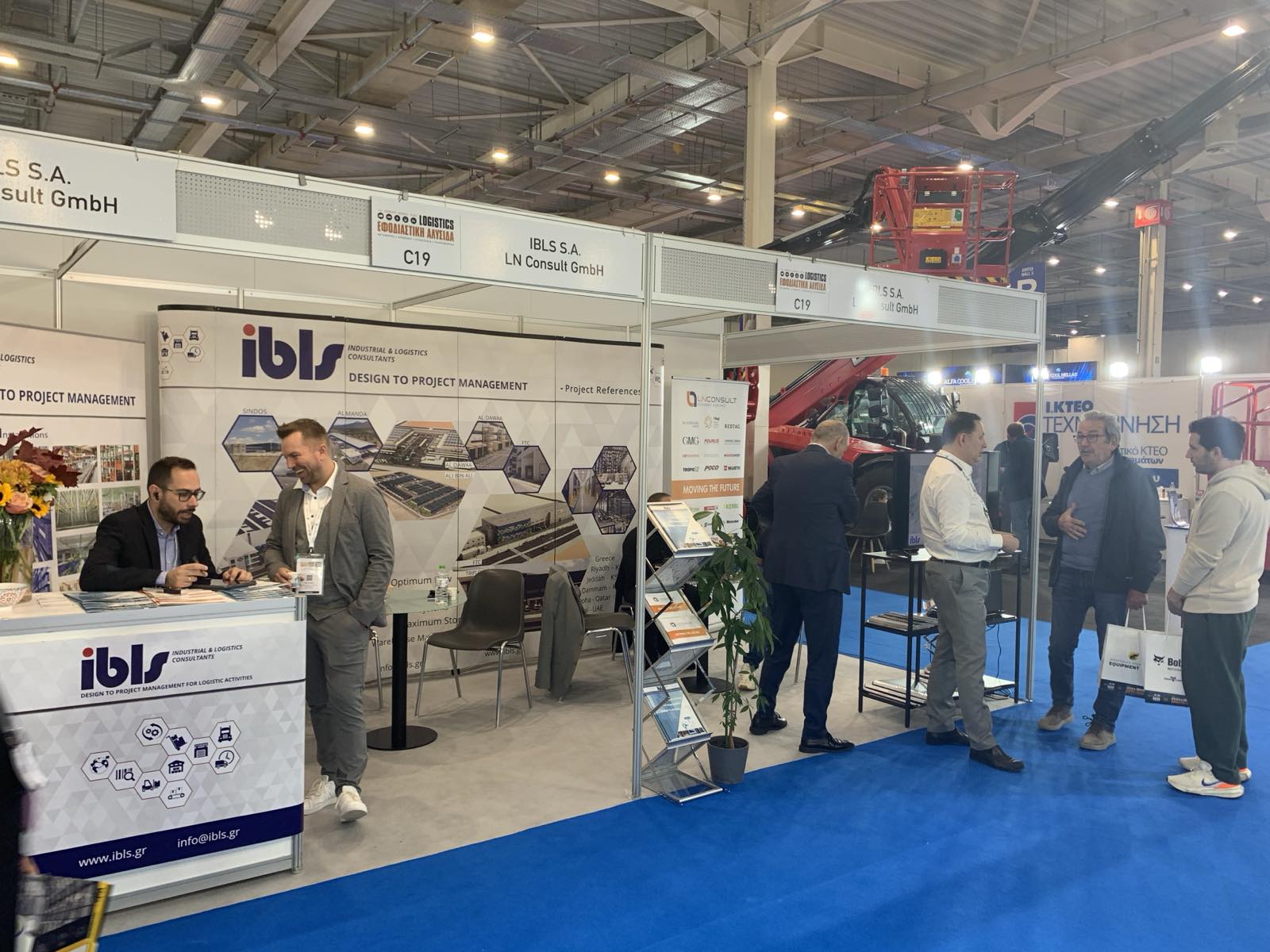
Mastering Downtown Atlanta's Convention Powerhouse for Supply Chain Showcases
Georgia World Congress Center serves as the cornerstone of Atlanta's trade show infrastructure, particularly for logistics and supply chain events that demand vast exhibit halls capable of accommodating oversized freight models, container simulations, and multi-vendor integration demos. Planners must account for the venue's capacity to host simultaneous large conventions, where booth positioning near high-traffic concourses allows supply chain exhibitors to intercept decision-makers en route to keynotes on topics like last-mile delivery optimization and blockchain traceability. Centennial Olympic Park complements this by offering outdoor activation space for real-world logistics scenarios, such as drone delivery mockups or electric vehicle fleet displays, drawing public and professional footfall during peak convention seasons.
AmericasMart Atlanta extends the downtown appeal with its market-week format, ideal for ongoing buyer-showroom interactions where logistics firms showcase vendor management platforms and third-party logistics solutions over multi-day cycles. Coordination here involves sequencing booth builds to align with permanent showroom rhythms, ensuring supply chain stands feature durable shelving for product samples like packaging materials and IoT sensors, while maintaining clear sightlines for demonstrations of route optimization software amid the venue's multi-building layout.
Leveraging Airport Proximity for International Logistics Conferences
The Georgia International Convention Center in College Park capitalizes on its ATL SkyTrain linkage, positioning it as a prime venue for fly-in logistics trade shows where international attendees arrive smoothly to explore air freight innovations and cross-border compliance tech. Booth planning emphasizes quick-setup modular stands that reflect the efficiency of airport operations, with open-front designs facilitating rapid ingress of demo units such as customs clearance kiosks and global tracking dashboards, all while navigating the venue's focus on fast-turn meeting programs.
Adjacent Gateway Center Arena @ College Park adds versatility for hybrid events blending sports-adjacent activations with supply chain forums, where stands incorporate dynamic lighting to highlight real-time analytics from warehouse management systems. Coordinators focus on compact footprints that maximize the arena's flexible spacing, ensuring logistics exhibitors can deploy touch-screen route planners and sustainability metrics displays without impeding adjacent seating transitions.
Northwest Suburban Precision at Cobb Convention Center
Cobb Convention Center in the Cumberland submarket addresses the corporate and regional trade show segment, where logistics firms target mid-sized audiences with tailored exhibits on regional distribution hubs and fleet management software. The venue's ballroom-driven programs necessitate stands with retractable partitions for configurable demo areas, allowing smooth shifts from carrier negotiations to inventory forecasting sessions, all within northwest Atlanta's accessible footprint.
Planning here stresses integration with local corporate calendars, crafting booths that echo the precision of suburban warehousing through sleek, metallic frameworks displaying throughput metrics and carrier alliance graphics. This setup supports association events where supply chain professionals convene for targeted networking, unburdened by downtown congestion.
Northeast Corridor Opportunities in Duluth and Gwinnett
Gas South Convention Center in the Duluth and Gwinnett corridor captures northeast suburban demand for community and association logistics expos, offering ample hall space for exhibits centered on e-commerce fulfillment and cold chain technologies. Coordinators tailor stands to the venue's regional draw, incorporating regional mapping visuals that tie Atlanta's logistics prowess to surrounding distribution centers, with emphasis on durable flooring for heavy equipment rollouts like automated guided vehicles.
This zone's growth in corporate gatherings prompts booth designs with expandable bays for collaborative sessions on reverse logistics and returns processing, ensuring exhibits remain agile amid varying event scales from intimate roundtables to full-floor trade floors.
Turnkey Coordination Across Atlanta's Venue Zones
Effective logistics trade show participation in Atlanta requires synchronized planning across downtown, airport, northwest, and northeast zones, where a single event portfolio might span GWCC flagship halls one week and Cobb regional setups the next. This demands unified booth templates that scale from AmericasMart's showroom endurance to GICC's rapid-turn efficiency, incorporating standardized power grids for always-on supply chain simulators regardless of venue electrical specs.
Coordinators orchestrate timelines aligning freight deliveries with SkyTrain schedules at airport sites and MARTA access downtown, while buffering suburban dismantle overlaps to recycle stand elements like modular walls emblazoned with universal logistics branding. Such cross-zone mastery ensures exhibitors maintain consistent messaging on supply chain resilience amid disruptions, from port delays to inland routing.
The planning process begins with zone-specific audits—evaluating GWCC's convention depth against Gas South's association flexibility—culminating in master schedules that preempt common pitfalls like hall closure transitions or activation permitting variances.
Visualizing Supply Chain Dynamics in Exhibit Formats
Logistics booths excel when they transform abstract supply chain concepts into tangible exhibits, using Atlanta venues' spacious layouts to deploy Floor to Ceiling timelines tracing goods from origin to consumer. At venues like Centennial Olympic Park, these evolve into participatory installations where attendees manipulate digital twins of distribution networks, fostering discussions on bottleneck resolutions amid public activations.
In convention centers such as GWCC or GICC, layered shelving units house physical analogs—scaled pallets, sensor arrays, RFID gates—interlinked with overhead projections of real-time data flows, compelling procurement leads to envision partnerships. AmericasMart's prolonged showroom hours suit endurance-tested displays with rotating content loops on predictive analytics, keeping supply chain narratives fresh over market weeks.
Networking Optimization Through Strategic Booth Layouts
Atlanta's venue diversity amplifies networking for logistics professionals, with booth layouts engineered to channel conversations toward high-value exchanges on carrier contracts and tech integrations. Downtown clusters like GWCC position open lounges facing main aisles, inviting carriers and 3PLs to collaborate over coffee-height counters displaying tariff calculators and lane profitability tools.
Airport venues prioritize speed with perimeter clustering for quick-hit meetings, while suburban halls like Cobb facilitate roundtable pods within stands, accommodating group dives into RFP responses or vendor scorecards. Cross-zone consistency in these elements builds exhibitor reputation as accessible thought leaders in Atlanta's logistics ecosystem.
Questions
Frequently asked questions
Direct answers on timing, field leadership, and venue coordination for this Atlanta scope.
Which Atlanta venues are best for large logistics conventions?
Georgia World Congress Center and AmericasMart Atlanta in downtown excel for flagship exhibits and market weeks, while Georgia International Convention Center suits fly-in crowds with SkyTrain access.
How do airport venues benefit supply chain exhibitors?
Proximity to ATL via SkyTrain at GICC and Gateway Center Arena streamlines international attendance, ideal for demos of global freight and tracking solutions with minimal travel friction.
What role do suburban centers play in logistics events?
Cobb Convention Center handles corporate regionals with ballroom flexibility, and Gas South in Gwinnett supports association expos in the northeast corridor.
What exhibit elements highlight supply chain innovations?
Interactive models, flow diagrams, and demo zones for tech like RFID and analytics, scaled to venue halls from Centennial Park activations to Cobb ballrooms.
Why emphasize turnkey planning for Atlanta trade shows?
The city's zone-split demand—from downtown clusters to airport and suburbs—requires integrated strategies ensuring smooth execution without venue silos.
Related links