
Capabilities / Registration and Attendee Experience Coordination for Atlanta Trade Shows
Registration and Attendee Experience Coordination for Atlanta Trade Shows
Orchestrating smooth registration flows and immersive attendee journeys across Atlanta's dynamic convention landscape ensures exhibitors capture maximum engagement from diverse crowds at venues like the Georgia World Congress Center, AmericasMart, and Georgia International Convention Center.
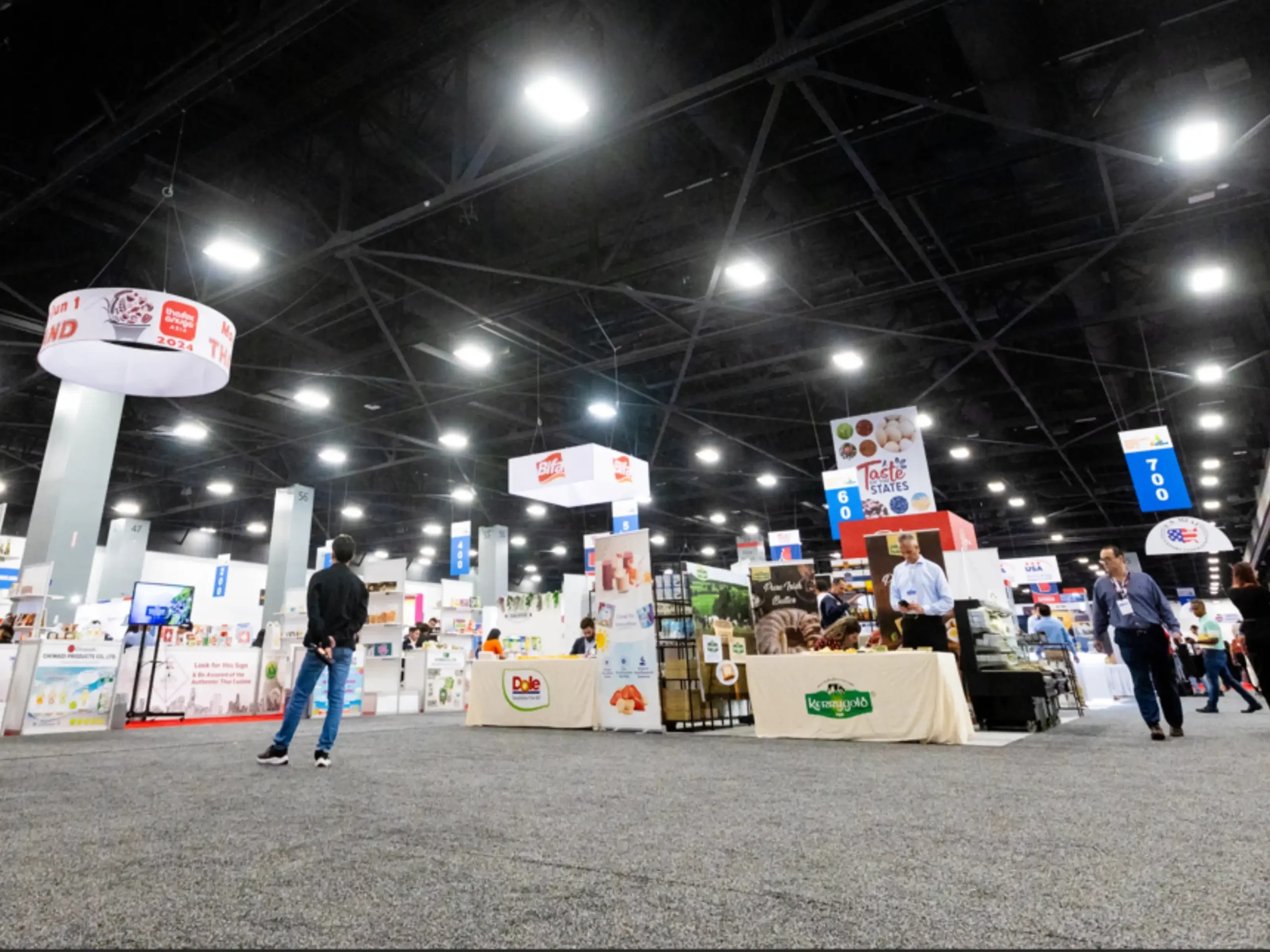
Digital Registration Systems Tailored to Atlanta's Venue Diversity
Deploying robust digital registration platforms forms the backbone of attendee management in Atlanta, where events range from massive conventions at Georgia World Congress Center to niche gatherings at Gateway Center Arena. These systems handle pre-event sign-ups via mobile-optimized portals that capture essential data like dietary needs, session preferences, and exhibit interests, syncing smoothly with exhibit stand lead capture tools. For downtown shows, integration with GWCC's digital ticketing ensures compatibility with their infrastructure, reducing on-site friction for attendees arriving via MARTA or rideshare to Centennial Olympic Park.
Capacity planning within these platforms anticipates volume spikes, such as during AmericasMart's semi-annual markets when thousands of buyers register across multiple buildings. Automated confirmations and QR code generation facilitate quick scans at entry, while API connections to venue apps provide real-time updates on hall openings or shuttle timings between Georgia World Congress Center and adjacent parks. This setup minimizes wait times in high-density zones, allowing exhibitors to focus on stand interactions rather than registration overflows.
Customization extends to event-specific branding, embedding show logos and sponsor messages into confirmation emails that prime attendees for the full experience. In airport corridors like College Park, platforms incorporate flight-linked scheduling to stagger arrivals, preventing bottlenecks at Georgia International Convention Center's SkyTrain-adjacent entrances.
On-Site Check-In and Badge Management Protocols
On-site check-in operations demand meticulous staging across Atlanta's zones, starting with kiosk deployments scaled to expected footfall at venues like Cobb Convention Center's ballroom-driven programs. Staff briefing protocols outline verification workflows, from scanning pre-issued QR codes to handling walk-ins with backup printing stations positioned near primary entrances. At Georgia World Congress Center, multiple kiosks distribute load across lobbies connected to exhibit halls, accommodating the venue's phased build schedules.
Badge designs prioritize scannability and durability for multi-day events, incorporating RFID chips for cashless transactions at concession areas near Centennial Olympic Park or AmericasMart showrooms. Queue mitigation includes dedicated express lanes for VIPs and pre-verified groups, with dynamic signage directing flows based on real-time crowd data. For suburban shows, compact check-in hubs integrate with parking validation systems, smoothing transitions from lots to event spaces.
Contingency measures address peak-hour surges, such as deploying tablet-based floating stations during GICC fly-in conferences, ensuring no attendee lingers beyond five minutes before accessing exhibits. Post-check-in, heat-mapping tools track movement patterns to refine future layouts.
Attendee Navigation and Wayfinding in Multi-Zone Environments
Navigation planning harnesses Atlanta's venue clusters by creating unified wayfinding schemas that bridge Georgia World Congress Center's internal concourses with external paths to Centennial Olympic Park. Interactive maps distributed via registration apps highlight exhibit zones, rest areas, and shuttle routes, with color-coded paths differentiating general traffic from VIP access. Downtown's density necessitates elevated signage visible over crowds, directing to AmericasMart's distinct market floors.
In the airport corridor, wayfinding accounts for SkyTrain transfers at Georgia International Convention Center, with ground-level markers guiding from platforms to halls and Gateway Center Arena's arena-adjacent spaces. Suburban strategies at Cobb Convention Center emphasize Parking to Ballroom arrows, incorporating digital totems for last-minute hall changes. This layered approach reduces disorientation, increasing time spent in high-engagement exhibit areas.
Feedback loops from prior events inform refinements, such as adding braille overlays and audio beacons for accessibility across all zones. Integration with exhibit stand locations ensures prominent booth markers within the broader flow.
Enhancing Engagement Through Integrated Experience Zones
Experience zones activate post-registration by funneling attendees into curated paths that spotlight key exhibits amid Atlanta's varied show formats. At Georgia World Congress Center, zones sequence high-impact stands near refreshment hubs, leveraging natural traffic from lobbies to halls. Registration data informs personalized route suggestions, nudging visitors toward matched interests during AmericasMart buyer circuits.
Airport events benefit from compact activation loops at GICC, where quick-scan badges open up digital challenges tied to Gateway Center Arena activations. Suburban programs at Cobb Convention Center use ballroom perimeters for networking pods, extending attendee dwell through gamified navigation. These designs convert passive movement into active interactions, amplifying stand ROI.
Sustainability elements like digital-only materials align with venue policies, while lounge integrations provide recharge points mapped from check-in.
Data Analytics and Personalization for Atlanta Audiences
Analytics from registration platforms dissect attendee behaviors across zones, revealing patterns like peak downtown flows at GWCC versus steady suburban paces at Cobb. Dashboards track conversion from check-in to stand visits, enabling mid-show tweaks like additional signage. Personalization layers apply segmentation for tailored app pushes, boosting uptake among repeat AmericasMart visitors.
Post-event reporting aggregates dwell times and feedback, benchmarking against benchmarks from GICC fly-ins or Centennial Park publics. Predictive modeling forecasts future volumes, refining capacity for multi-zone rollouts. This data-centric oversight elevates experience quality consistently.
Compliance with privacy standards ensures secure handling, vital for association shows spanning Atlanta's corridors.
Accessibility and Compliance in Attendee Journey Planning
Accessibility embeds into every stage, from digital forms compliant with WCAG at pre-registration to ramped kiosks at Georgia World Congress Center entries. Quiet zones map near check-ins for sensory needs, with ASL interpreters rostered for high-profile events. Venue-specific audits confirm ADA paths from SkyTrain at GICC to ballroom levels at Cobb.
Health protocols integrate contactless options, aligning with post-pandemic norms across Atlanta venues. Emergency egress drills sync with wayfinding, ensuring clear routes in crowded AmericasMart halls. This inclusive framework broadens appeal to diverse audiences.
Ongoing training modules standardize protocols for coordinators.
Questions
Frequently asked questions
Direct answers on timing, field leadership, and venue coordination for this Atlanta scope.
How does registration planning differ across Atlanta's convention zones?
Downtown clusters like GWCC and AmericasMart require distributed high-volume kiosks and inter-venue shuttles, while airport zones at GICC emphasize SkyTrain-timed staggering, and suburban Cobb setups focus on parking-integrated compact hubs.
What technologies enhance attendee navigation in multi-hall venues?
QR-linked apps with interactive maps, RFID badges for real-time tracking, and dynamic digital signage provide smooth guidance from check-in through exhibit zones at venues like Georgia World Congress Center.
How is personalization achieved in attendee experiences?
Registration data fuels segmented app notifications and route suggestions, tailoring journeys for buyer types during AmericasMart markets or corporate events at Gateway Center Arena.
What measures ensure accessibility compliance?
WCAG digital standards, physical ramps, quiet areas, and ASL support integrate throughout, audited against each venue's specs from Centennial Park to Cobb Convention Center.
How do analytics improve future events?
Post-show reports on dwell times, conversions, and feedback benchmark performances across zones, informing capacity and flow optimizations for subsequent Atlanta programs.
Can registration integrate with exhibit lead capture?
Yes, synced platforms enable badge scans at stands for unified data, streamlining from GICC check-in to GWCC booth interactions.
Related links