Locations / Smyrna GA Trade Show Exhibit Planning for the Cumberland Corridor
Smyrna GA Trade Show Exhibit Planning for the Cumberland Corridor
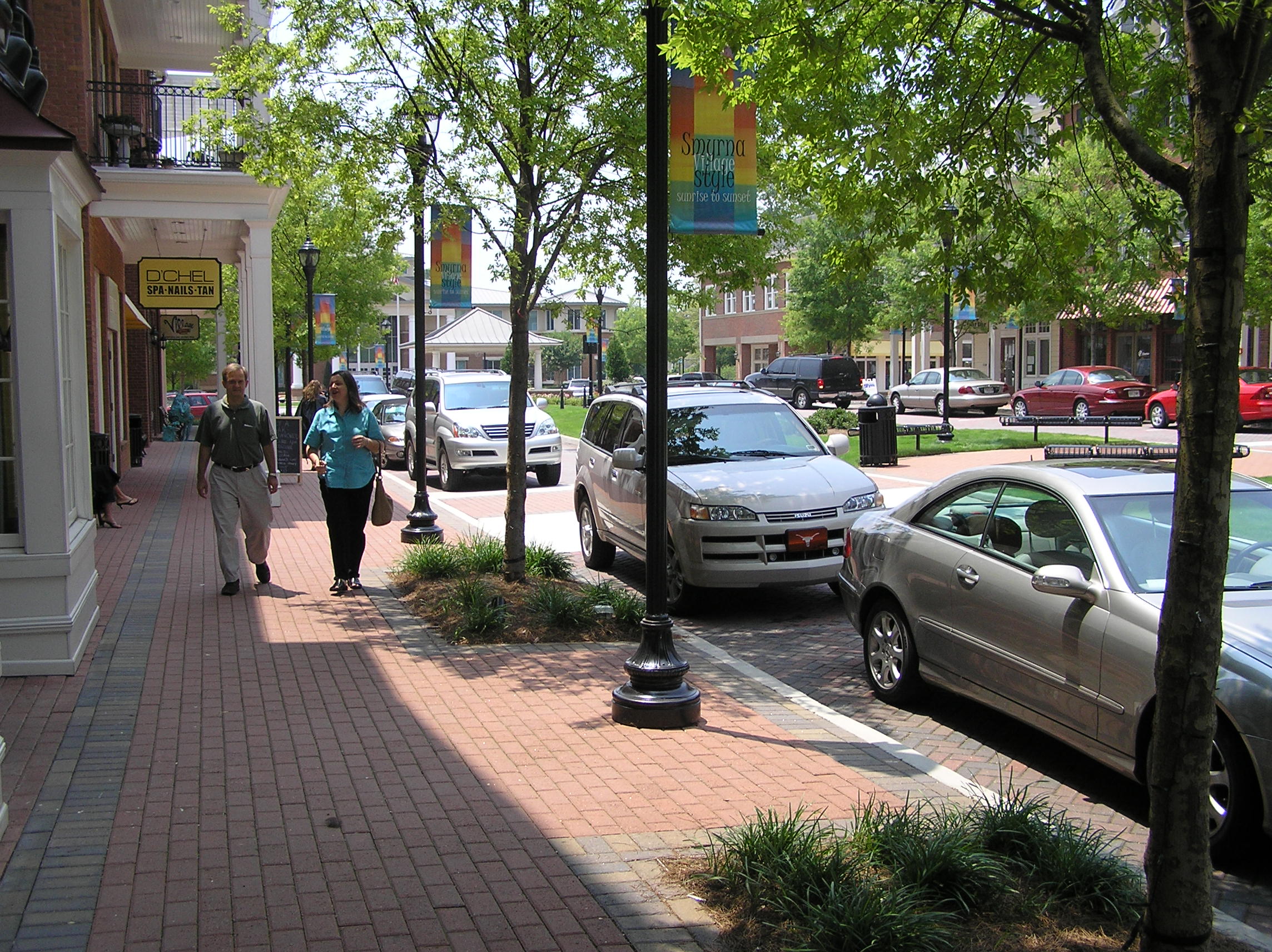
Smyrna occupies a strategic position in Atlanta’s northwest trade show zone, where the Cumberland and Cobb County submarket draws corporate, association, and regional events distinct from downtown convention density or airport-adjacent fly-in convenience.
Smyrna’s Role in Atlanta’s Northwest Trade Show Zone
The Cumberland/Cobb submarket forms one of four practical divisions that define how trade show activity functions across greater Atlanta. While downtown Atlanta concentrates high-volume international and gift market demand around the Georgia World Congress Center, Centennial Olympic Park, and AmericasMart, the northwest corridor addresses needs of corporate offices, regional associations, and community-focused organizers who value perimeter accessibility and reduced urban congestion.
Smyrna sits at a logistical crossroads in this zone, positioned near major interstate junctions that facilitate efficient movement of exhibit materials from Atlanta-wide fabrication resources. This placement supports participation in events that typically run on tighter schedules than flagship downtown conventions, requiring precise coordination of delivery, installation, and dismantling to align with facility rules and attendee patterns.
Exhibitors targeting Smyrna and adjacent Cobb communities benefit from understanding how this submarket’s events emphasize relationship-building over spectacle. Booths succeed here when they create inviting consultation spaces rather than expansive theatrical presentations, reflecting the consultative nature of audiences traveling from surrounding business districts.
Operational Distinctions Between Suburban and Downtown Atlanta Venues
Suburban facilities in the Cobb submarket typically present single-level configurations with surface-level loading access, contrasting with the multi-floor, skywalk-connected layouts common in downtown Atlanta. This structural difference influences booth engineering, electrical planning, and material handling, allowing for designs that can incorporate larger freestanding elements without complex rigging.
Parking availability in the northwest corridor produces more consistent daily attendance patterns instead of the sharp morning and evening peaks seen at downtown campuses. Exhibitors should therefore distribute interactive elements and staffing across the full show day rather than concentrating resources during narrow windows.
Venue specifications in this zone often include higher clear heights and column grids that require early review during design development. Coordination with partners familiar with these parameters prevents on-site modifications that disrupt event schedules or compromise structural integrity.
Fire code compliance and utility drop locations also vary from downtown standards, making pre-event verification of floor plans essential for avoiding last-minute adjustments to graphics, lighting, or technology integration.
Exhibit Design Approaches Optimized for Smyrna-Area Audiences
Corporate and association attendees drawn to Cobb corridor events tend to allocate more time per booth than high-traffic downtown market buyers. Designs should therefore prioritize comfortable seating areas, clear sight lines for product demonstration, and technology that supports detailed presentations without overwhelming the space.
Modular construction offers particular value in the northwest submarket, where exhibitors frequently participate in shows of varying scale throughout the year. A core system can be reconfigured with zone-specific graphic skins and accessories, maintaining visual consistency across Smyrna events, Marietta expos, and occasional downtown activations.
Lighting plans must account for abundant natural light entering many suburban halls, which can wash out poorly calibrated digital displays or create glare on reflective surfaces. Similarly, graphic scale should match the more open layouts typical of Cobb venues rather than the tighter aisles found in denser downtown environments.
Durability remains critical given the drive-in nature of many attendees who may interact physically with displays. Materials selected for the Smyrna market benefit from proven resistance to frequent handling while still allowing for rapid refurbishment between events in the broader Atlanta rotation.
Logistics Coordination Across the Cumberland Corridor
Interstate access via I-285 and I-75 creates both opportunities and timing constraints for material movement into Smyrna-area venues. Coordination teams must map delivery routes against peak commuter hours to ensure exhibits arrive within approved load-in windows, particularly for mid-week corporate events that coincide with regular business traffic.
Storage and refurbishment programs gain importance for companies active across Atlanta’s multiple zones. A single Atlanta-coordinated inventory can support sequential appearances in Smyrna, downtown, and airport-adjacent facilities, reducing fabrication frequency while ensuring brand elements remain current and compliant with each venue’s regulations.
Technology integration requires advance confirmation of bandwidth and power availability, which can differ between suburban expo halls and downtown convention infrastructure. Planning these elements early allows smooth incorporation of lead retrieval, interactive screens, and hybrid event capabilities that many northwest organizers now expect.
Timeline development should begin with venue-specific floor plans and work backward to fabrication milestones, allowing buffer for potential weather-related delays on perimeter highways that serve the Cobb submarket.
Integration Strategies for Multi-Zone Atlanta Exhibit Programs
Smyrna-based companies or those targeting the northwest corridor rarely limit participation to a single submarket. Successful programs develop a foundational exhibit architecture that adapts efficiently to downtown density, airport convenience, Cobb suburban pacing, and Gwinnett community events.
Graphic and messaging hierarchies can be adjusted per zone while preserving core brand assets. What reads effectively under the bright daylight of a Cobb facility may need higher contrast or different scale when deployed within the controlled lighting of the Georgia International Convention Center or AmericasMart showrooms.
Budget allocation benefits from zone-specific forecasting. Suburban events in the Cumberland area often deliver strong ROI through deeper conversations and regional lead quality, allowing exhibitors to balance investment between high-visibility downtown presence and targeted northwest activations.
Performance tracking should employ consistent metrics adjusted for each corridor’s characteristics, enabling data-driven refinements that improve outcomes across the full Atlanta ecosystem.
Venue Considerations Specific to Northwest Atlanta Facilities
The Cobb Convention Center and affiliated northwest venues capture demand for events that balance professional focus with practical attendee convenience. These facilities typically feature expansive exhibit floors that accommodate both inline and island configurations without the vertical constraints of multi-level downtown buildings.
Planners should examine detailed floor plans for column placement, utility grids, and ceiling heights that directly influence viable booth footprints and hanging sign policies. Early engagement with these specifications prevents redesign during tight suburban installation schedules.
Many events in this corridor incorporate educational programming alongside exhibits, creating opportunities for booths positioned near session rooms or high-traffic corridors. Coordination of booth placement with overall event flow maximizes exposure during peak educational hours.
Hybrid formats are increasingly common, requiring infrastructure that supports both in-person interaction and simultaneous virtual participation. Designs that embed technology without dominating the physical space perform particularly well in these northwest settings.
Timeline and Budget Planning for Smyrna-Area Participation
Regional events in the Cobb submarket often publish deadlines earlier than national downtown conventions, reflecting shorter planning cycles for many associations and corporate hosts. Establishing a master calendar that incorporates Smyrna and neighboring venues such as Duluth or Marietta helps prevent conflicts in fabrication or shipping resources.
Budget frameworks should account for the different cost structures of suburban versus downtown participation. While certain downtown venues carry higher drayage and labor components, northwest facilities may emphasize investment in technology or interactive elements that align with consultative selling objectives.
Contingency planning for weather, traffic, or minor specification changes becomes particularly relevant along the perimeter corridor. Allocating time and resources for these variables maintains schedule integrity across sequential Atlanta-area events.
Long-term programs that span multiple seasons in the Smyrna market benefit from periodic design audits that incorporate lessons from prior shows, ensuring continuous improvement in engagement metrics and operational efficiency.
Questions
Frequently asked questions
Direct answers on timing, field leadership, and venue coordination for this Atlanta scope.
How does the Cumberland/Cobb submarket differ from downtown Atlanta for trade shows?
The northwest corridor emphasizes corporate and regional association events with single-level halls, abundant parking, and drive-in convenience. This produces more consultative attendee interactions and different booth requirements than the dense, multi-building environment and international buyer traffic characteristic of downtown venues such as the Georgia World Congress Center and AmericasMart.
What exhibit features work best for events near Smyrna?
Approachable layouts with dedicated consultation spaces, modular components for varying booth sizes, and technology that supports detailed presentations tend to perform strongly. Designs should account for natural lighting, open floor plans, and audiences who remain on-site longer than typical downtown market visitors.
Is a single exhibit system viable across all Atlanta zones including Smyrna?
Yes. A carefully engineered modular foundation can be adapted with zone-specific graphics, accessories, and configurations. This approach maintains brand consistency while addressing the distinct spatial, lighting, and audience characteristics of downtown, airport, Cobb, and Gwinnett corridors.
When should planning begin for a Smyrna-area trade show exhibit?
Coordination should start with venue floor plan review at least four to six months prior for most regional events. This timeline allows for design development, fabrication, and alignment with interstate logistics that serve the Cumberland submarket.
What logistical factors are unique to the northwest Atlanta corridor?
Perimeter highway traffic patterns, surface loading access at suburban facilities, and single-level material handling create different scheduling requirements than downtown. Early mapping of delivery routes and venue load-in windows prevents delays common to the Cobb area.
How can exhibitors measure success at Cobb submarket events?
Metrics should reflect the consultative nature of these shows, emphasizing qualified lead depth, meeting volume, and relationship outcomes alongside traditional lead counts. Tracking should be calibrated to each submarket’s distinct attendee behavior and event format.
Related links