Locations / Trade Show Exhibit Planning for Dunwoody, GA
Trade Show Exhibit Planning for Dunwoody, GA
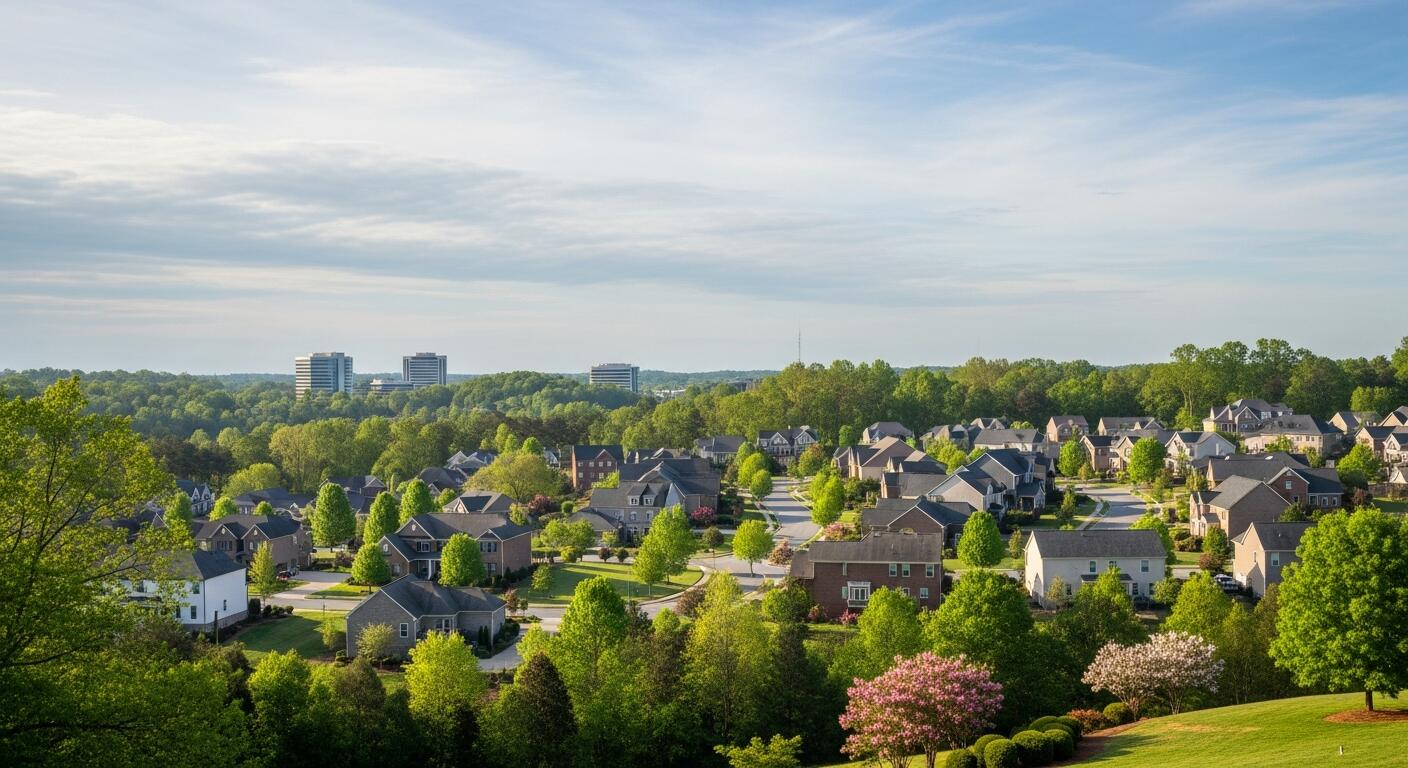
Dunwoody serves as a strategic northern hub in Atlanta’s trade show ecosystem, supporting coordinated exhibit programs that span flagship downtown venues and key suburban facilities across the metro’s four primary operating zones.
Atlanta’s Distributed Trade Show Landscape and Dunwoody’s Place Within It
The Atlanta market does not concentrate all activity in a single core but instead functions through four practical operating zones that reflect different attendee needs and event formats. Downtown Atlanta functions as the flagship convention zone led by a dense cluster of major facilities that generate the highest volume of exhibit and activation demand. This zone sets benchmarks for scale, sophistication, and national reach that influence planning decisions throughout the metro.
The remaining zones each serve complementary roles. Airport-adjacent venues emphasize convenience for fly-in participants through direct SkyTrain access. The Cumberland and Cobb submarket captures corporate and association programs that benefit from suburban accessibility and ample parking. Meanwhile, the Duluth and Gwinnett corridor addresses northeast demand for community events, regional associations, and specialized corporate gatherings. This distribution requires exhibitors to develop adaptive strategies rather than venue-specific tactics.
Dunwoody’s location within the northern metro area creates natural alignment with both downtown flagship events and northeast corridor opportunities. Companies planning from this base can coordinate programs that maintain brand cohesion while optimizing for the unique operational parameters of each zone. Such an integrated view prevents fragmented execution and supports cumulative impact across an annual calendar of shows.
Successful navigation depends on early mapping of potential venues against marketing goals, calendar alignment, and budget parameters. This foundational step allows subsequent decisions about design, materials, and support services to reinforce rather than conflict with one another.
Flagship Downtown Venues and Corresponding Exhibit Requirements
Downtown Atlanta’s concentration of premier facilities creates the market’s highest density of professional trade shows, product launches, and buyer engagements. The Georgia World Congress Center provides expansive indoor space capable of accommodating large-scale custom installations and complex multi-booth configurations. Its scale demands designs that maintain visual impact across long sight lines while complying with rigorous structural and safety standards.
Adjacent assets including Centennial Olympic Park extend opportunities for outdoor activations, experiential pavilions, and branded environments that complement indoor exhibits. These outdoor elements often require weather-resistant materials and modular components that transition smoothly between indoor and outdoor use. Meanwhile, AmericasMart Atlanta introduces a showroom-oriented environment with recurring seasonal markets focused on specific industry categories.
For exhibitors coordinating from Dunwoody, planning for these downtown venues begins with detailed review of floor plans, ceiling heights, and load-in schedules. Custom fabrication becomes particularly valuable here because it enables differentiation in competitive halls where standard rental options can blend into the background. The goal is to create memorable brand experiences that justify attendee travel from across regions.
Operational details such as graphic resolution suitable for large halls, lighting integration that enhances rather than competes with venue systems, and storage solutions for multi-day events receive focused attention during the planning phase.
Suburban and Airport Venues: Differentiated Planning Approaches
Atlanta’s suburban expo facilities fulfill essential roles by serving audiences and event types that function more effectively outside the downtown core. The Cobb Convention Center and Gas South Convention Center attract corporate training sessions, regional association meetings, and community-oriented programs that prioritize ease of access and lower congestion. These venues typically feature different ceiling heights, loading configurations, and audience flow patterns than their downtown counterparts.
Airport-proximate venues including the Georgia International Convention Center and Gateway Center Arena capitalize on direct connectivity to Hartsfield-Jackson Atlanta International Airport via the ATL SkyTrain. This infrastructure supports events where rapid arrival and departure matter, often resulting in tighter schedules and higher expectations for efficiency. Exhibit elements must therefore balance visual appeal with rapid deployment and dismantling capabilities.
Dunwoody’s northern position facilitates practical coordination with both northeast suburban venues and downtown facilities, creating opportunities for multi-venue campaigns within compressed timeframes. Planning accounts for these differences by specifying modular components that adapt to varied space constraints while preserving core brand architecture. This flexibility reduces costs and simplifies inventory management across the annual schedule.
Attention to district-level differentiation ensures that messaging, interactive elements, and hospitality features align with the specific professional communities that frequent each venue type.
Custom Fabrication Aligned with Atlanta Market Demand
Atlanta stand-builder preferences tilt toward custom fabrication that delivers distinctive exhibit formats capable of conveying brand nuance across diverse environments. Generic rental solutions often fail to provide the tailored presence required to stand out in flagship halls or to create meaningful connections in more intimate suburban settings. Custom work allows incorporation of specific materials, technology integration, and architectural details that reinforce marketing messages.
Design development begins with comprehensive analysis of target venues and audience expectations. For downtown flagship participation, this might involve double-deck structures, integrated digital experiences, or sculptural brand elements visible from multiple angles. In suburban or airport venues, the focus may shift toward portable yet premium components that maintain perceived value while accommodating tighter move-in windows.
The planning process incorporates repeated-use engineering so that major investments deliver value across several events and zones. Graphics systems, lighting schemes, and accessory elements receive the same scrutiny as primary structures, ensuring the entire booth package performs consistently whether deployed downtown or in a northeast suburban hall.
This fabrication-first orientation distinguishes professional Atlanta market participation from approaches that rely primarily on rental inventory. The resulting exhibits communicate quality and intentionality that resonate with sophisticated audiences across all four operating zones.
Turnkey Coordination for Smooth Multi-Venue Execution
Turnkey project management that spans Atlanta’s convention centers, market campuses, airport venues, and suburban expo facilities provides the most reliable path to consistent results. Rather than treating each event in isolation, comprehensive coordination creates unified strategies that leverage similarities while respecting important differences between locations. This approach prevents duplicated effort and maintains brand integrity throughout the market.
Planning encompasses initial concepting through final post-show evaluation, creating single-point accountability that simplifies decision-making for exhibitors. For those operating from Dunwoody, this model eliminates the complexity of managing separate vendors for design, production, logistics, and installation across geographically dispersed venues. Schedules align with the distinct requirements of each zone while preserving overall program coherence.
Operational details receive rigorous attention throughout. These include precise compliance with venue regulations, synchronized graphics production standards, hardware engineered for repeated installation, and contingency planning for unexpected schedule shifts. Such thoroughness separates high-performing programs from those that merely meet minimum requirements.
The ultimate objective is an exhibit presence that accumulates impact over time. Each event builds upon lessons from previous ones, creating a sophisticated Atlanta market strategy that maximizes return on investment across downtown, suburban, and airport environments.
District-Level Nuances and Operational Details in the Northern Metro
Atlanta’s northern districts, including Dunwoody alongside nearby communities, present audience and event characteristics that differ meaningfully from more central or southern areas. Corporate headquarters concentration and professional demographics in the north influence preferences for technology integration, consultative selling environments, and sophisticated design aesthetics. These nuances inform everything from color strategy to interactive feature selection.
When compared with downtown flagship events, northern suburban programs often allow for deeper One on One engagements and longer dwell times. This shift affects booth layout priorities, with more emphasis placed on consultation areas, digital demonstration stations, and hospitality zones that extend the brand experience. Planning incorporates these operational distinctions to avoid misaligned assumptions about attendee behavior.
Calendar considerations also vary by district. Peak periods for downtown conventions may differ from corporate meeting cycles in suburban corridors, requiring strategic scheduling that maximizes presence without resource conflicts. Transportation planning between Dunwoody and various venues receives similar scrutiny to ensure materials and teams arrive prepared for each environment’s specific demands.
By addressing these district-level factors, exhibit programs achieve greater relevance and effectiveness. The result is not simply attendance at trade shows but strategic market presence that aligns with the distinct business rhythms of Atlanta’s northern sector.
Building Long-Term Value Through Strategic Exhibit Planning
Atlanta market success depends on viewing individual events as components of a larger, integrated presence rather than standalone occurrences. This perspective guides decisions about investment levels, design longevity, and performance measurement. Companies coordinating from Dunwoody benefit when their planning connects downtown flagship participation with targeted suburban opportunities, creating broader regional influence.
Early engagement in strategy development allows sufficient time for research-driven concepts that address real venue parameters and audience expectations. Whether the program centers on one signature custom installation or a modular system deployed across multiple formats, the planning process ensures alignment with measurable business objectives. Fabrication quality and installation precision then transform those concepts into tangible experiences.
Continuous improvement cycles based on post-event analysis help refine approaches over time. Metrics might include lead quality, audience engagement duration, or brand recall among specific professional segments. These insights inform adjustments to both creative elements and operational tactics, steadily increasing program effectiveness across all Atlanta zones.
The combination of custom capability, zone-aware coordination, and attention to operational detail creates sustainable competitive advantage. Exhibitors who invest in this level of planning typically realize stronger outcomes than those who treat exhibits as simple show-floor necessities.
Questions
Frequently asked questions
Direct answers on timing, field leadership, and venue coordination for this Atlanta scope.
Why does Dunwoody matter within Atlanta’s trade show market?
Dunwoody functions as a strategic northern suburban location that supports efficient coordination between downtown flagship venues and northeast corridor facilities such as those in the Duluth and Gwinnett area. Its position enables balanced participation across the market’s four primary operating zones without favoring any single district.
What are the four operating zones that define Atlanta trade show demand?
Atlanta’s demand distributes across downtown Atlanta as the flagship convention zone, the airport and College Park corridor for fly-in convenience, the Cumberland and Cobb submarket, and the Duluth and Gwinnett corridor. Each zone captures different segments including corporate, association, community, and buyer-showroom events.
How should exhibitors approach custom versus rental solutions in this market?
Atlanta stand-builder demand leans toward custom fabrication that creates distinctive formats capable of performing across multiple venue types. While rental options provide flexibility for one-off events, custom solutions typically deliver superior brand differentiation and long-term value when participating in several shows annually.
Which venues anchor downtown Atlanta’s convention activity?
The Georgia World Congress Center, Centennial Olympic Park, and AmericasMart create the deepest concentration of exhibit and activation demand in downtown Atlanta. These facilities host large-scale professional events that set standards for scale, sophistication, and audience reach across the broader market.
What operational factors differentiate suburban venues from downtown facilities?
Suburban centers such as the Cobb Convention Center and Gas South Convention Center typically serve corporate, association, and community programs with different scale, attendee flow, and schedule patterns than downtown flagship venues. Planning must adapt booth design, logistics timing, and engagement tactics to each environment’s specific characteristics.
What does turnkey execution mean for Atlanta exhibitors?
Turnkey execution involves comprehensive planning and coordination that spans convention centers, airport venues, market campuses, and suburban expo facilities. This integrated approach ensures consistency, efficiency, and accountability across Atlanta’s distributed zones rather than treating each event in isolation.
Related links